


Top High End Fashion Brands: More of the World’s Leading Designers
Home » Luxury Fashion Guides »
Part 2 of our guide to the top high-end fashion brands builds on our Top 100 Luxury Fashion Brands guide, which explored internationally recognised designers such as Louis Vuitton, Saint Laurent and Alexander McQueen, alongside distinguished jewellery houses including Tiffany & Co. and Van Cleef & Arpels. This instalment broadens the selection to include more established luxury houses, contemporary designers and influential names across women’s fashion.
From red-carpet couture and avant-garde design to luxury accessories and Italian craftsmanship, this guide explores the designers shaping different facets of high-end fashion. Discover the distinctive aesthetics, design approaches and signature styles that set these brands apart, and revisit Part 1 of our luxury fashion brands guide for more leading names.
Top High End Fashion Brands: Established Luxury Houses and Timeless Design Icons
Explore more of the established luxury houses featured in our first instalment of the Top 100 Luxury Fashion Brands series.
From Dior and Chanel’s enduring influence on Parisian fashion to Burberry’s British heritage and Max Mara’s refined tailoring, these designers combine recognisable signatures with distinctive approaches to craftsmanship, construction and modern dressing.
Christian Dior
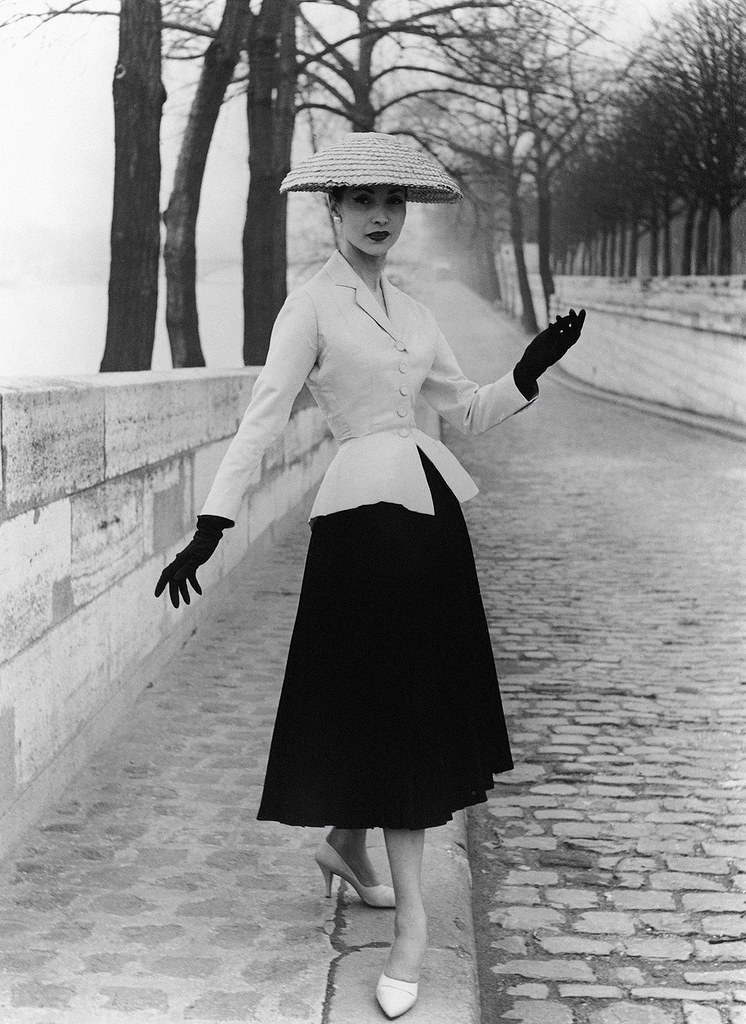
Renowned for redefining luxury fashion, Christian Dior introduced his iconic New Look in 1947. This style revolutionised women’s wear with a silhouette that emphasised femininity, opulence, and elegance. The New Look featured cinched waists, full skirts that flared dramatically below the knee, and soft-shouldered jackets. This created a striking contrast to the austere styles of wartime.
Dior drew upon his years of experience in art history. Therefore, his designs reflected a deep appreciation for classical proportions and intricate detailing. For the first time, women embraced the epitome of luxury through Dior’s gowns. The pieces were as much works of art as they were fashion statements. This bold reimagining of style made Dior synonymous with luxury. Today, Dior remains one of the top luxury goods companies with a diverse range of luxury items. Notable offerings include the Lady Dior handbag, famously named in honour of Princess Diana, and perfumes like Miss Dior that remain enduring favourite in the luxury market.

Chanel
Chanel has long been synonymous with timeless sophistication, setting a benchmark for luxury fashion. The brand embodies timeless sophistication and sets the standard for luxury fashion. In 1926, Coco Chanel introduced the little black dress, inspired by mourning attire and her belief in practical elegance. Icons like Audrey Hepburn and Grace Kelly wore it, making it a staple amongst socialites and the middle class due to its versatility and accessibility.
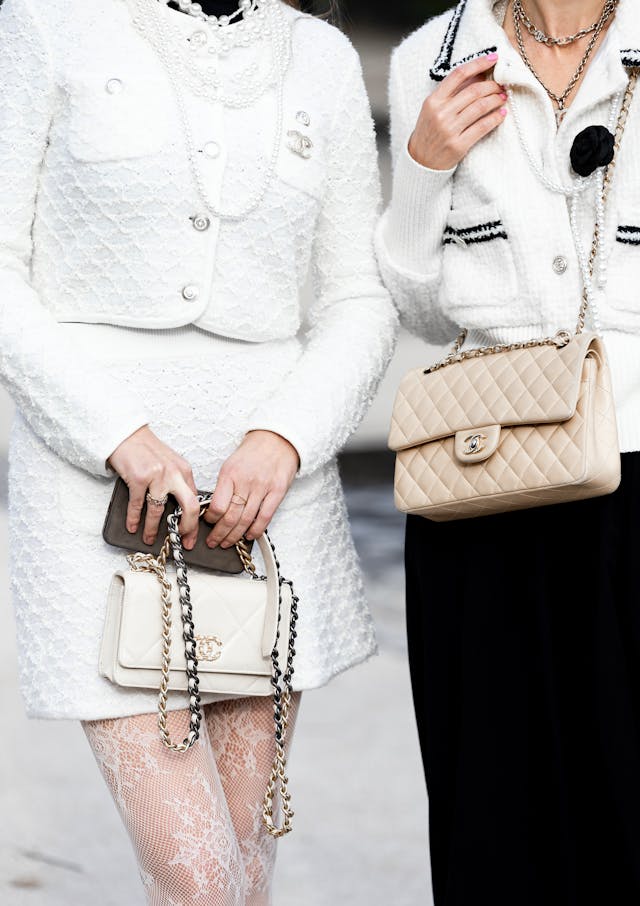
Chanel launched its iconic tweed suits in the 1920s, using Scottish tweed to craft modern, refined designs. Today, the luxury brand remains a luxury favourite, known for its infamous Chanel No. 5 perfume and Timeless Classic Collection of quilted handbags. The Classic Flap Bag that features Chanel’s signature diamond stitching, chain straps, and iconic CC turn-lock closure.
Gucci
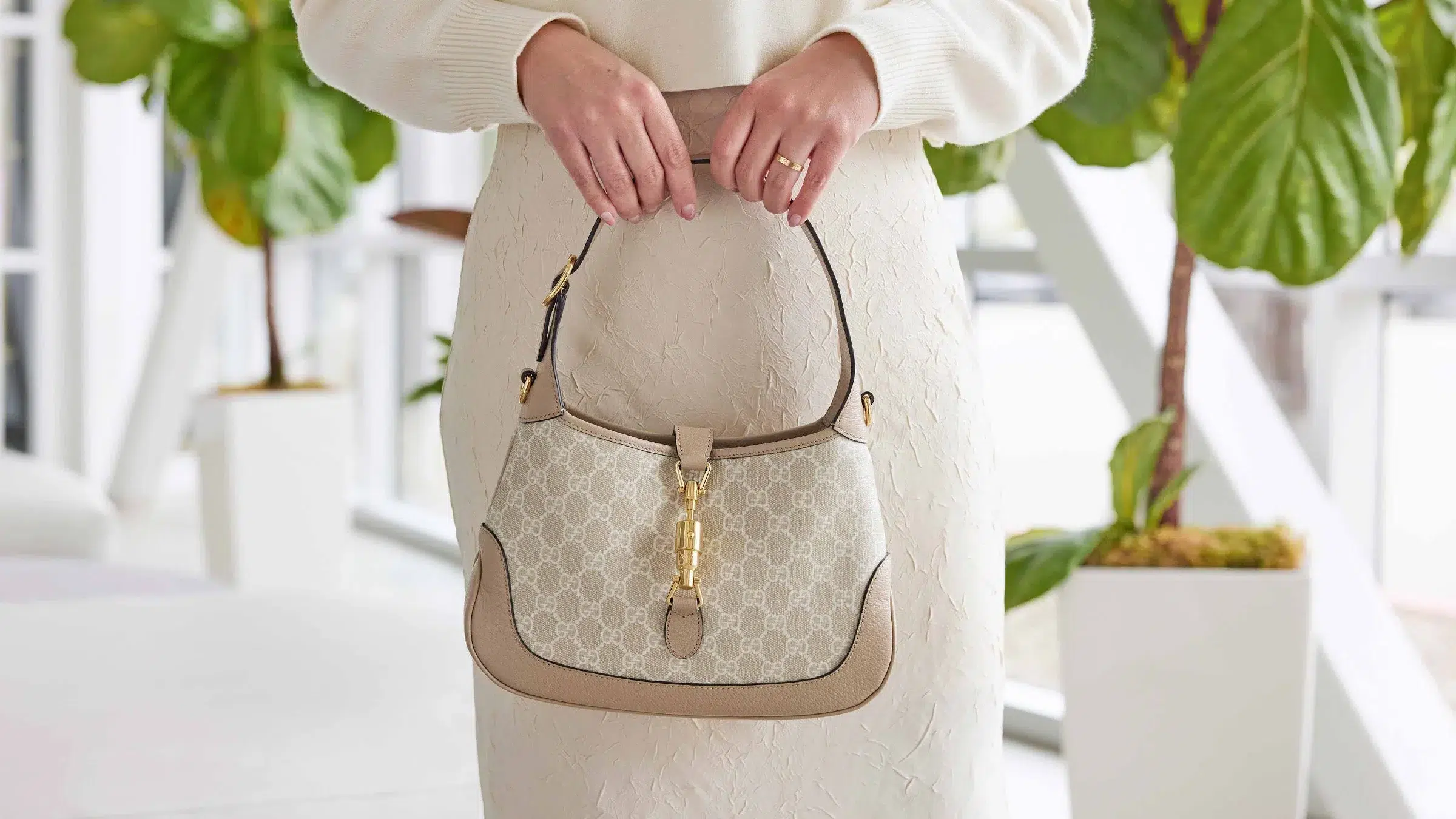
Guccio Gucci founded Gucci in Florence in 1921 as a family-owned business specialising in fine leather goods. Inspired by his time working in London’s luxury hotels, Guccio fused English sophistication with Italian craftsmanship.
Early collections, like the bamboo-handled bag launched in 1947, showcased innovation during wartime shortages and set the tone for the brand’s creative adaptability. By the 1950s, the brand gained global recognition, thanks to its GG monogram featured on handbags, belts and clothing. Their fame as one of the top high end fashion brands further propelled due to Hollywood icons like Grace Kelly and Elizabeth Taylor.
In the 1970s, Gucci further cemented its status as a luxury powerhouse with bold designs that captured the decade’s glamour. Alessandro Michele’s creative direction in 2015 reinvented Gucci for a new generation. He blended maximalist aesthetics with the brand’s rich heritage, as seen in collections like the 2018 Cyborg runway show.
Burberry
Thomas Burberry established Burberry in 1856. The brand started out as a small outfitter specialising in outdoor attire. In 1879, Thomas revolutionised outerwear with gabardine, a weatherproof yet breathable fabric that redefined functional luxury. By the early 20th century, Burberry’s trench coat launched, designed for military officers during World War I. The Burberry trench coat became an enduring symbol of British craftsmanship and innovation.
The signature Burberry check was introduced as a coat lining in the 1920s. It grew into a global icon of sophistication by the mid-century. Major public figures solidified the brand’s reputation. Examples include Audrey Hepburn in Breakfast at Tiffany’s and Ernest Shackleton on polar expeditions.
In recent years, creative directors like Riccardo Tisci have modernised Burberry, blending its heritage with contemporary designs and digital innovation. Today, Burberry remains a cornerstone of British style, combining tradition with forward-thinking fashion in every collection.
Carolina Herrera
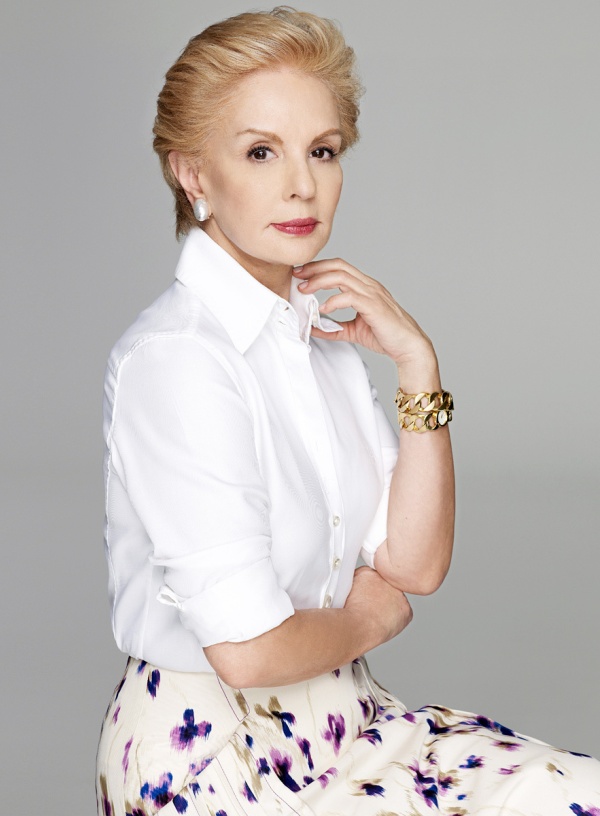
Venezuelan-born designer Carolina Herrera launched her sophisticated namesake label in 1981. Her grandmother introduced a young Herrera to Paris fashion shows, sparking a love for haute couture. She also married Reinaldo Herrera, a Venezuelan aristocrat and Vanity Fair editor.
Herrera’s impeccable personal style captured the fashion world’s attention. Her debut collection in New York introduced clean lines and graceful silhouettes, establishing her as a leader in American luxury fashion.
Herrera’s signature white shirt exemplifies her philosophy of understated luxury. Meticulously tailored and crafted from premium fabrics, it transforms a wardrobe essential into a symbol of refinement. Beyond this, her designs balance structure with femininity, featuring bold colours, intricate detailing, and a timeless allure.
Herrera is known for dressing icons like Jacqueline Kennedy Onassis and Michelle Obama. Her creations celebrate elegance and sophistication, ensuring her legacy as a designer of enduring global influence.
Max Mara
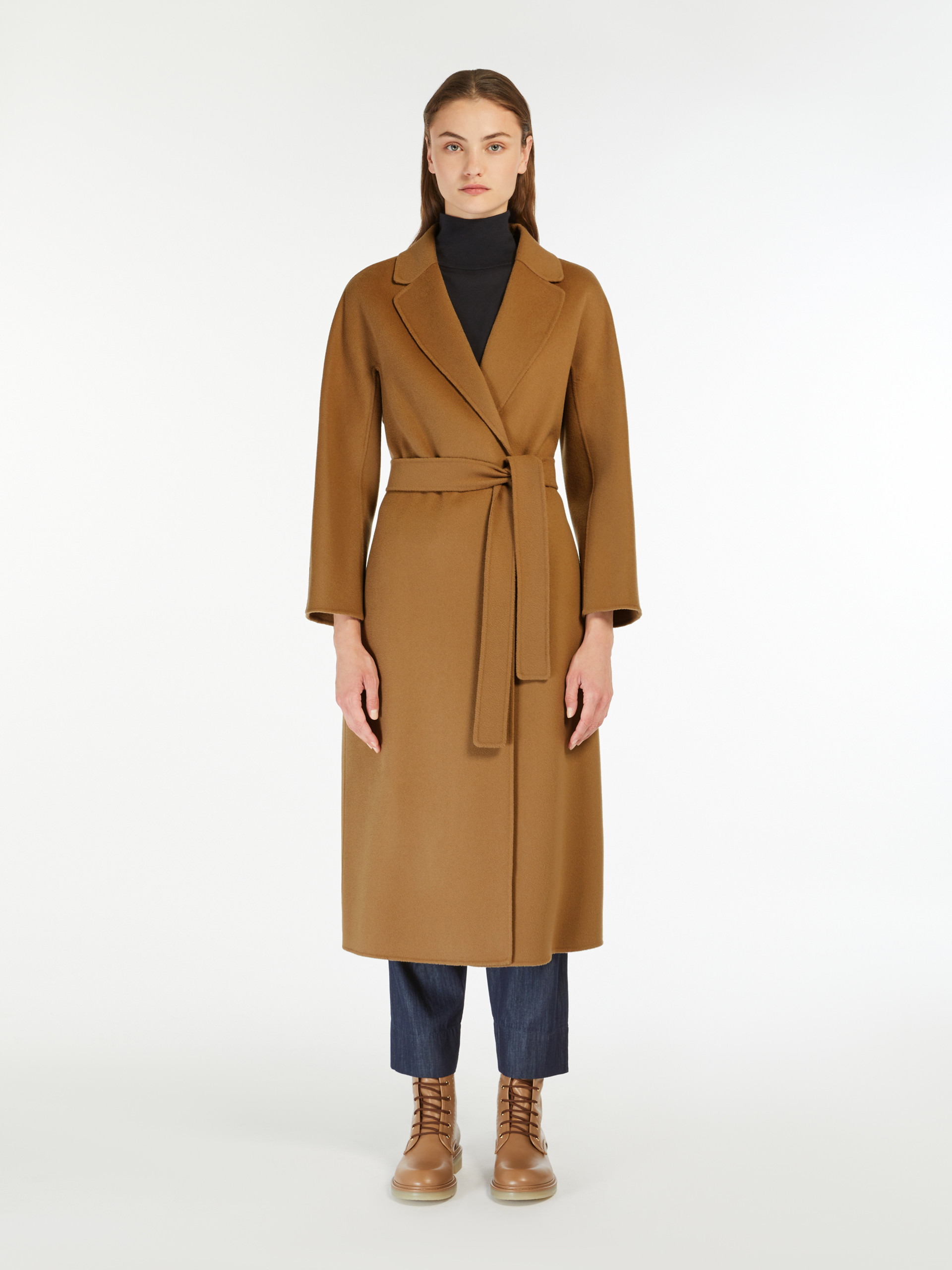
Achille Maramotti founded Max Mara in 1951, setting a new standard for Italian fashion with minimalist, luxurious designs. The brand rose to prominence in the 1980s with its coat designs.
Max Mara craft their coats from camel hair sourced from Asia and blended with fine wool. These pieces stand out for their softness, warmth, and fluid, unstructured silhouettes. They blend elegance with comfort in outerwear, which has solidified Max Mara’s leadership in luxury outerwear.
Max Mara emphasises Italian craftsmanship in their place within top high end fashion brands. They utilise premium materials like cashmere and virgin wool to create versatile, sophisticated pieces.
The brand consistently delivers clean-lined designs that balance innovation with timeless appeal. With ready-to-wear collections and accessories that cater to discerning women, Max Mara remains a cornerstone of modern luxury fashion.
Contemporary Designers Redefining Luxury Fashion
These contemporary designers bring distinct perspectives to modern luxury, from sculptural silhouettes and considered tailoring to experimental construction and new approaches to materials.
Explore the brands shaping today’s designer landscape, each offering a different interpretation of individuality, innovation and the evolving expectations of luxury fashion.
Gabriela Hearst

Founded in 2015, Gabriela Hearst has quickly become a standout name in sustainable luxury, merging eco-conscious practices with timeless design.
Hearst draws inspiration for traditional craftsmanship practices like hand-knitting and crochet work from her Uruguayan background and growing up on her family ranch.
From here, emphasis on natural materials and responsible practices shaped her vision. Her collections feature luxurious fabrics like organic cotton, recycled cashmere, and deadstock materials, sourced and crafted with sustainability at the forefront.
The brand’s minimalist aesthetic pairs refined tailoring with artisanal techniques like hand-stitching and intricate weaving to produce heirloom-quality pieces. Her pieces showcase impeccable craftsmanship in everything from structured blazers to flowing silk dresses.
Notable pieces include her iconic Nina Bag, celebrated for its sculptural design and eco-friendly production. Hearst’s dedication to environmental responsibility extends beyond her collections. She became the first designer to present a carbon-neutral runway show in 2019.
Coperni
Sébastien Meyer and Arnaud Vaillant founded Coperni in 2013. They built their brand’s reputation on bold innovation and sleek, futuristic aesthetics. The duo named the brand after Nicolaus Copernicus, symbolically reflecting his work’s innovation through the brand’s avant-garde approach to fashion.
Known for blending technology with high-end design, Coperni employs technical fabrics and experimental materials. Examples include Coperni’s use of stretch neoprene for body-contouring garments, which provides both structure and flexibility.
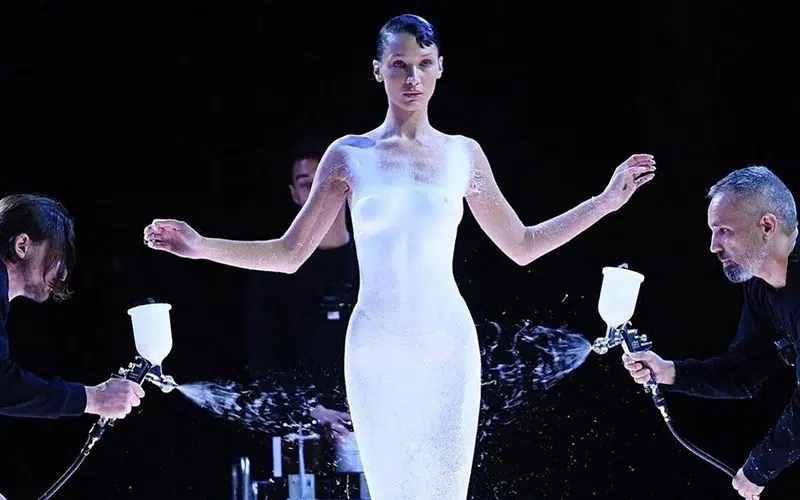
Moreover, Coperni used Fabrican on supermodel Bella Hadid during their Spring/Summer 2023 show. This liquid polymer spray transformed into a wearable fabric in the viral spray-on dress created live on the runway. Therefore, these materials embody the brand’s commitment to pushing the boundaries of traditional fabric use.
Their collections feature sharp, sculptural tailoring and minimalist silhouettes, often incorporating unexpected elements like 3D-printed accessories. Standout pieces include the Swipe Bag, inspired by smartphone icons. Their avant-garde dresses blend form and function. By combining meticulous craftsmanship with technological experimentation, Coperni has positioned itself as a trailblazer in modern luxury.
Victoria Beckham
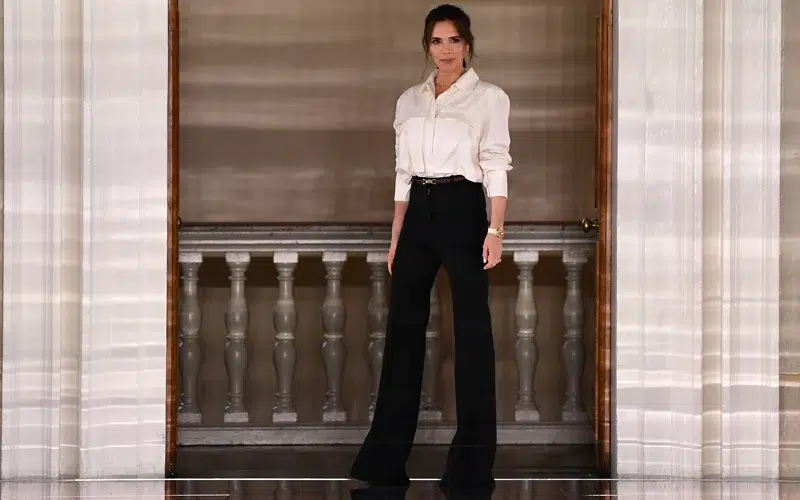
Victoria Beckham launched her eponymous brand in 2008. Beckham cultivated her brand inspiration since her years in the spotlight as a global entertainment icon from her Spice Girls girl-group era.
Her brand approaches modern sophistication through a minimalist lens. Rooted in clean lines and polished silhouettes, the brand delivers elevated essentials that resonate with a discerning clientele.
Beckham clearly draws inspiration from her personal style, focusing on wearable luxury that seamlessly blends elegance with practicality. This ethos reflects the modest yet sophisticated business-casual ensembles she consistently displays in her public appearances over the years.
The collections emphasise premium fabrics like fine wool, silk, and cashmere. Attention to detail and precise tailoring define Victoria Beckham’s sartorial approach. Her creations are structured yet fluid, and exude quiet confidence. Known for impeccably cut dresses, tailored separates, and versatile accessories, the brand balances timeless design with a contemporary edge.
Khaite
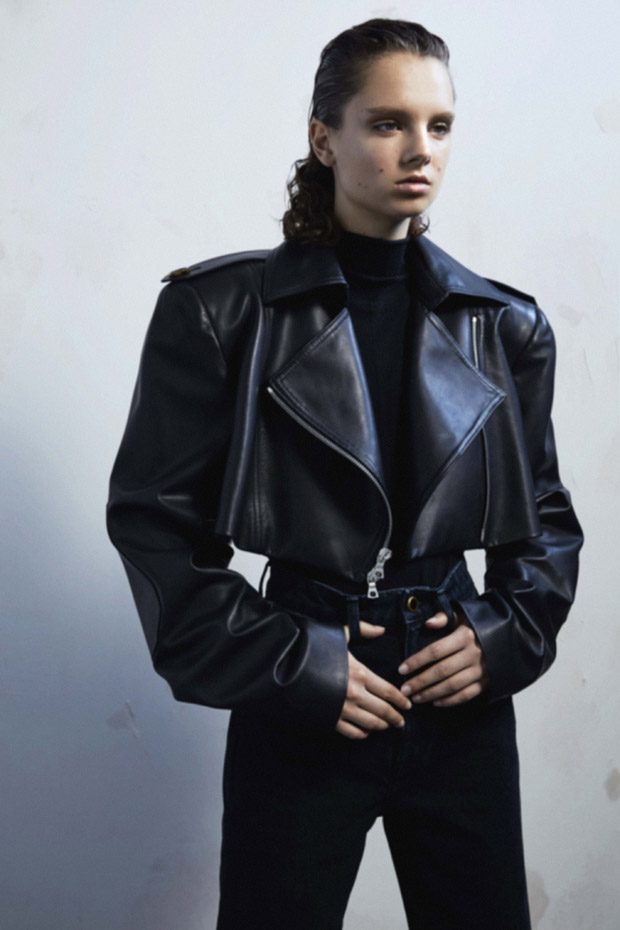
Catherine Holstein carved a distinctive niche in modern luxury fashion upon founding Khaite in 2016. The luxury brand blends minimalist aesthetics with thoughtful craftsmanship, offering a fresh take on timeless silhouettes. Notably, Khaite is celebrated for their expertly tailored outerwear, structured handbags, and signature knitwear.
From the outset, Khaite prioritised quality and innovation, using luxurious fabrics like cashmere, fine wool, and supple leather. Holstein’s vision draws inspiration from classic Americana, reinterpreted with an understated, contemporary sensibility.
Khaite’s breakthrough came in 2019 when Katie Holmes went viral wearing its iconic cashmere bralette and cardigan. This moment spotlighted the brand’s blend of effortless comfort and high-fashion appeal.
Stella McCartney
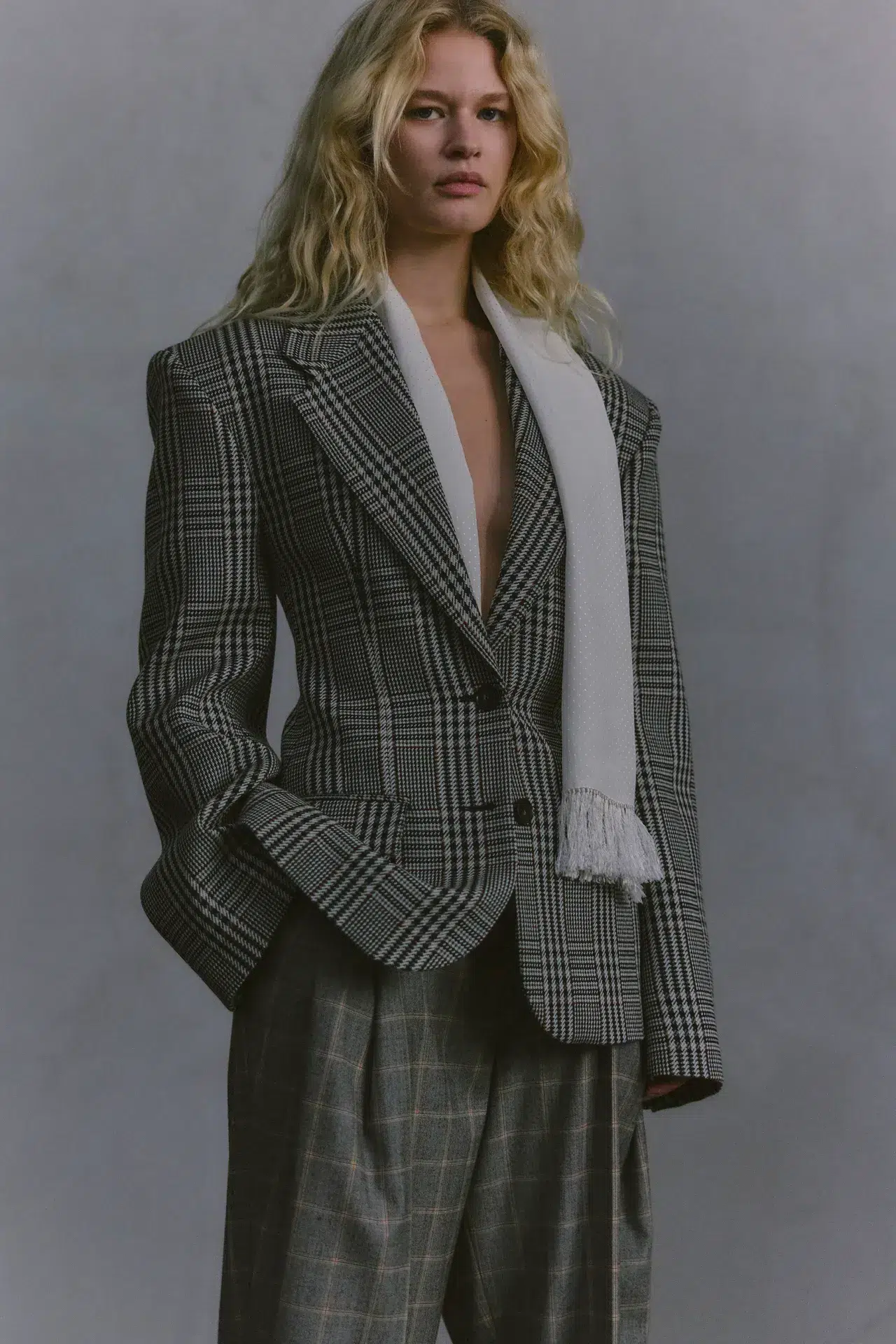
Stella McCartney has redefined luxury fashion by championing sustainability and ethical practices since her 2001 brand launch.
McCartney has remained steadfast in her commitment to animal-friendly materials, crafting sophisticated designs without leather or fur. Her collections blend effortless elegance with innovation, setting a new standard for conscious fashion.
Notably, McCartney stands out for her pioneering use of alternatives like vegan leather and regenerated fibres, elevating them to luxury status.
Collaborations such as her partnership with Estée Lauder, further showcase her ability to merge ethics with high-end appeal. Her work has made her a leader in the movement for sustainability in fashion, proving that responsibility and refinement can coexist.
Proenza Schouler
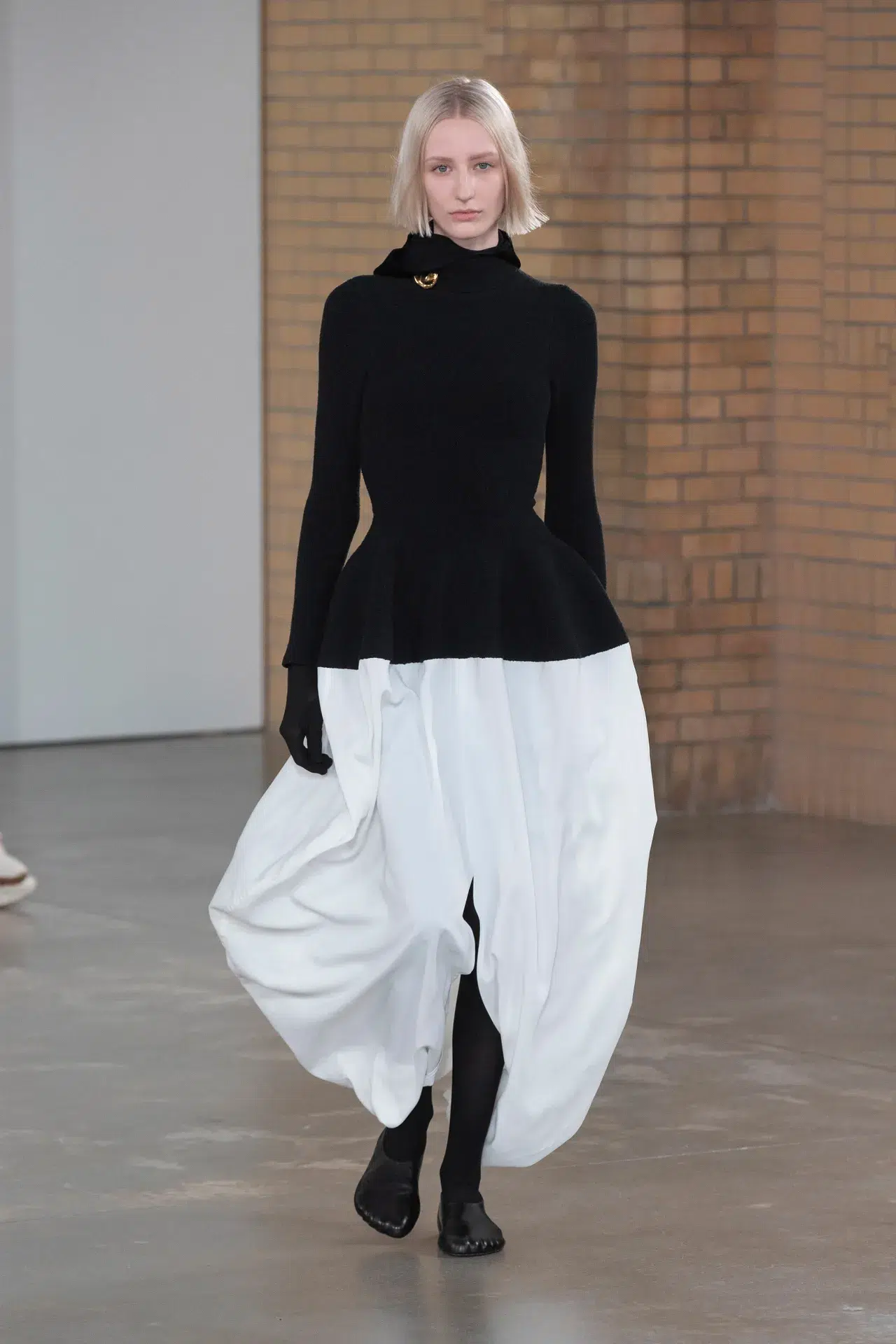
Proenza Schouler, launched in 2002 by Jack McCollough and Lazaro Hernandez, has redefined modern luxury from its base in New York City. Firstly, the duo met at Parsons School of Design. There, they named their senior thesis collection after their mothers’ maiden names, which caught the eye of Barneys New York. This launchpad set the stage for their rise in the fashion industry.
The brand focuses on progressive designs that merge artistry with practicality. Proenza Schouler became known for its bold use of materials, meticulous tailoring, and innovative approach to silhouettes. Moreover, iconic handbags like the PS1 satchel, introduced in 2008, challenged traditional luxury handbag styles with its utilitarian yet refined design.
Proenza Schouler draws subtle inspiration from names like Cristóbal Balenciaga while shaping a distinctly American aesthetic. It combines superior quality with experimental techniques, evident in collections that often feature structured leather jackets, vibrant colours, and innovative fabric treatments.
The brand’s runway shows, staples of New York Fashion Week since its inception, consistently capture attention for their avant-garde yet wearable clothing.
Thom Browne
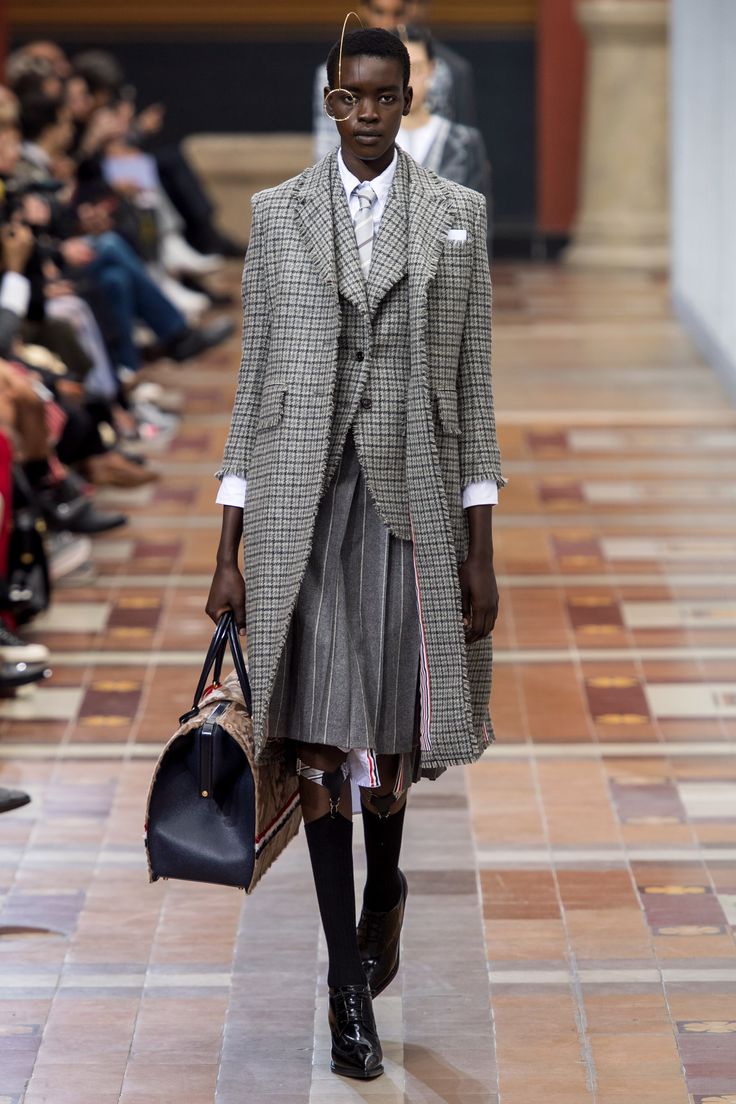
Thom Browne launched in 2003, redefining style in women’s top high end fashion brands with its sharp tailoring and unconventional proportions.
Originally known for menswear, the brand launched its women’s collection in 2011. Their pieces showcase structured dresses, cropped blazers, and trench coats that merge masculine sharpness with feminine elegance.
Interestingly, Browne’s designs draw inspiration from mid-century Americana. Therefore, they emphasise impeccable craftsmanship and superior quality through fabrics like tweed and seersucker.
Moreover, Browne’s runway shows are renowned for their theatricality and innovation. They often deconstruct traditional silhouettes to create modern, statement-making pieces. His commitment to reimagining classic tailoring has made Thom Browne’s inventive take on classic tailoring establishes him as a leader in modern luxury fashion for women.
Red-Carpet Glamour and Luxury Occasionwear Designers
From voluminous gowns and intricate embellishment to sculptural silhouettes and refined eveningwear, these designers bring a distinctive perspective to formal dressing.
Explore the luxury fashion houses and designers known for statement-making occasionwear, bridal design and memorable looks for high-profile events.
Giambattista Valli
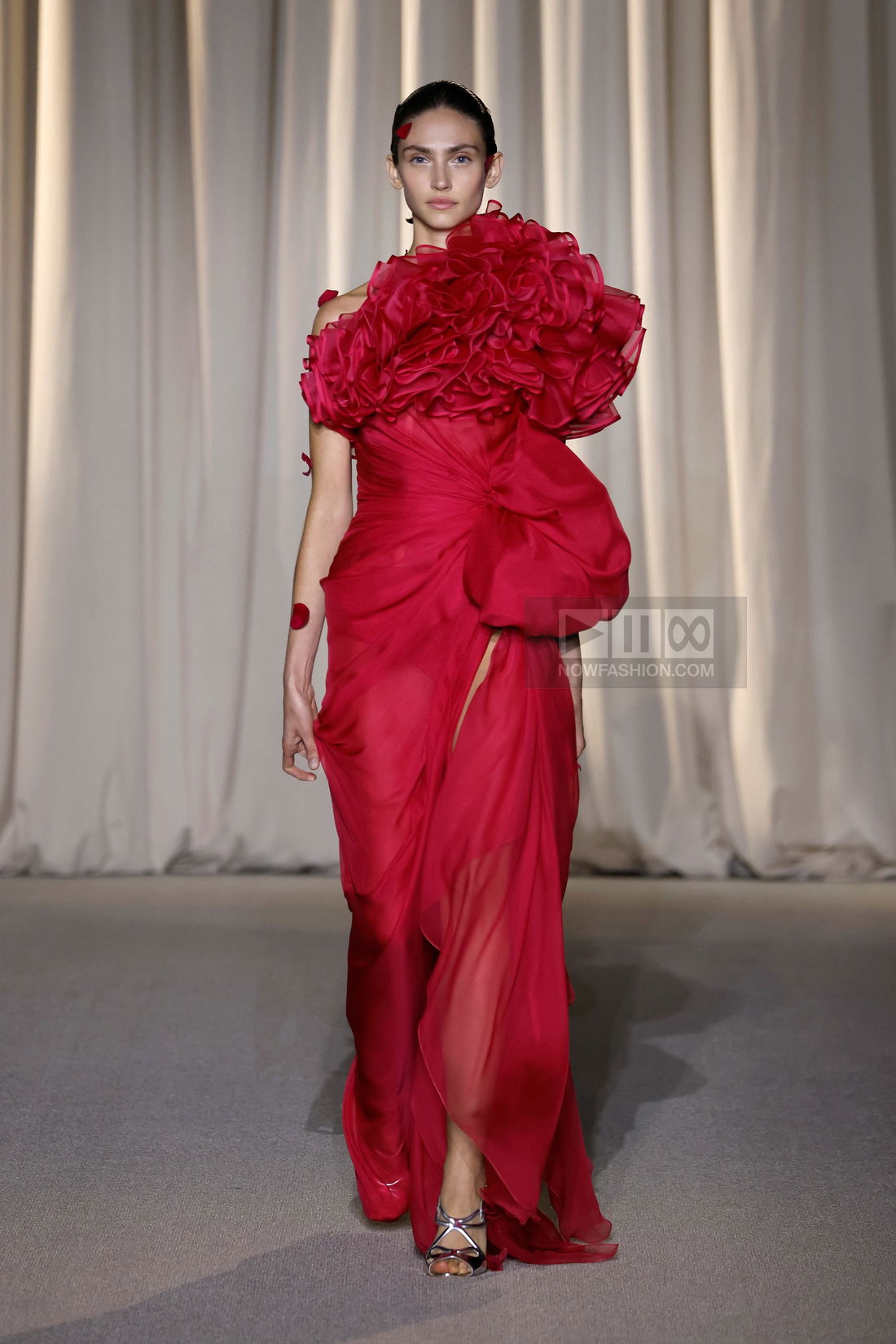
Giambattista Valli is an Italian-born designer from Rome. He launched his eponymous brand in 2005 after training at renowned fashion houses like Fendi and Emanuel Ungaro.
Drawing upon Italy’s rich tradition of couture, Valli’s pieces fuse classic elegance with avant-garde touches. Specifically, his designs are known for their dramatic silhouettes, intricate detailing, and luxurious fabrics like silk, taffeta, and organza. Thus, these have become signature elements of the brand.
Notably, Valli’s rise to prominence came from his ability to blend theatricality with wearability. His creations, including voluminous skirts, sculptural gowns, and meticulously crafted evening dresses, have earned a place on red carpets worldwide.
By dressing high-profile figures, he carved a unique space for himself within Italy’s competitive couture scene. Today, Giambattista Valli represents a modern, refined luxury that blends Italian tailoring with feminine, romantic design.
Lanvin
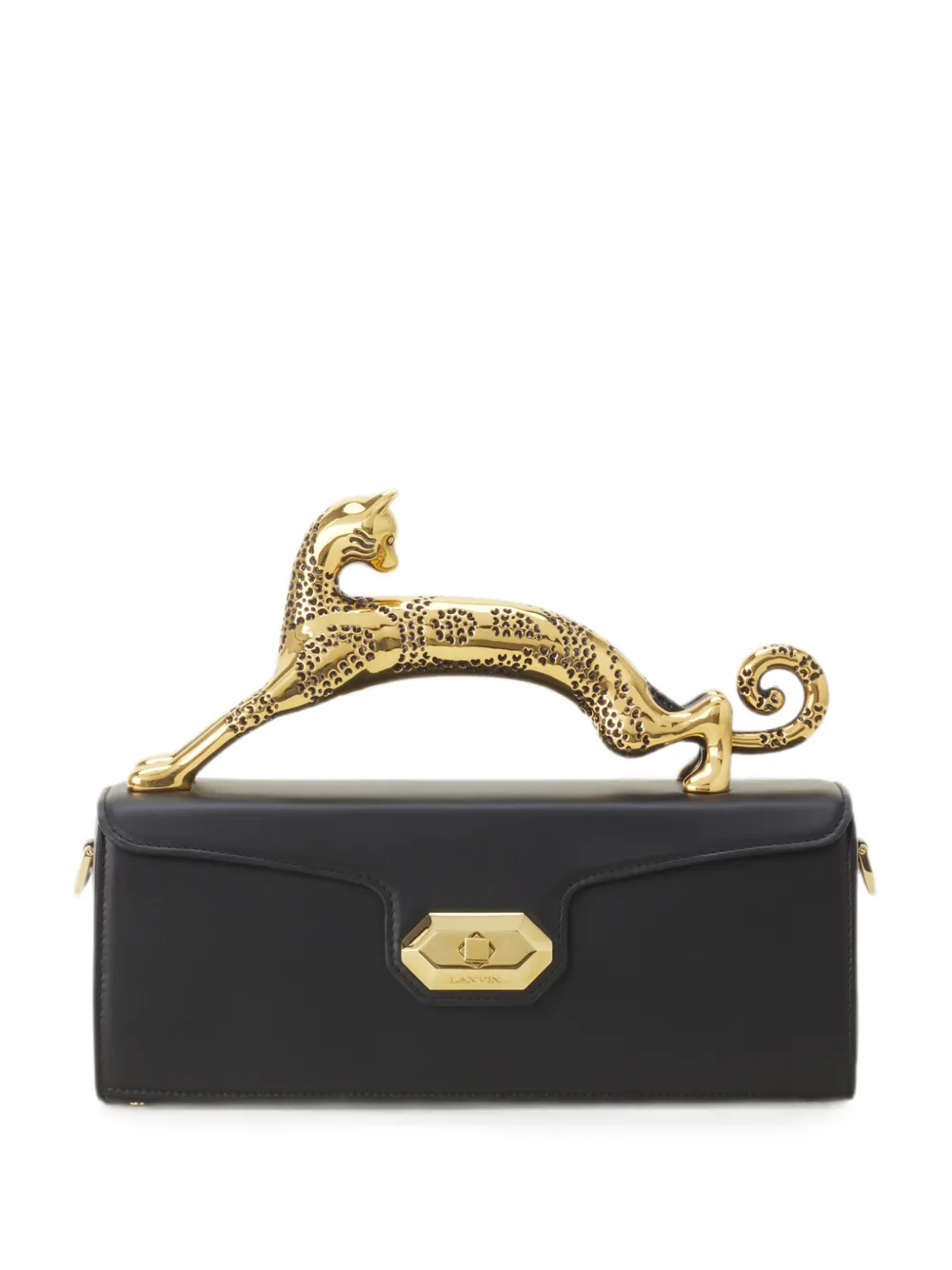
Lanvin is one of the oldest and most iconic French fashion houses, founded in 1889 in Paris. Initially, the luxury brand began as a millinery shop. However, they quickly gained attention for Jeanne Lanvin’s visionary approach to women’s clothing.
Inspired by her daughter Marguerite, Jeanne designed elegant, youthful garments that emphasised fluidity, sophistication, and exceptional craftsmanship. Her use of luxurious fabrics like silk, velvet, and fine wool set a new standard for haute couture.
Specifically, the brand gained fame for its innovative “robes de style”. This represented a departure from the restrictive silhouettes of the early 20th century. These dresses featured voluminous skirts paired with fitted bodices. Such details showcased Lanvin’s meticulous tailoring and romantic aesthetic.
Over time, Lanvin expanded into menswear, accessories, and fragrances. Yet, the brand maintained its reputation for blending timeless style with contemporary elegance as a global luxury leader.
Marchesa
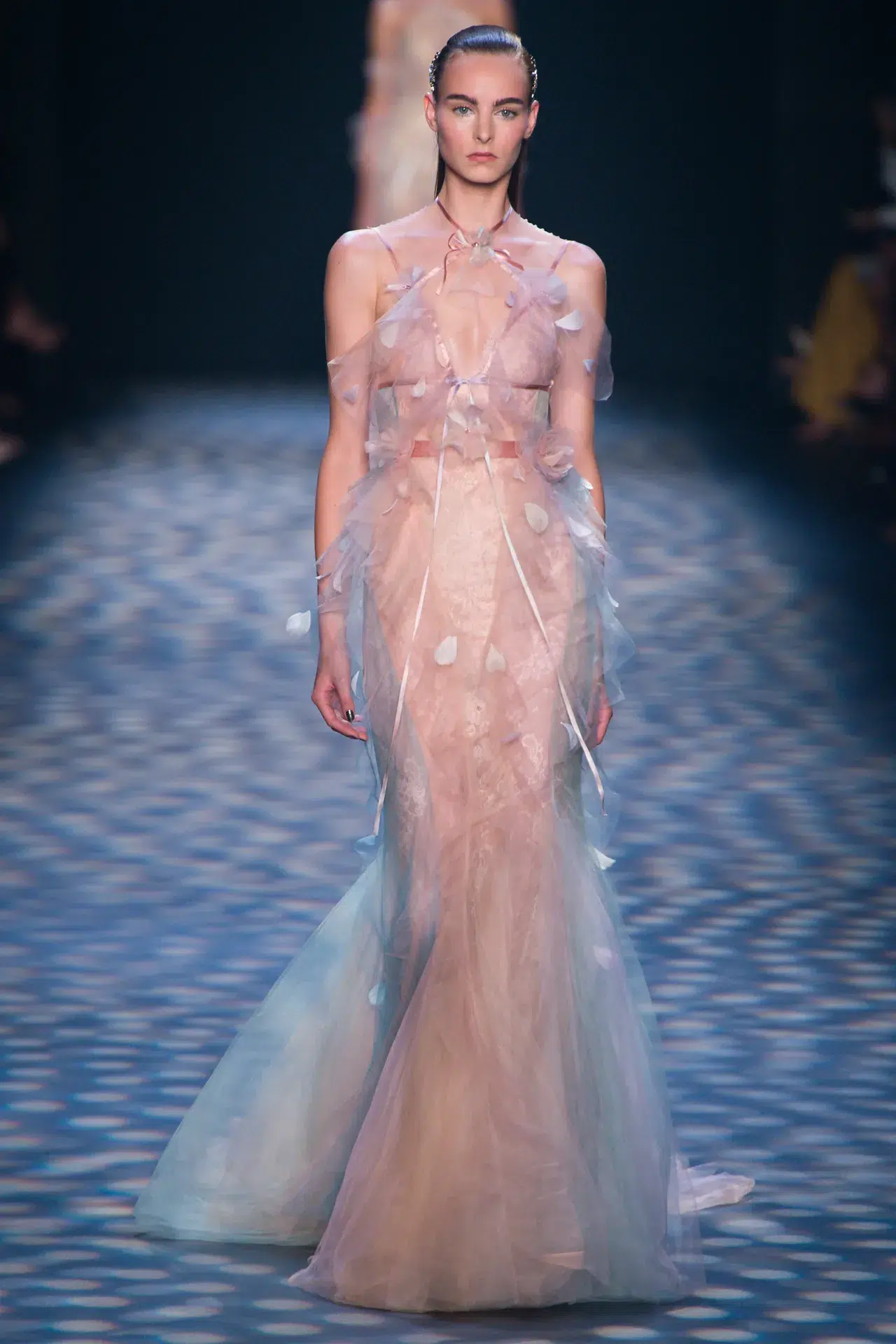
Georgina Chapman and Keren Craig founded Marchesa in New York City in 2004. The brand quickly became synonymous with red-carpet glamour.
It takes its name from Marchesa Luisa Casati, a flamboyant Italian heiress whose extravagant style inspires its opulent aesthetic. Meanwhile, Chapman’s background in costume design and Craig’s expertise in textiles laid the foundation for Marchesa’s reputation for exceptional craftsmanship and attention to detail.
Marchesa’s beading and hand-applied embroidery stand out for their intricate, couture-level precision. They often incorporate custom motifs and three-dimensional floral details that elevate each piece to wearable art.
Moreover, its couture gowns, often featuring luxurious fabrics like silk tulle, satin, and organza, are characterised by dramatic silhouettes and ethereal embellishments. They have become a staple on Hollywood’s most prestigious red carpets.
The brand’s bridal collection has also gained acclaim, offering romantic designs that blend artistry with timeless sophistication. Marchesa’s ability to merge fantasy with wearable elegance has secured its place among the most celebrated names in luxury fashion.
Vera Wang
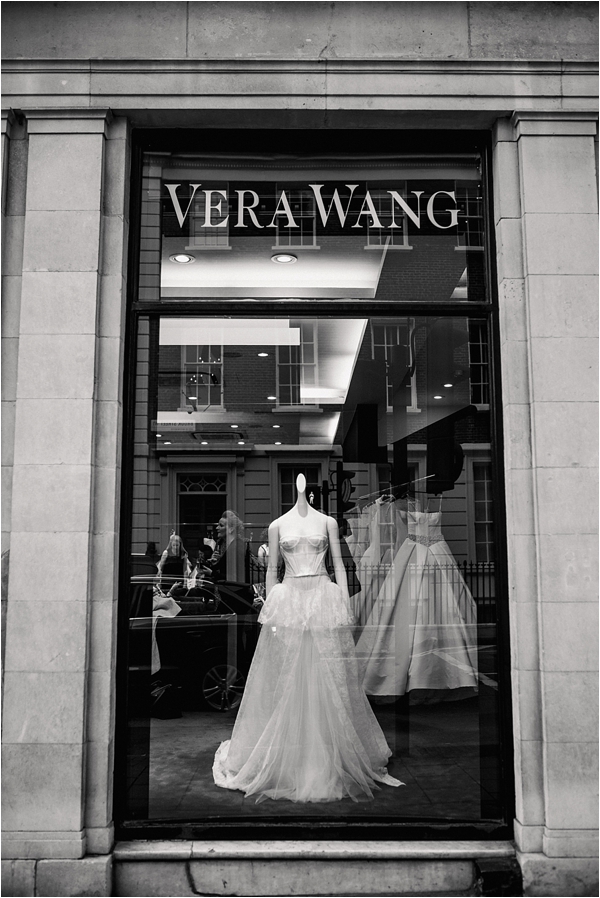
Vera Wang launched her namesake label in New York City in 1990. Undeniably, she is renowned for revolutionising the bridal fashion landscape as one of the most prominent top high end fashion brands.
As a former figure skater and Vogue editor, Wang brought a unique perspective to the industry. Her transition into design was inspired by the lack of sophisticated and contemporary options in bridalwear when planning her own wedding.
Her debut collection introduced sleek, modern silhouettes that contrasted with the overly traditional styles dominating the market. Using luxurious fabrics such as silk satin, tulle, and organza, Wang emphasised impeccable craftsmanship. Her pieces displayed intricate draping and hand-sewn embellishments, setting a new standard for bridal elegance.
Ultimately, Wang’s innovative approach to bridalwear redefined the genre. She introduced elements like asymmetry, bold architectural shapes, and unexpected colours such as blush, nude, and black. This fresh take resonated with modern brides seeking individuality and sophistication.
Over time, her creations became synonymous with luxury and high-profile weddings, from Hollywood stars to royalty. Thus, Wang’s ability to continually blend modern trends with timeless craftsmanship has cemented her as the leading authority in bridal fashion. She has since expanded her influence into eveningwear, ready-to-wear, and lifestyle branding.
Avant-Garde Fashion Visionaries
These influential designers challenge conventional ideas of beauty, proportion and construction through distinctive silhouettes, experimental techniques and unconventional references.
From Vivienne Westwood’s subversive British style to Maison Margiela’s deconstructive approach, each has helped expand the possibilities of fashion beyond traditional notions of luxury.
Vivienne Westwood
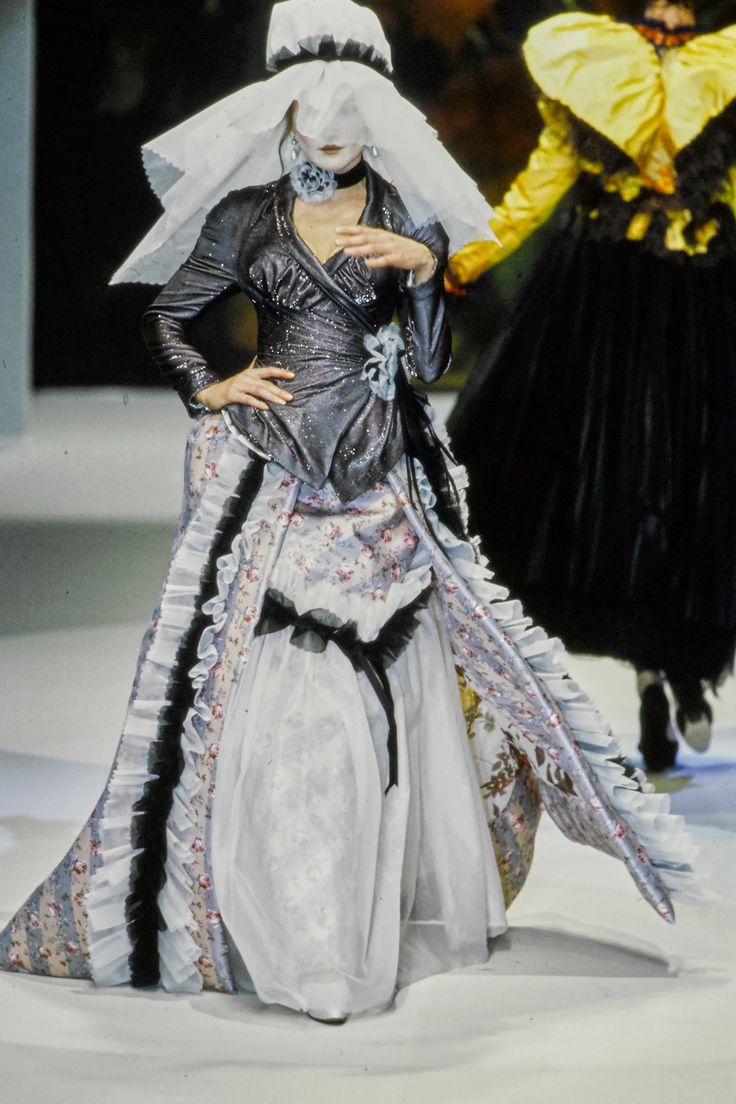
Designer Vivienne Westwood’s impact on fashion began in the 1970s. It was at this time she emerged as a defining voice of the punk movement in London. Born in England and initially trained as a teacher, Westwood channeled her rebellious ethos into clothing that challenged social norms.
Her designs were characterised by tartan fabrics, safety pins, straps, and provocative slogans. These features captured the anarchist energy of the era, and helped solidify the punk aesthetic as a cultural phenomenon.
Westwood’s evolution into high fashion came with her ability to merge subversive elements with couture techniques. Her collections often feature impeccably tailored pieces, corsetry-inspired silhouettes, and historical references. Furthermore, they reflected her deep understanding of art, history, and craftsmanship. Her draped dresses, elevated platforms, and iconic “pirate” boots remain key staples in her legacy.
Beyond design, Westwood has championed sustainability and activism. Notably, she has used her platform to address climate change and social justice. Thus, her enduring influence bridges streetwear and haute couture, cementing her as one of the most innovative figures in luxury fashion.
Jean-Paul Gaultier
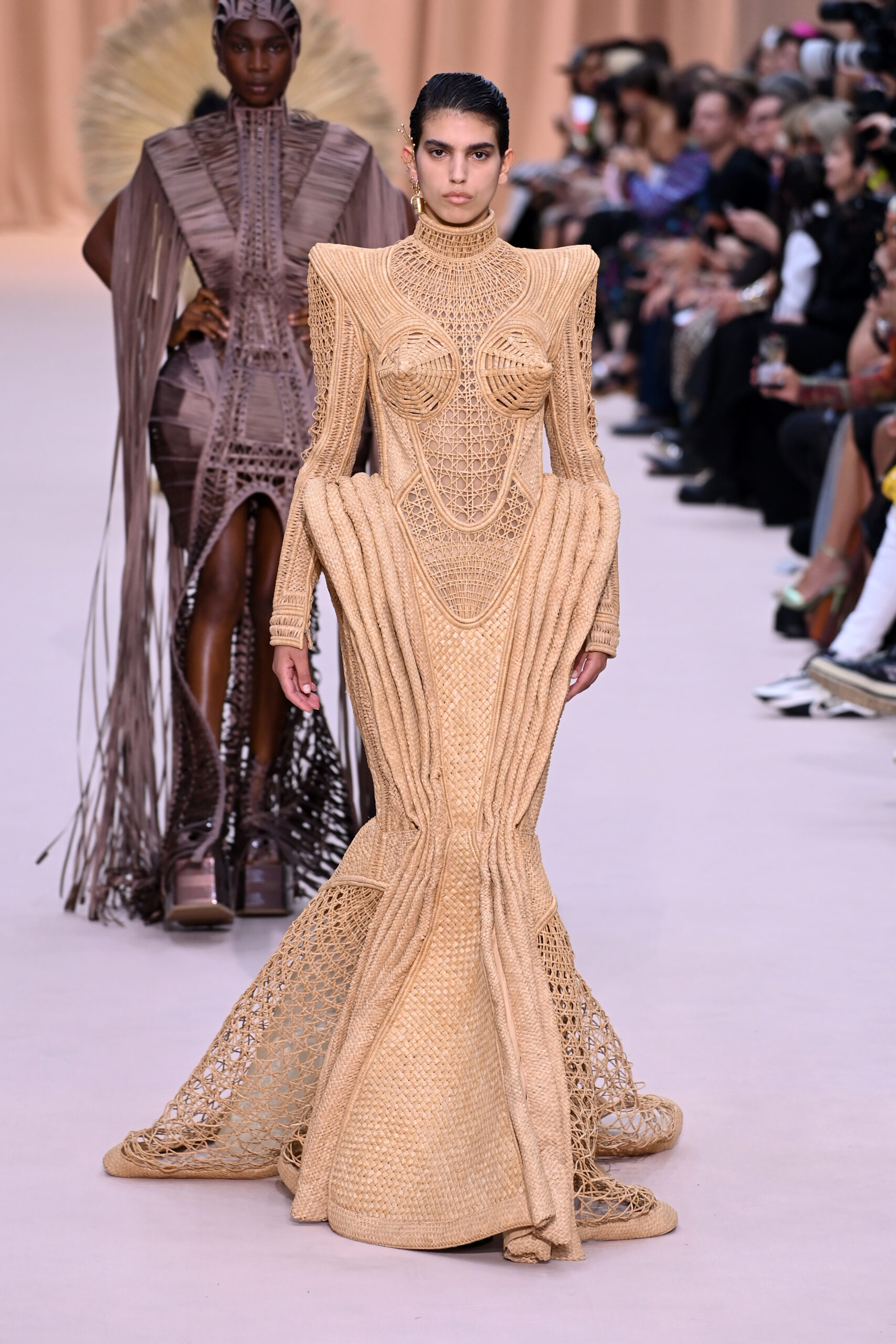
Jean Paul Gaultier redefined luxury fashion with his daring, unconventional designs that consistently challenge norms. Born in France, he began his career under Pierre Cardin before launching his eponymous label in 1976.
Known as the “enfant terrible” of fashion, Gaultier’s work merges impeccable craftsmanship with avant-garde vision. His collections often juxtapose traditional tailoring with provocative elements, such as corsetry, sailor stripes, and boundary-blurring androgynous styles. The iconic cone bras designed for Madonna’s Blond Ambition tour exemplify his ability to turn garments into cultural statements.
Beyond fashion, Gaultier’s influence extends to fragrances. His Classique and Le Male lines are iconic in the perfume industry. His haute couture collections push creative boundaries that rightfully carve a position as one of the top high end fashion brands. Meanwhile, they also preserve meticulous hand-craftsmanship, blending theatrical flair with artisanal excellence.
Gaultier’s work embodies a unique fusion of rebellion and sophistication, securing his place as a trailblazer in luxury fashion.
Maison Margiela
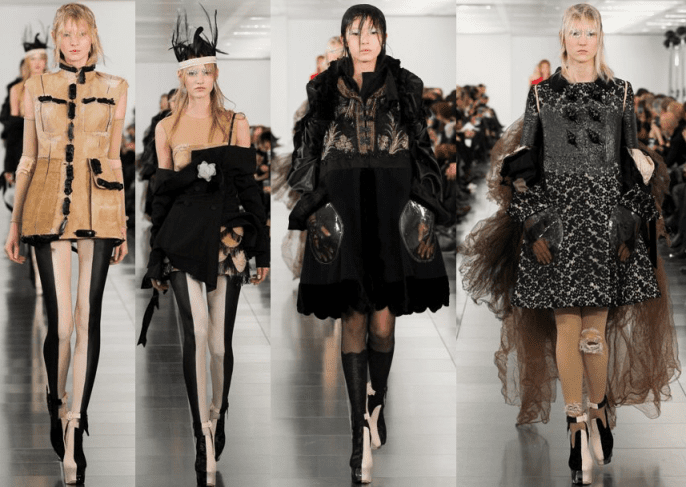
Belgian designer Martin Margiela founded Maison Margiela in 1988. The brand quickly became a pioneer in avant-garde luxury fashion. Margiela’s debut challenged conventions with radical deconstruction techniques, such as exposed seams, unfinished edges, and repurposed fabrics.
These innovations transformed flaws into features, redefining notions of craftsmanship. Margiela released the iconic Tabi boot in 1988 in his inaugural collection inspired by traditional Japanese footwear. Fast-forward, the Tabi boot remains a hallmark of the brand, recognised for its distinctive split-toe design.
Today, under John Galliano’s creative direction, Maison Margiela preserves its enigmatic identity whilst continuing to innovate. Galliano’s experimental silhouettes and inventive material applications push the boundaries of couture and ready-to-wear. The house’s commitment to subverting norms and embracing conceptual design has earned it a devoted cult following among fashion insiders.
Beyond fashion, the brand’s Replica fragrance range has garnered significant acclaim. Each fragrance offers evocative scents inspired by specific memories, from “Jazz Club” to “Lazy Sunday Morning.” This line has broadened Margiela’s global influence, making its mark not only in couture but also as a leader in luxury fragrances.
Azzedine Alaïa
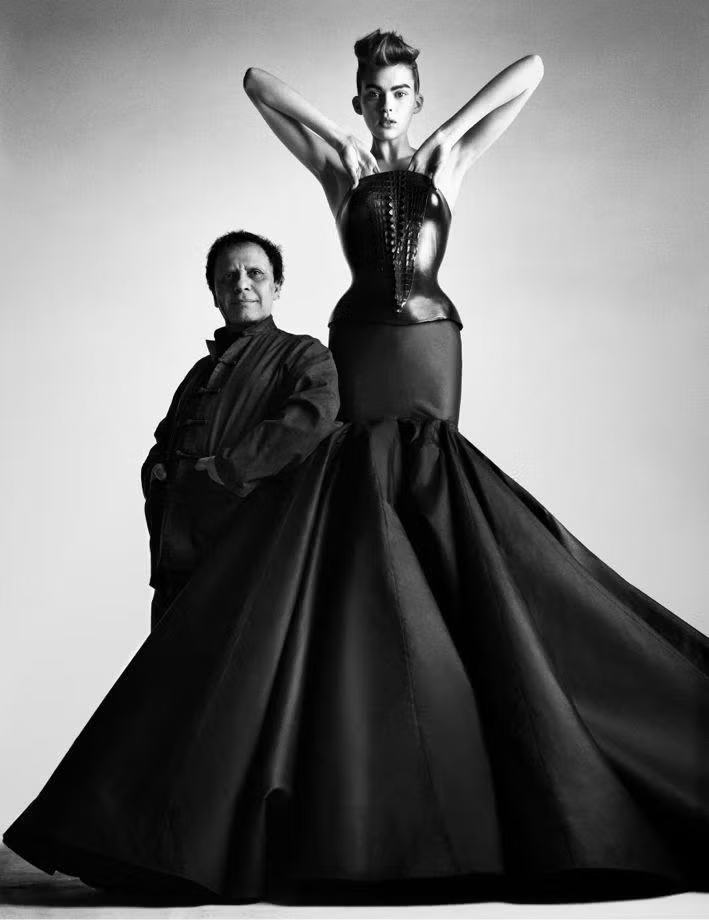
Iconic designer Azzedine Alaïa, born in Tunisia and later based in Paris, brought a sculptor’s precision to the world of fashion. Alaïa was trained in sculpture at the École des Beaux-Arts in Tunis. His early artistic foundation deeply influenced his approach to design, treating each garment as a work of art.
The designer’s mastery of couture techniques allowed him to create body-conforming silhouettes. These redefined the relationship between fabric and the female form. In particular, Alaïa’s use of stretch fabrics, meticulously cut leather, and hand-finished details showcased an obsessive attention to fit and structure. Hence, his creations are second skin to the wearer.
Moreover, his iconic laser-cut bags and knit dresses are symbols of innovation and timeless style. Notably, Alaïa also stood apart for his rejection of the traditional fashion calendar. He chose to present collections only when they were perfect: a rarity in the fast-paced luxury industry. His atelier-like approach fostered personal connections with his clients. Notable names include Naomi Campbell and Grace Jones.
Accessories Icons and Modern Wardrobe Icons
From statement footwear and finely crafted leather goods to relaxed Parisian dressing and distinctive accessories, these designers bring individual character to the modern wardrobe.
Discover the signature pieces and design sensibilities that have made their brands influential across luxury accessories and contemporary fashion.
Jimmy Choo
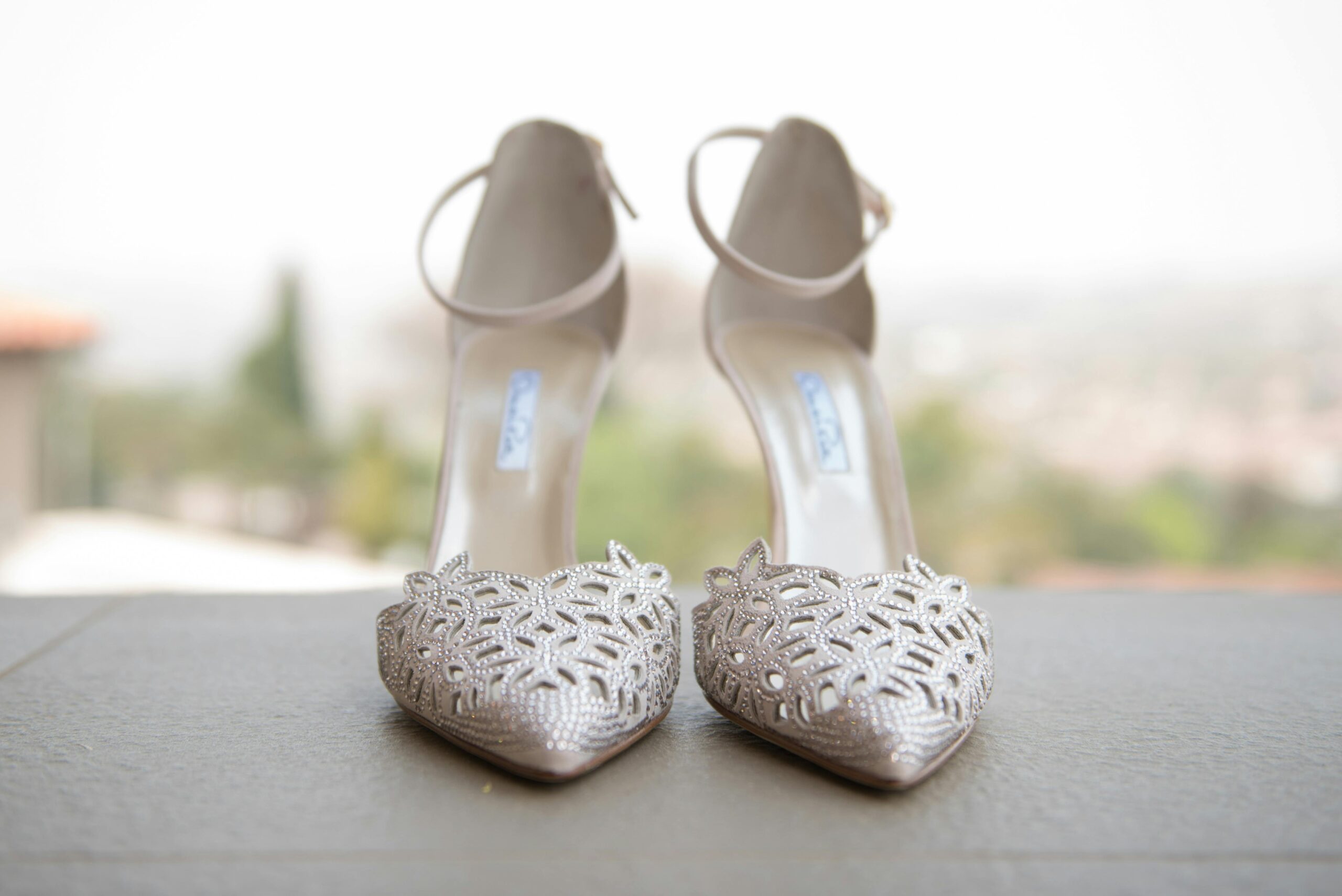
The eponymous designer Jimmy Choo and British Vogue accessories editor Tamara Mellon founded Jimmy Choo in 1996. Jimmy Choo quickly became a symbol of high-end luxury footwear within top high end fashion brands.
Choo, initially a cobbler in London, gained recognition for his handcrafted shoes. They are made from fine materials, such as Italian leather, exotic skins, and sumptuous satin. His craftsmanship was marked by a perfect balance of opulence and comfort. This quickly attracted a loyal following of celebrities and fashion-forward clients.
Overall, Jimmy Choo’s rise to fame came in part from his ability to create iconic heels that felt as luxurious as they looked. The brand’s famous “slingbacks” and “strappy sandals” became a staple for red carpet events, with their sophisticated yet bold designs. Choo’s shoes often incorporate intricate details such as hand-stitched embellishments, luxurious crystal accents, and silk embroidery.
Over the years, the brand expanded into handbags, bridal shoes, and accessories, maintaining its commitment to superior quality. Perpetually, Jimmy Choo’s bridal collections are renowned for their timeless elegance and refined craftsmanship. Their pieces have made the brand a go-to for brides worldwide.
Loewe

Enrique Loewe Roessberg founded Loewe in 1846. Initially, Loewe began as a small workshop in Madrid specialising in leather goods. They quickly became known for its exceptional craftsmanship.
By the early 20th century, the brand had established a reputation for producing luxurious handbags, luggage, and accessories, attracting royalty and aristocrats. At first, Loewe’s early success was rooted in its meticulous attention to detail. Artisans used the finest leathers sourced from Spain, and techniques handed down through generations.
The brand truly rose to prominence during the 1960s. The Loewe family acquired the brand, helping to elevate it to international status. The bags’ craftsmanship, particularly in leather, has been a defining feature.
Loewe incorporates unique processes like “Sewing on the Edge”, a technique where the edges of leather are stitched without overlapping. This creates a clean, smooth finish that enhances the bag’s structure and durability.
Then, Jonathan Anderson joined Loewe as creative director in 2013. Anderson’s design philosophy infused traditional craftsmanship with a fresh, youthful energy. For example, the Puzzle Bag, launched in 2015, became a defining moment. Customers celebrated the bag for its innovative, sculptural form, in addition to its ability to merge functionality with high fashion.
Isabel Marant
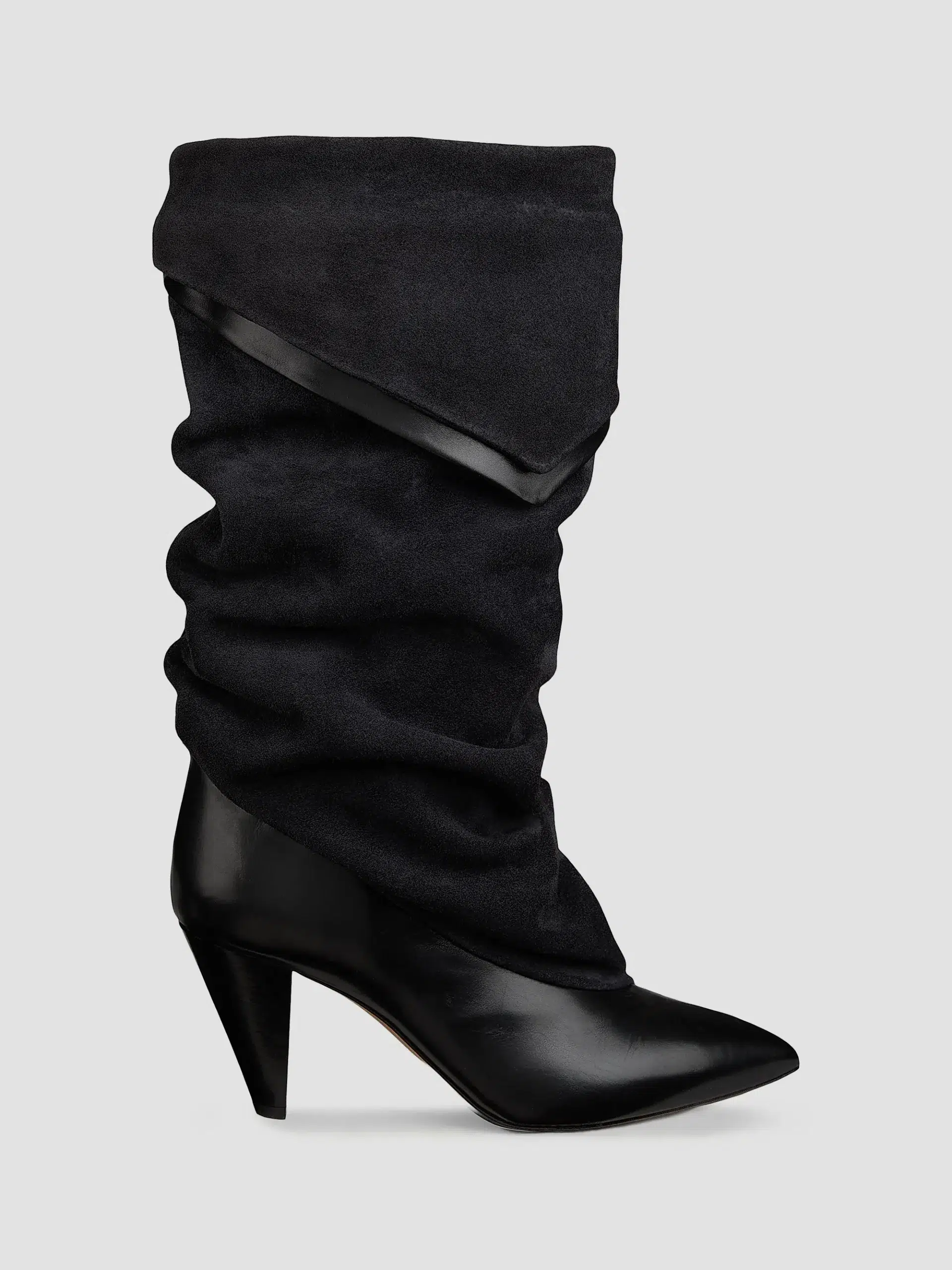
Designer Isabel Marant founded her label in 1994. It quickly became one of France’s beloved top high end fashion brands, synonymous with laid-back luxury and off-duty style.
Isabel Marant earns their place among the top 100 luxury fashion brands for their unique ability to merge Parisian sophistication with global bohemian influences. Marant began her career designing jewelry and knitwear before launching her full ready-to-wear collection. Her use of natural fabrics like linen, wool, and suede highlights her commitment to comfort and quality.
Isabel Marant rose to fame in the 2010s largely because her designs captured the perfect blend of casual elegance and trend-setting appeal. Marant’s effortlessly chic pieces resonated with modern women who sought both style and comfort.
For example, her Dicker Boots, released in 2011, embodied the cool, casual aesthetic of the 2010s. Marant’s designs focus on effortless wearability. Specifically, her pieces are known for soft tailoring, such as relaxed silhouettes that balance comfort and polish.
Additionally, Marant incorporates subtle embellishments like intricate stitching and delicate embroidery. She imbues her collections with authentic, handmade quality artisanal details such as Indian embroidery, Mexican weaving, and African beadwork.
Marc Jacobs
Designer Marc Jacobs has left an indelible mark on contemporary fashion with his ability to redefine the intersection of streetwear and luxury. He launched his eponymous label in 1984.
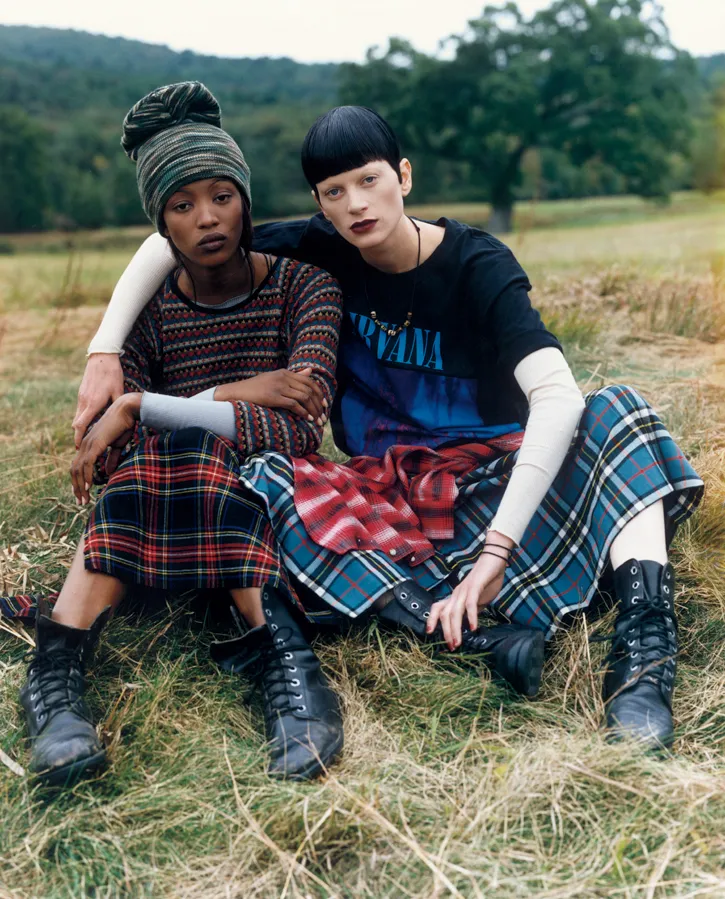
Though, his career-defining moment came in the early 1990s. Jacobs launched his grunge-inspired collection at Perry Ellis. This was a move that shocked the establishment because it defied the prevailing norms of high fashion at the time.
The fashion world was dominated by opulence, polished aesthetics, and structured designs that reflected a sense of glamour and traditional luxury. Meanwhile, Jacobs challenged these conventions with his choice to feature plaid flannel shirts, slip dresses, and combat boots. These were elements traditionally associated with the working class, thrift culture, and the burgeoning grunge music scene.
Therefore, Jacobs redefined what fashion could be, making it less about unattainable glamour and more about authenticity, and the rawness of youth culture. He ultimately set a precedent for integrating streetwear and cultural movements into luxury fashion.
Furthermore, his accessories have become modern icons, particularly the Snapshot bag and the Daisy fragrance line. Jacobs is renowned for his meticulousness and knack for blending rebellious energy with timeless appeal. Hence, Marc Jacobs continues to set trends while pushing the boundaries of what defines luxury fashion.
Italian Fashion Houses: Craftsmanship and Contemporary Glamour
Italian fashion combines a rich tradition of craftsmanship with a diverse approach to design, from precise leatherwork and considered tailoring to expressive prints and contemporary silhouettes.
Explore five distinctive Italian fashion labels, each offering its own interpretation of luxury, whether through Ferragamo’s leather goods and footwear, Missoni’s signature knitwear or Miu Miu’s playful take on modern dressing.
Philosophy di Alberta Ferretti
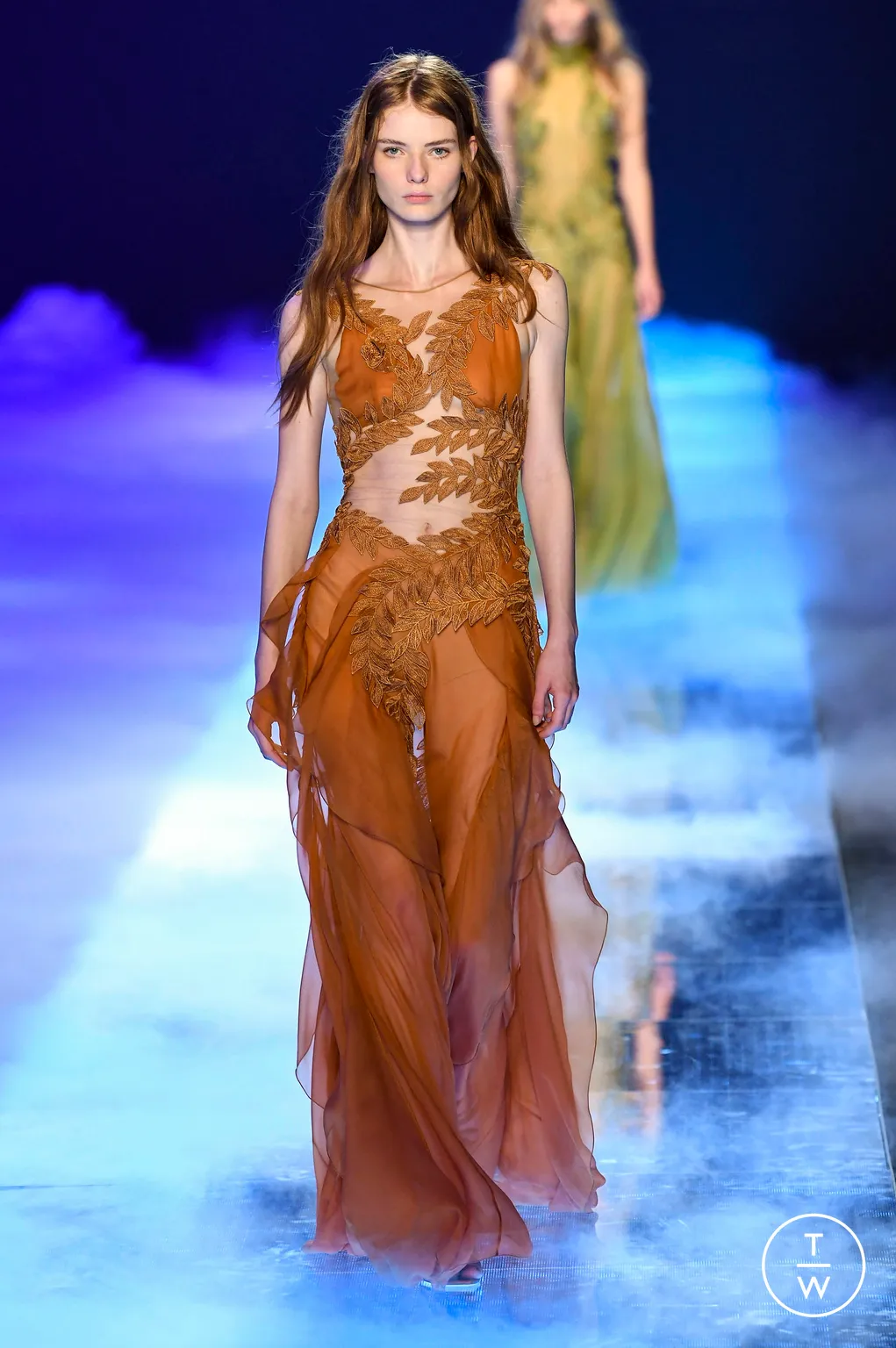
Philosophy di Alberta Ferretti launched in 1984 as a diffusion line of the Alberta Ferretti brand. The brand quickly distinguished itself with its romantic yet contemporary aesthetic.
Alberta Ferretti’s signature focus on femininity shines through in Philosophy’s delicate fabrics, flowing silhouettes, and intricate embellishments. She drew inspiration from Renaissance art, Italian craftsmanship, and modern femininity to create designs that feel timeless yet relevant.
Particularly, the brand became renowned for its ethereal gowns. They are often crafted from chiffon, lace, and silk, with subtle draping and hand-finished detailing. Philosophy’s focus on soft pastel palettes and floral motifs further set it apart, appealing to women seeking understated elegance.
During the 2000s, the line gained traction for its ability to bridge the gap between couture craftsmanship and ready-to-wear accessibility. This made the brand a favourite amongst celebrities and fashion insiders.
Ferretti’s meticulous attention to detail, coupled with her commitment to high-quality production in Italy, cemented Philosophy’s place as one of the top high end fashion brands.
Roberto Cavalli
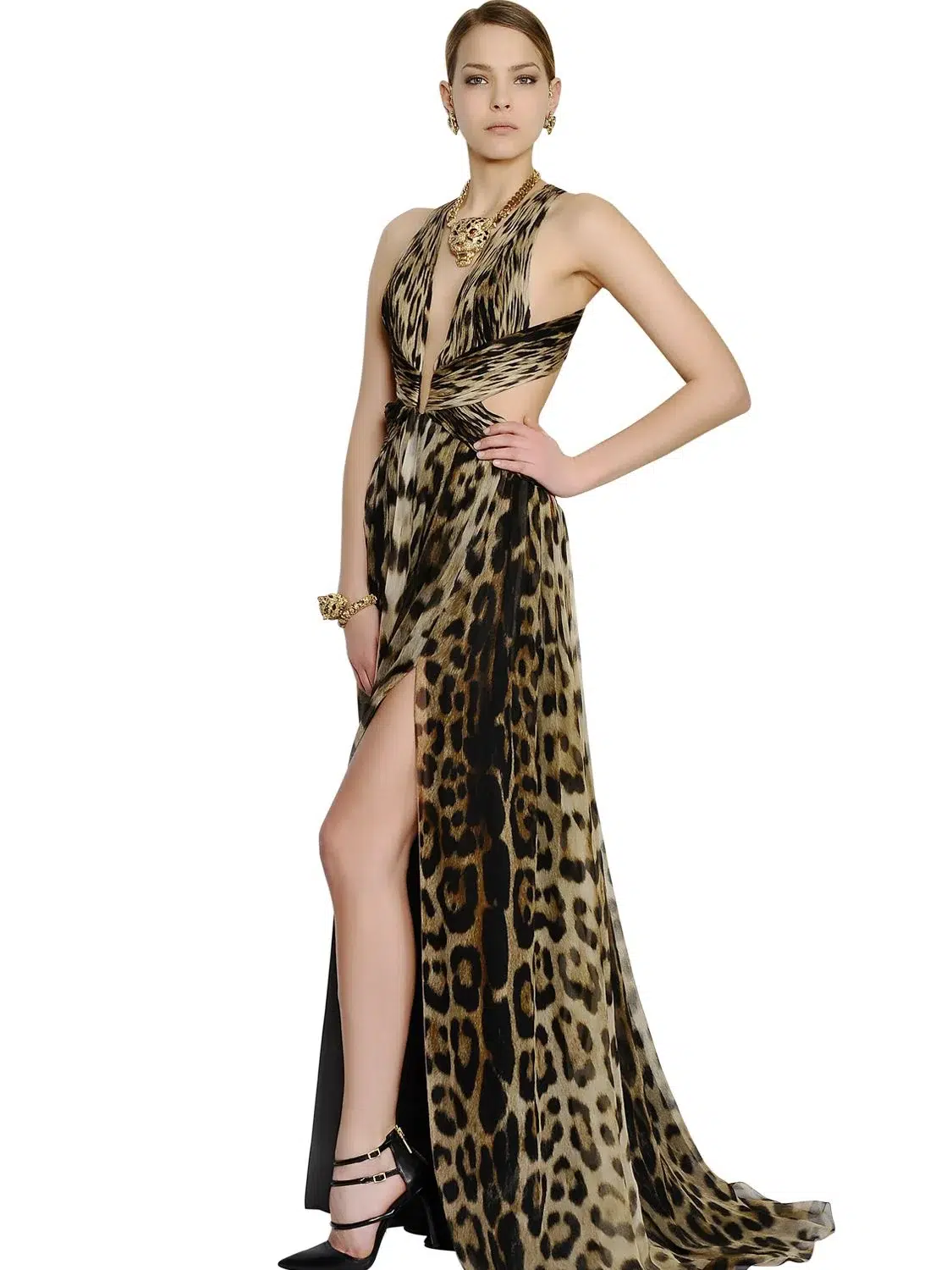
Designer Roberto Cavalli founded his brand in 1970. He has earned global recognition for his unapologetically bold designs and innovative use of luxurious materials. His early adoption of exotic prints, including tiger stripes, leopards, and snakeskin, revolutionised the fashion landscape.
Specifically, his breakthrough came with the creation of the now-famous animal print fabric. This was an entirely new concept at the time. This innovative approach, along with his ability to create garments that highlighted sensuality and femininity, quickly gained attention in the fashion world.
The brand’s popularity skyrocketed when celebrities, particularly in the 2000s, began wearing his designs on the red carpet, cementing his status as a go-to designer for high-octane, attention-grabbing glamour. Henceforth, Cavalli has been synonymous with glamour and daring creativity as one of the most definitive top high end fashion brands.
Additionally, Cavalli’s mastery lies in blending these bold patterns with luxurious fabrics like silk, velvet, and suede. Setting his brand apart, his pieces elevate from mere fashion to statement works of art. His dresses are often figure-hugging and adorned with exquisite beadwork or embroidery. Likewise, their fine details embody a sense of confidence and power.
Salvatore Ferragamo
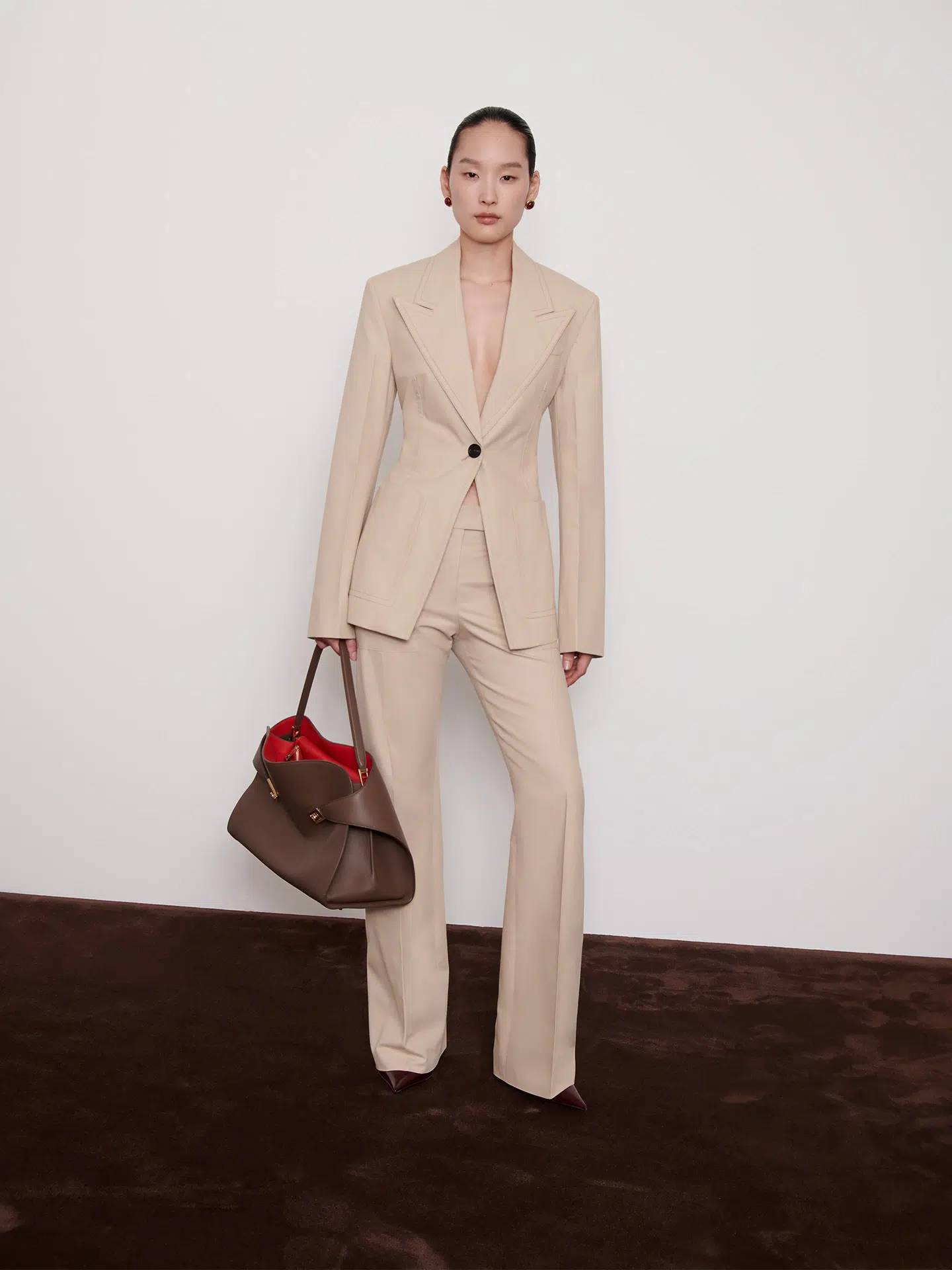
Salvatore Ferragamo, established in 1927, is renowned for its luxurious footwear and leather goods. The brand’s high-quality materials, including Italian leather, tailoring, and innovative designs have made Ferragamo a staple in the luxury fashion market.
One of the brand’s most iconic contributions to footwear is the “cage heel,” first introduced in the 1930s. Specifically, the cage heel features a striking open-toe structure, with the heel surrounded by a geometric, cage-like framework.
In addition to footwear, Ferragamo also offers exceptional workwear options for women ideal for office attire and sophisticated accessories. His collections are known for their timeless, structured pieces. Ferragamo’s sharp, tailored blazers, skirts, and dresses exude professionalism whilst maintaining an elegant flair.
Missoni
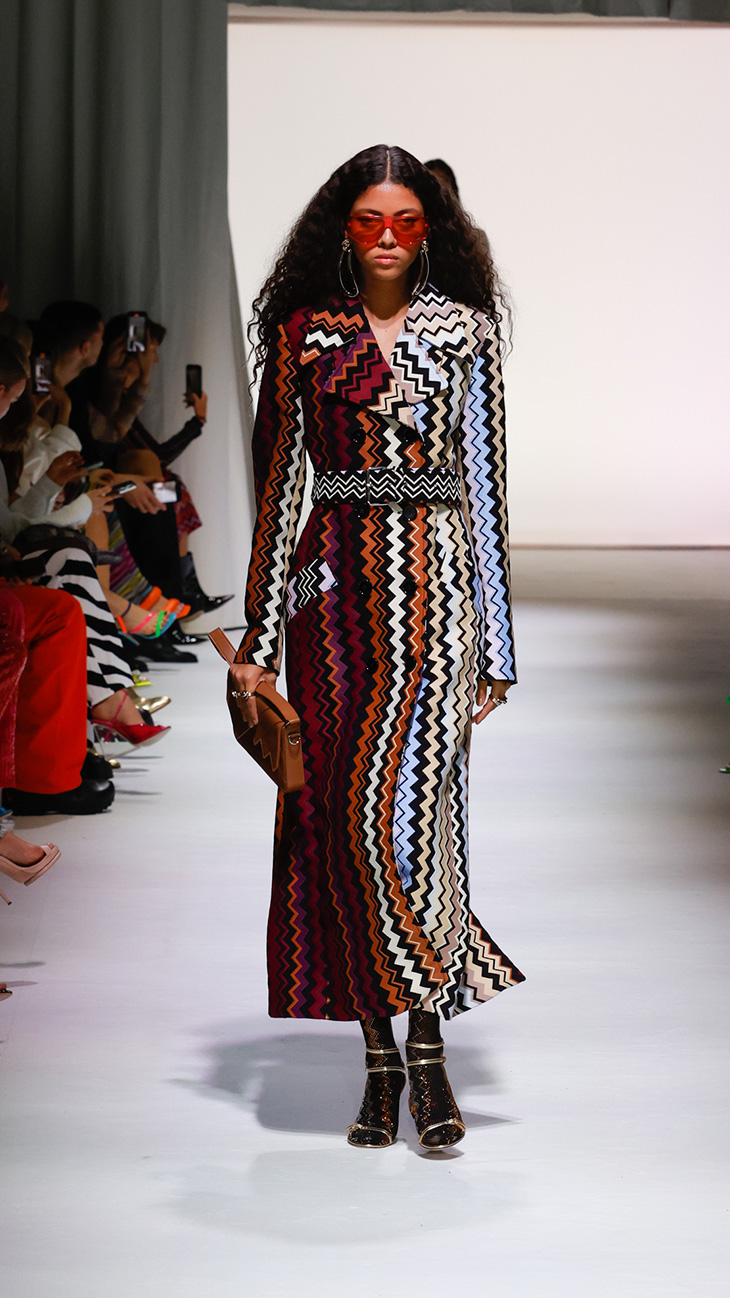
Ottavio and Rosita Missoni founded Missoni in 1953. Missoni has redefined luxury with its distinctive knitwear and vibrant patterns.
The brand’s global breakthrough came in the 1960s. Emerging from Gallarate, Italy, the brand introduced its iconic zigzag motif and kaleidoscopic designs. A landmark presentation in Florence garnered attention for their unconventional use of texture and pattern.
Missoni’s use of texture and pattern was unconventional because it challenged the subdued aesthetics of traditional knitwear and luxury design in the 1960s. At that time, knitwear was often considered purely functional and plain. Though, Missoni revolutionised knitwear within the realm of top high end fashion brands.
The brand transformed knitwear from utilitarian to artistic through bold patterns, vibrant colours, and unique textures. Ottavio’s background as an athlete and Rosita’s textile expertise shaped Missoni’s commitment to innovation. They pioneered space-dyeing, a technique that creates multi-coloured yarns. This resulted in dynamic gradients and vibrant, harmonious colour combinations.
Furthermore, Missoni’s collections featured fluid maxi dresses to structured cardigans. Their pieces exude sophistication while embracing a playful, bohemian spirit. Beyond fashion, Missoni expanded into home decor with throws, cushions, and furniture that echo the brand’s vibrance.
Miu Miu
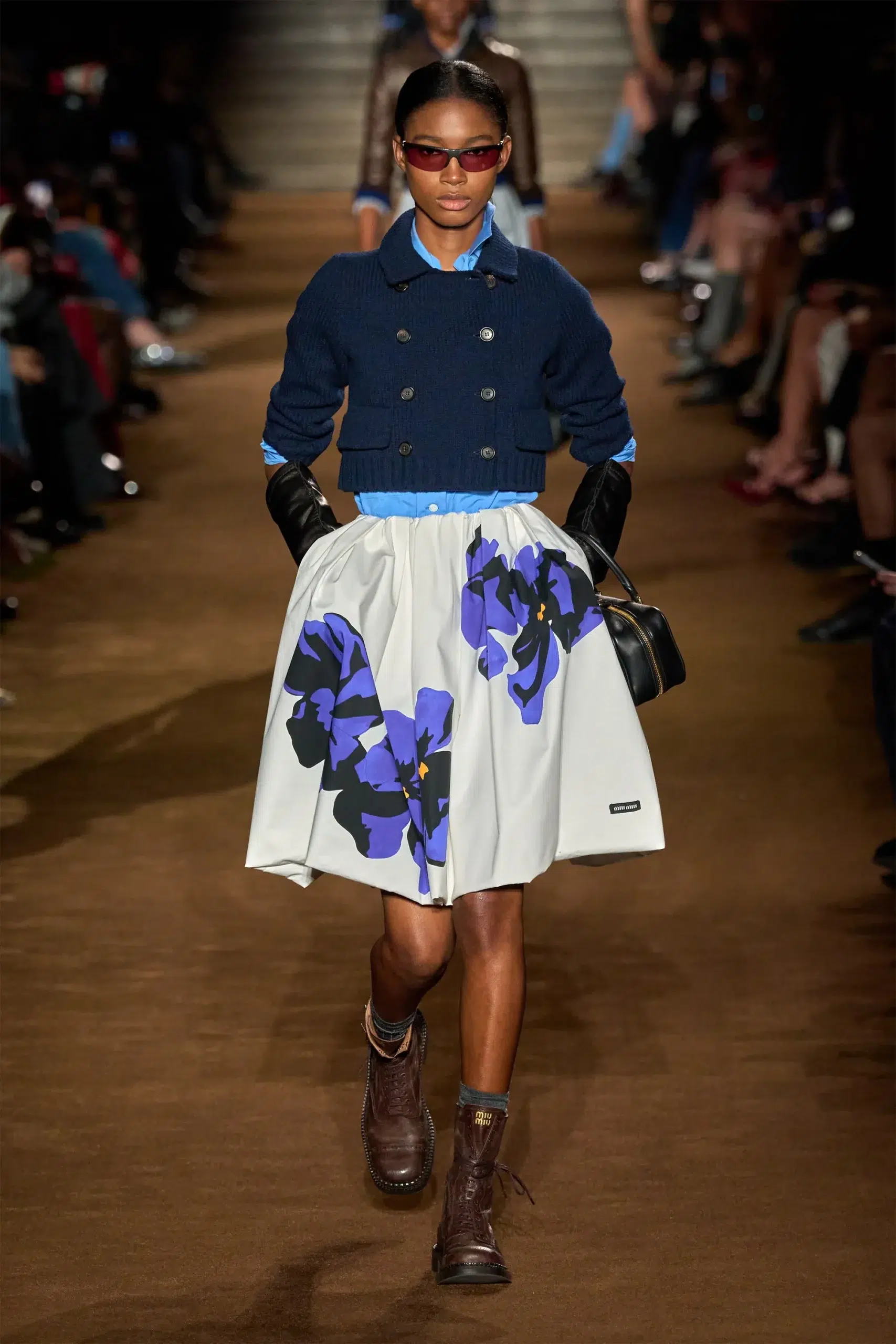
Firstly, the brand Miu Miu launched in 1993 as Prada’s youthful and rebellious sister brand.
Overall, Miu Miu embodies Miuccia Prada’s vision for bold, eclectic luxury. Named after her childhood nickname, Miu Miu took off with designs that defied convention, blending avant-garde aesthetics with a playful, feminine edge. The brand quickly became synonymous with daring experimentation. They offered retro-inspired silhouettes, quirky prints, and a subversive take on luxury.
Its iconic leather goods include structured handbags and embellished shoes. They combine the whimsical with exceptional craftsmanship, ensuring both practicality and style.
Miu Miu’s runway shows often reimagine nostalgic elements, like ‘50s-inspired dresses or ‘80s bold shoulders, infused with a modern twist. Known for its standout eyewear collections, Miu Miu sunglasses feature bold designs and intricate embellishments as one of the most statement Italian sunglasses brands.

Leave A Comment