


15 Japanese Luxury Sunglasses Brands: Elite & Indie Brands 2026
Home » Luxury Fashion Guides » Luxury Sunglasses & Eyewear Guides »
The best Japanese luxury sunglasses brands have earned a global reputation for exceptional craftsmanship, precision engineering, and understated luxury. From heritage eyewear houses such as Matsuda, Masunaga, and KameManNen to engineering-focused innovators like 999.9 Four Nines and Kaneko Optical, Japan produces some of the finest luxury sunglasses available today. Much of this reputation originates from Fukui Prefecture, the high-end eyewear manufacturing centre of Sabae which contributes to their premium pricing. Here, generations of skilled craftspeople have refined techniques such as titanium processing, acetate polishing, precision assembly, and hand-finishing. As a result, Japanese designer sunglasses are widely recognised for their durability, comfort, and meticulous attention to detail.
This guide explores 15 of the best Japanese luxury sunglasses brands across three categories: established designer eyewear leaders, collector-favourite enthusiast brands, and rising labels shaping the future of Japanese luxury eyewear. Whether you prefer timeless titanium frames made in Japan, handcrafted acetate sunglasses, or cutting-edge contemporary design, these Japanese eyewear makers represent the pinnacle of the industry.
Section I: Top Japanese Designer Eyewear Brands (Must Know)
Japan is home to some of the world’s most respected eyewear manufacturers. Whilst many luxury brands focus on fashion trends or prominent logos, the best Japanese eyewear brands have built their reputations through craftsmanship, engineering, and meticulous attention to detail.
From hand-finished titanium frames to expertly polished acetate designs, these makers continue to set global standards for quality and precision.
Matsuda: Iconic Japanese Luxury Sunglasses and Art Deco Craftsmanship
Are Matsuda glasses worth it?
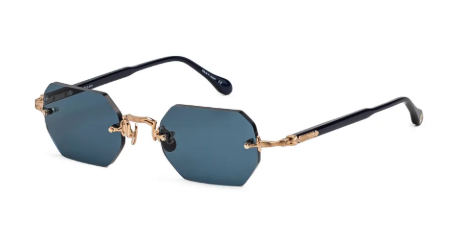
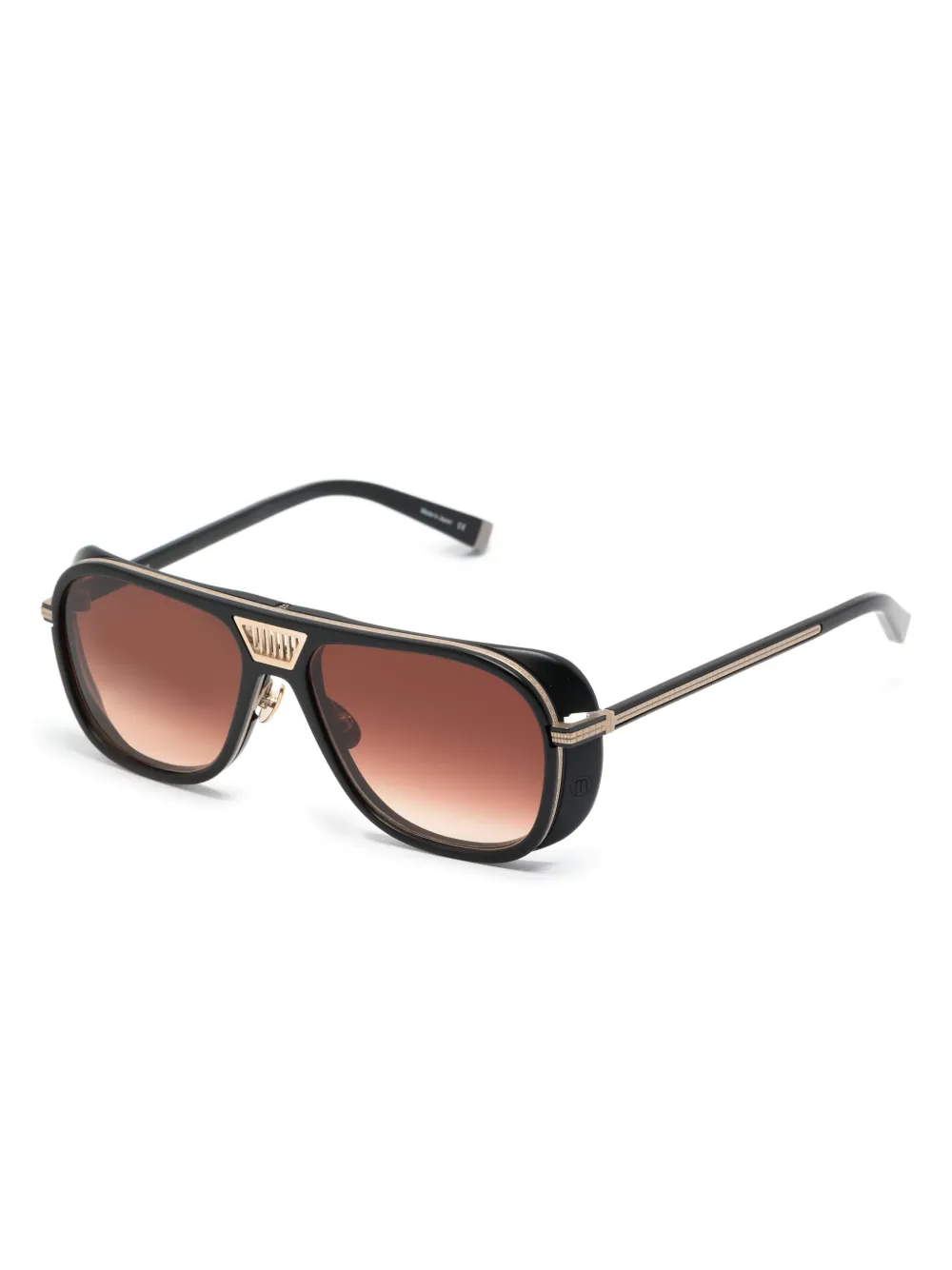
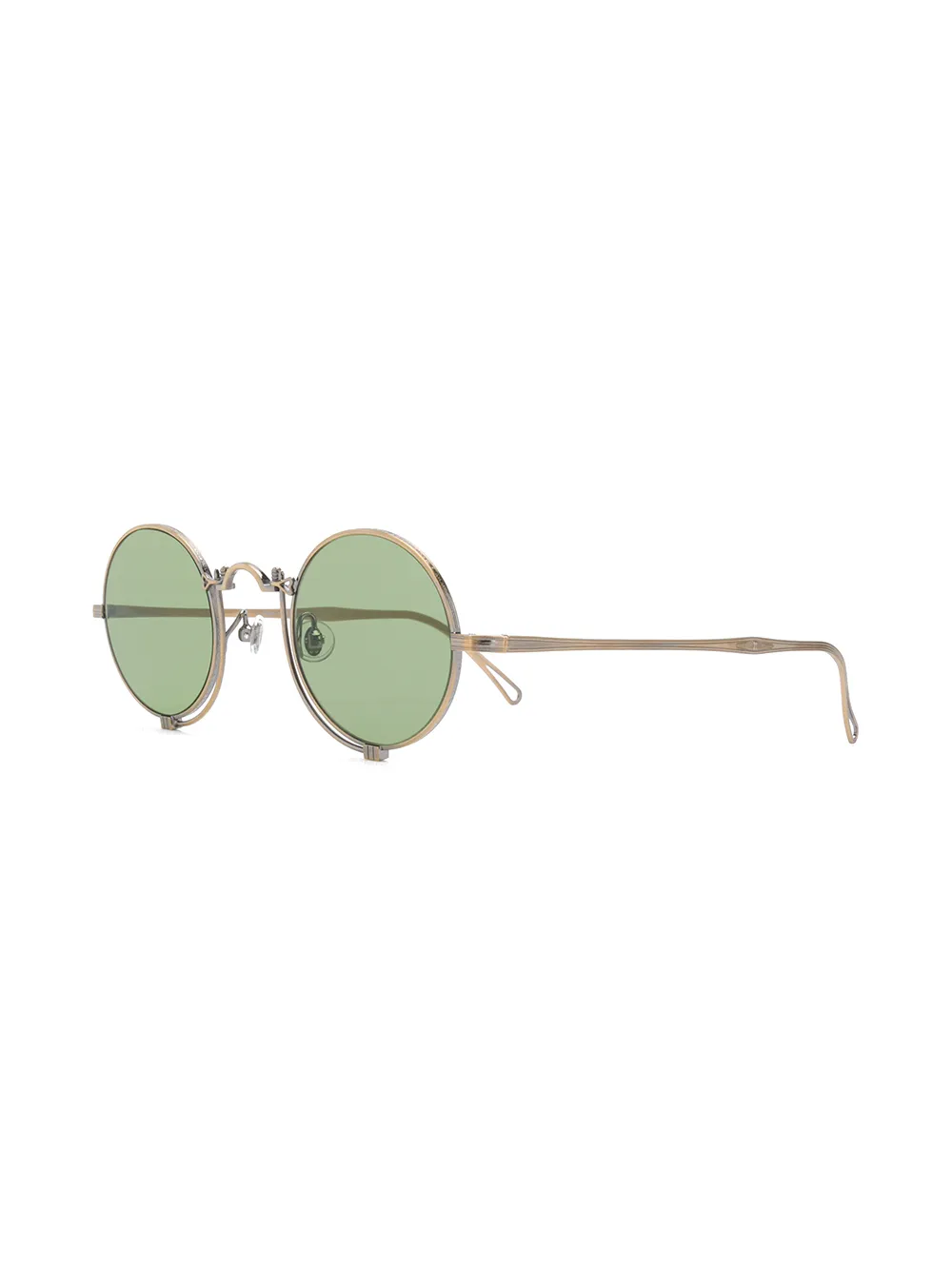
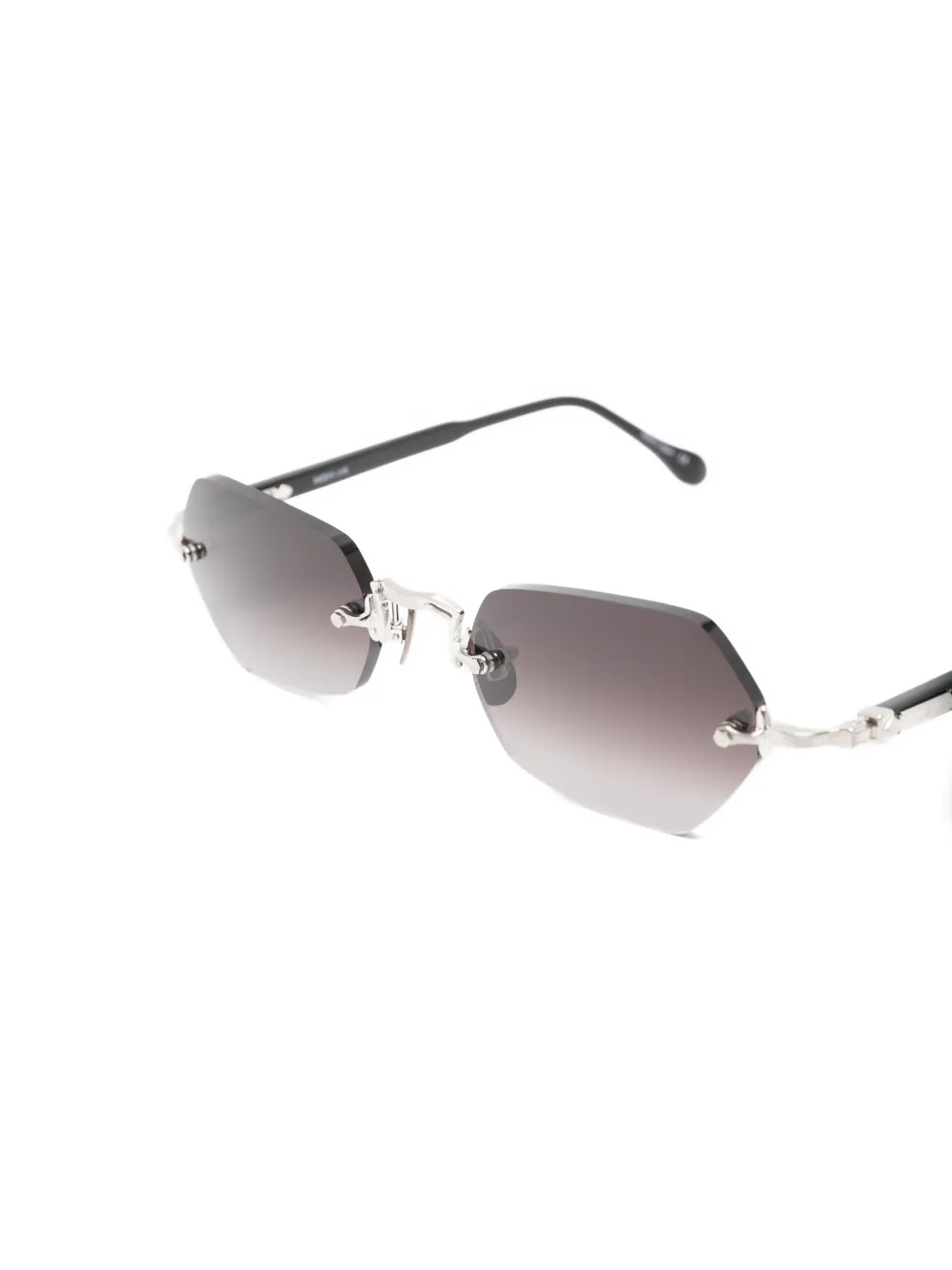
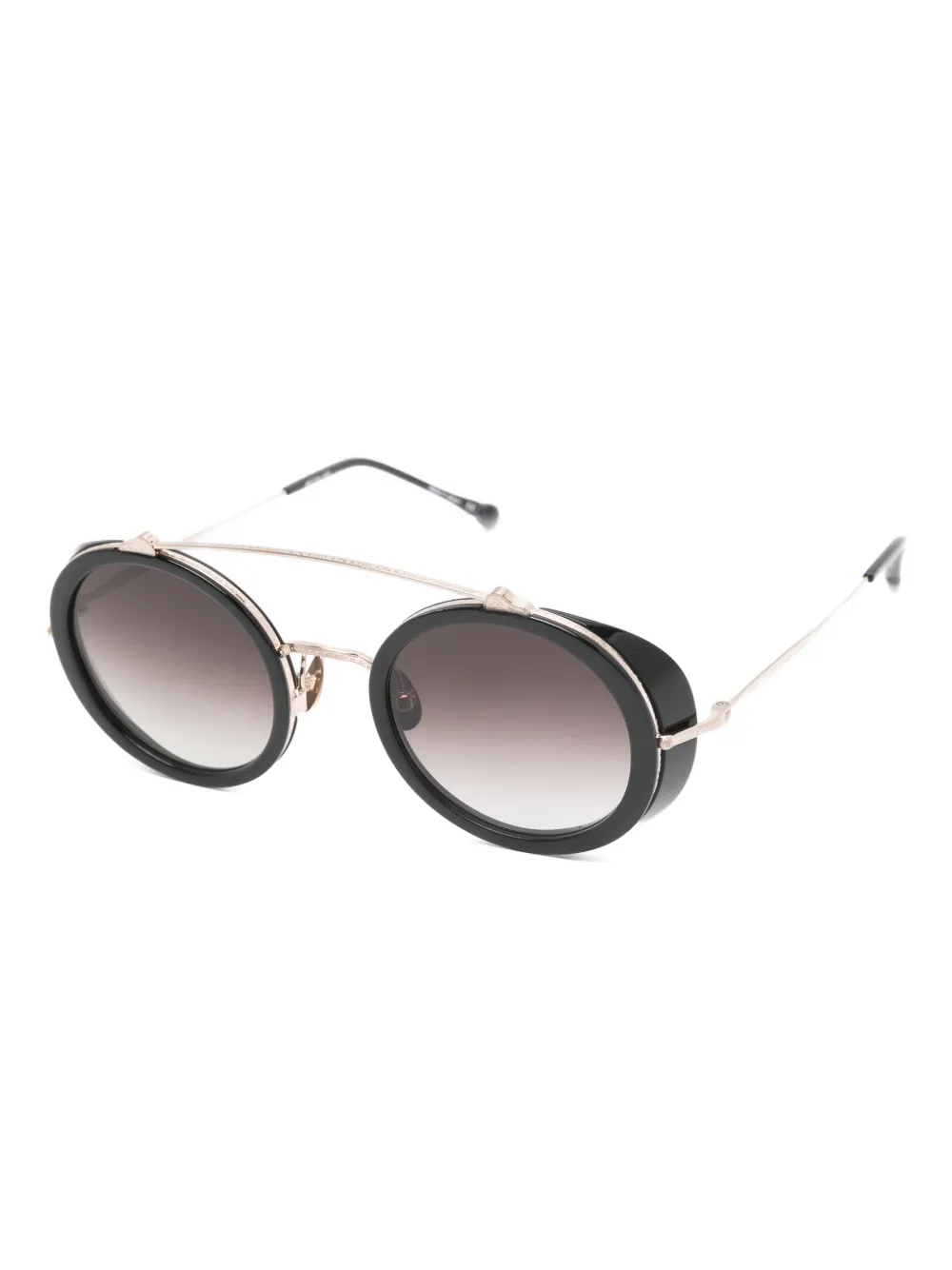
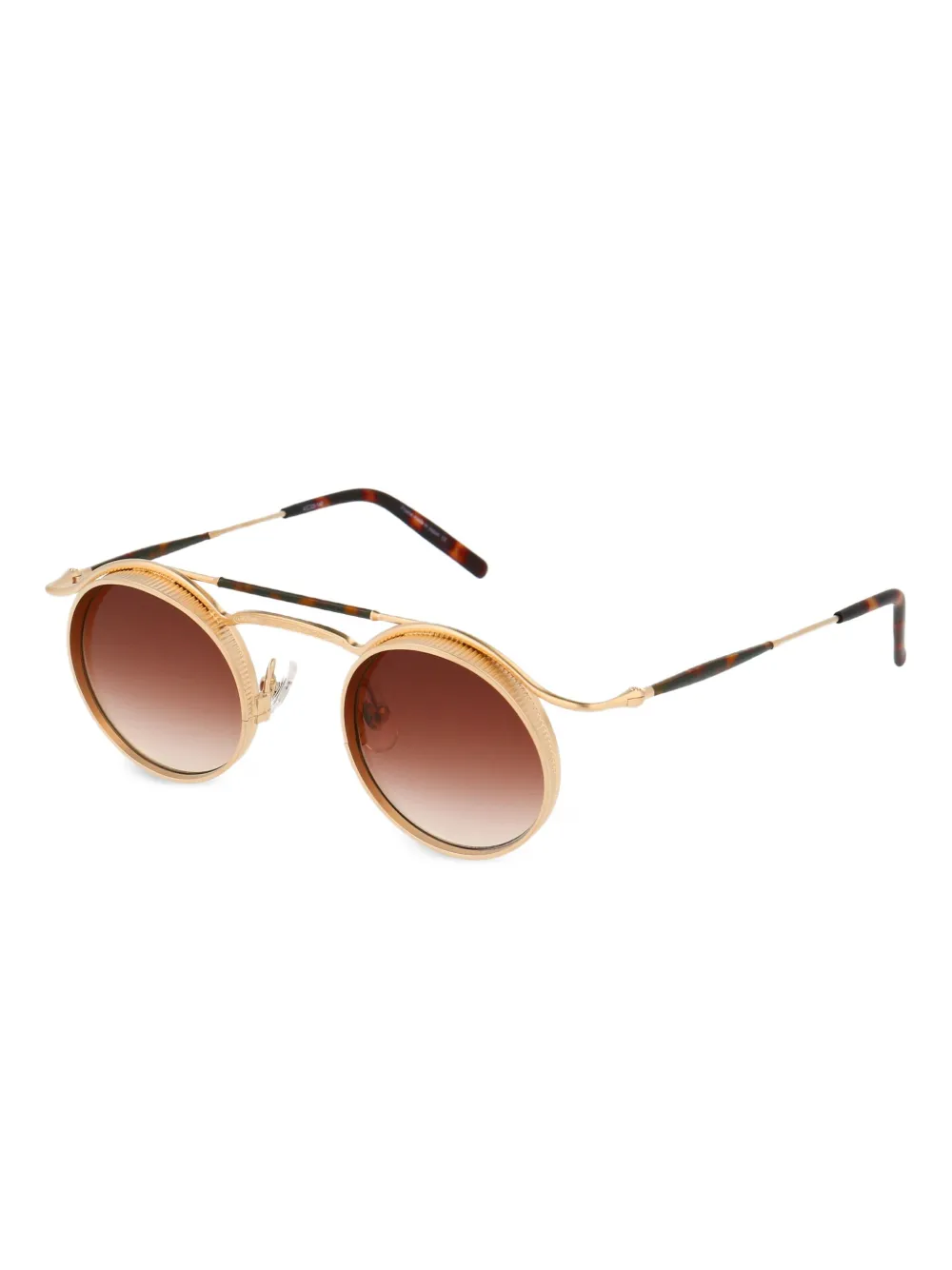
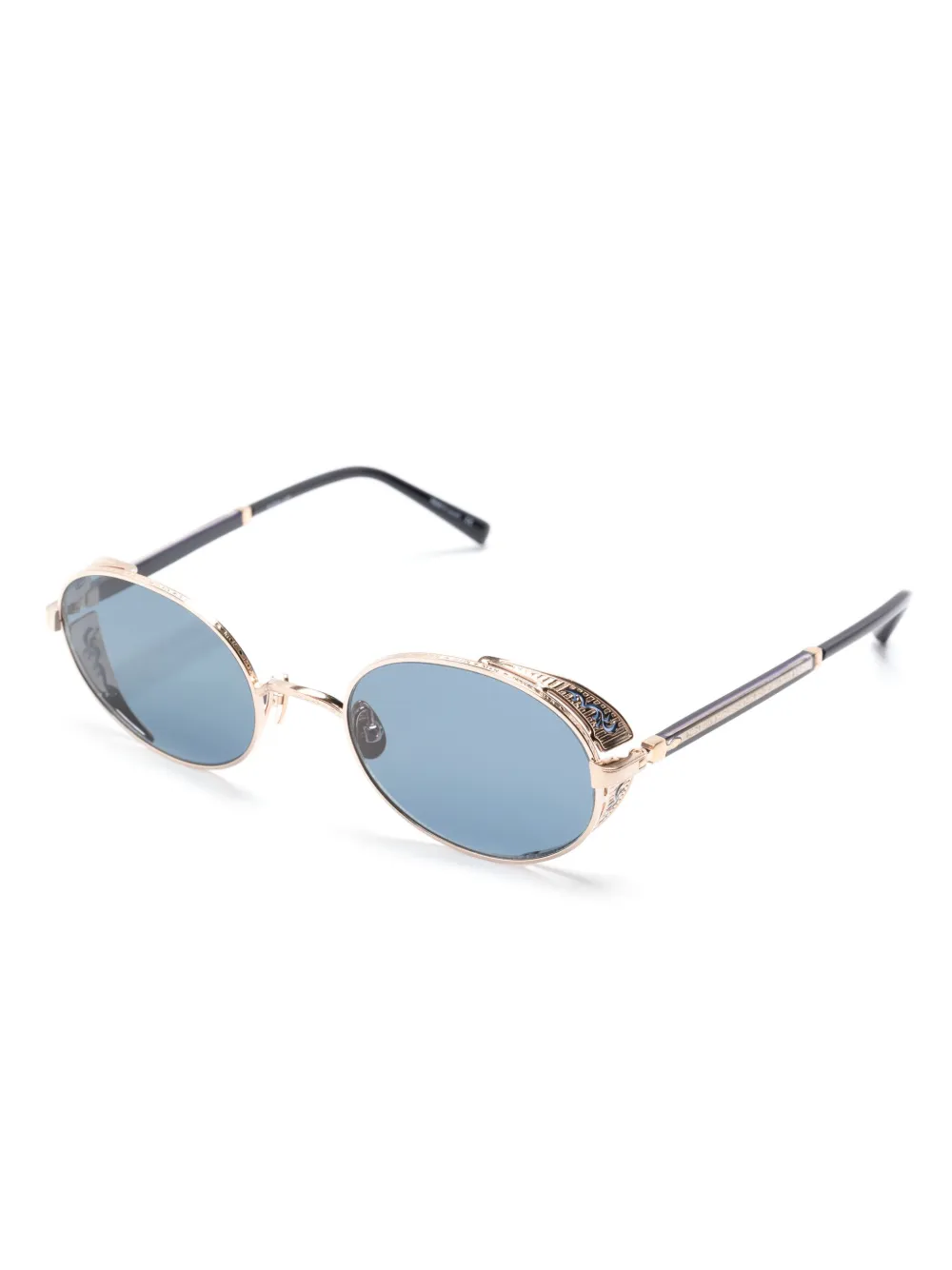
Founded in Tokyo in 1967 by designer Mitsuhiro Matsuda, Matsuda has become one of the world’s most recognisable Japanese luxury eyewear brands. The label gained international attention during the 1980s and 1990s when its distinctive industrial-inspired frames appeared in films such as Terminator 2. Since then, Matsuda has developed a reputation for blending Art Deco influences, architectural detailing, and Japanese craftsmanship into highly collectible eyewear.
Part of Matsuda’s appeal lies in its production methods. Frames are handcrafted in Sabae, Fukui, using raw, high-grade Japanese titanium and organic acetate, with some designs requiring more than 250 manufacturing steps and up to two years of completion time. Small-batch production allows artisans to execute intricate engravings, hand-carved side shields, and signature Art Deco detailing that would be difficult to achieve through mass production.
For many buyers, the value extends beyond craftsmanship alone. Matsuda combines exceptional manufacturing quality with a distinctive design language and strong collector appeal. While several other Sabae-made brands later in this guide offer outstanding craftsmanship at different price points, Matsuda remains one of the benchmark names for buyers seeking statement-making Japanese luxury eyewear. Popular collections include the M3023, M3128, M3100, and Heritage series.


Masunaga: Heritage Japanese Titanium Eyewear Since 1905
What Makes Masunaga Eyewear Special?
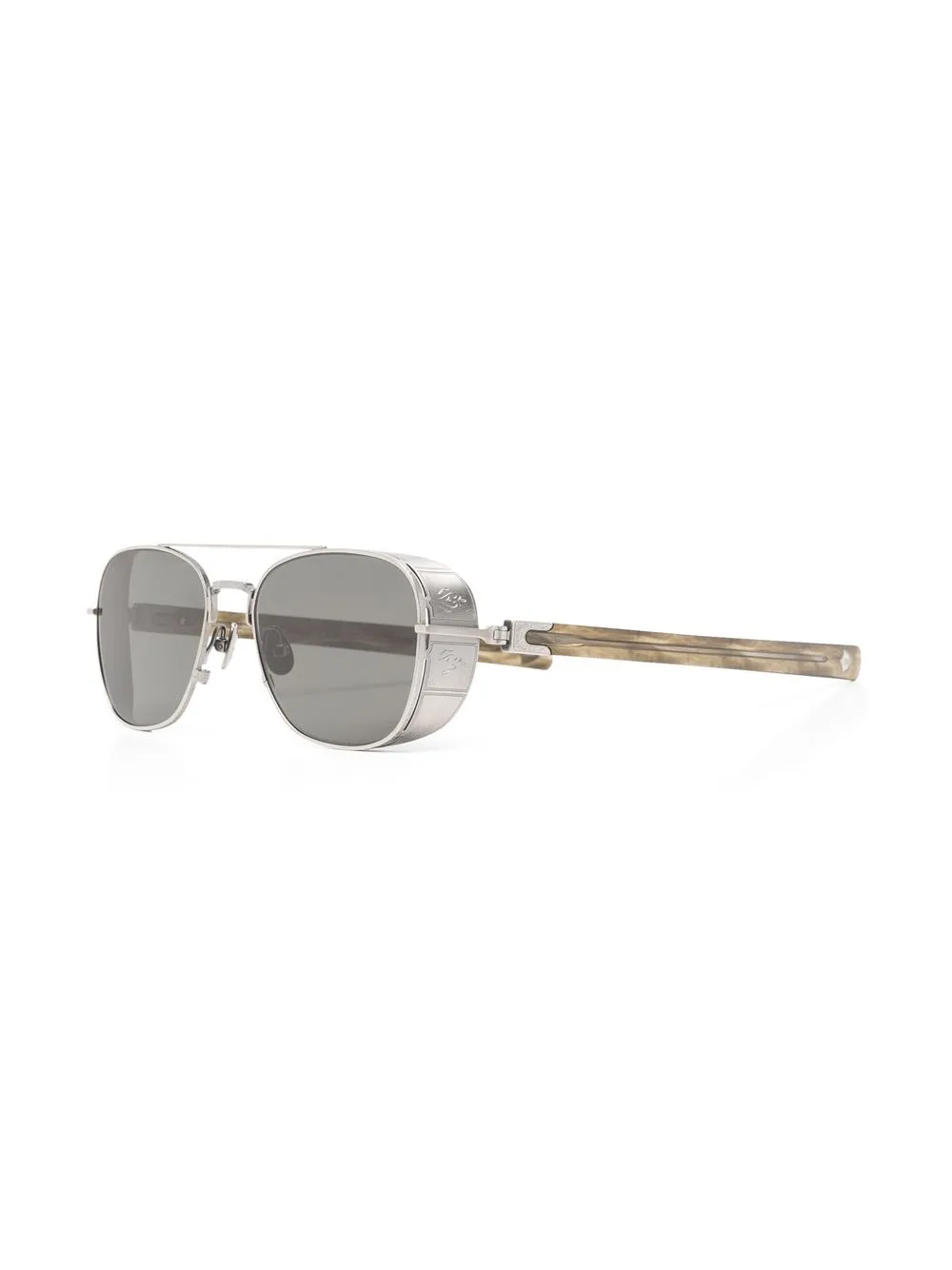
Gozaemon Masunaga founded Masunaga in 1905, one of Japan’s oldest and most influential eyewear manufacturers. The company played a central role in establishing Sabae as Japan’s eyewear capital after Masunaga introduced spectacle production to the region as a source of winter employment for local farmers. As the business expanded, it helped transform Sabae into one of the world’s foremost eyewear centres.
More than a century later, Masunaga remains one of the few eyewear makers to maintain an almost fully vertically integrated production model. The brand oversees almost every stage of production in-house, from component manufacturing and frame construction, to polishing, assembly, and final inspection. This enables the company to maintain exceptional quality control and consistency throughout the manufacturing process.
Whilst enthusiasts celebrate Japanese eyewear brands such as Matsuda for their ornate artistry and intricate metal engraving, Masunaga’s luxury is rooted in precision, refinement and long-term durability. Particularly, Its handcrafted titanium and acetate frames are known for clean lines, meticulous finishing, and exceptional comfort. Collections such as the Masunaga K3, unveiled in Paris in 2020, were developed in collaboration with renowned Japanese-French fashion designer, Kenzo Takada (1939-2020). Masunaga K3 combines the brand’s technical excellence with Takada’s eye for 1920s-era jewelry detailing and frames with elaborate temple engravings.
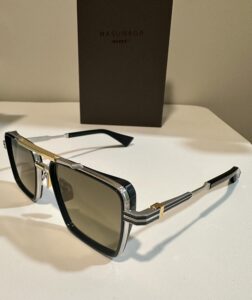
Discover the Masunaga 18-karat gold sunglasses, an ultra-premium, limited-production masterpiece capped at just 150 pieces worldwide.
This rare eyewear combines legendary Japanese craftsmanship with solid precious metal details.
999.9 Four Nines: The Engineering-Led Japanese Luxury Eyewear Brand
What is the Quality of 999.9 Glasses?
Founded in 1995, 999.9 (pronounced “Four Nines”) is one of Japan’s most respected luxury eyewear brands. Its name references the purity mark used for investment-grade gold, symbolising the company’s pursuit of the highest possible quality. Unlike fashion-led luxury labels, Four Nines built its reputation on engineering excellence, precise construction, and exceptional comfort. The brand’s philosophy is simple: glasses should function as precision tools.
The brand offers optical frames, sunglasses, and prescription-compatible designs that can be fitted with sun lenses for UV protection. Collections are crafted from premium materials including titanium, acetate, carbon fibre, buffalo horn, tortoiseshell, and gold.
999.9 Glasses hinge technology
One of Four Nines’ most recognisable innovations is its proprietary hinge technology. Models featuring the brand’s famous Reverse-R hinge absorb pressure generated during everyday wear. This helps frames maintain their fit whilst reducing the stress on the temples and nose.
Four Nines (999.9) glasses are difficult to buy online, aside from second-hand markets on platforms like eBay. The brand requires professional, in-person fittings and is exclusively available at authorized retailers, specialist optometrists, or independent boutiques like Eye Geeks Doctors of Optometry in Los Angeles.
Kaneko Optical: Heritage Sabae Craftsmanship
What makes Kaneko Optical unique?
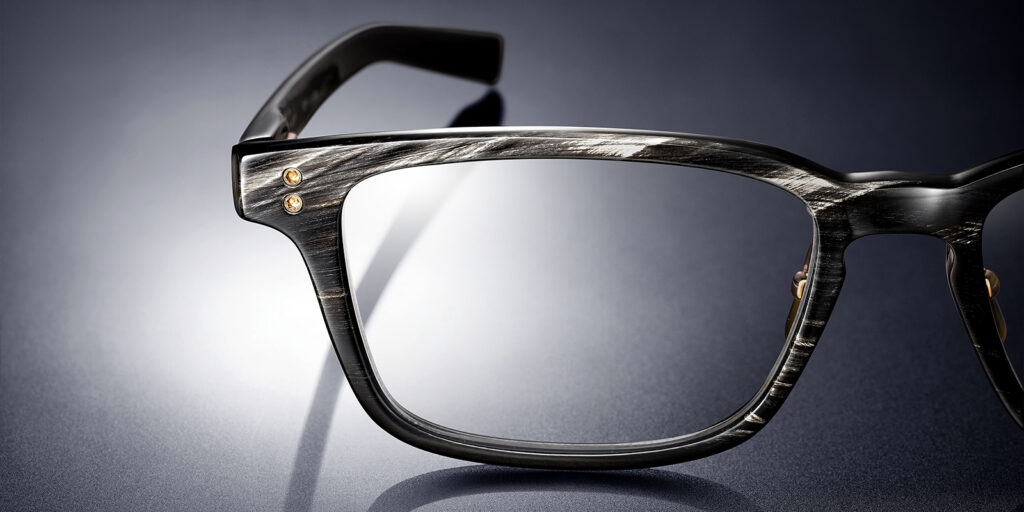
Kaneko Optical is another respected eyewear makers to emerge from Sabae, Fukui Prefecture, Japan’s renowned eyewear manufacturing centre. The brand combines traditional craftsmanship with modern precision, producing refined frames in timeless silhouettes that prioritise quality, longevity, and understated elegance over trends.
Artisans handcrafts many Kaneko Optical frames from premium Japanese acetate. These are shaped, polished, and finished by highly skilled craftsmen working within Sabae’s specialist eyewear industry.
Through longstanding relationships with local workshops and artisans, the brand draws upon generations of expertise in frame production, titanium processing, and meticulous hand-finishing techniques. Consequently, Kaneko Optical eyewear boasts significant attention to balanced proportions, exceptional polishing, and thoughtful construction.
Kaneko Optical PRESCRIPTION LENS FITTING
Additionally, Kaneko Optical produces both dedicated sunglasses and optical frames with optional prescription lense fitting. Many styles are also available with practical clip-on sun lenses, allowing wearers to switch between everyday eyewear and sunglasses whilst maintaining a consistent fit and aesthetic. Polarised lens options further enhance visual comfort and glare reduction.
For exact styles, browse Kaneko Optical collections through the United Arrows Global online store.
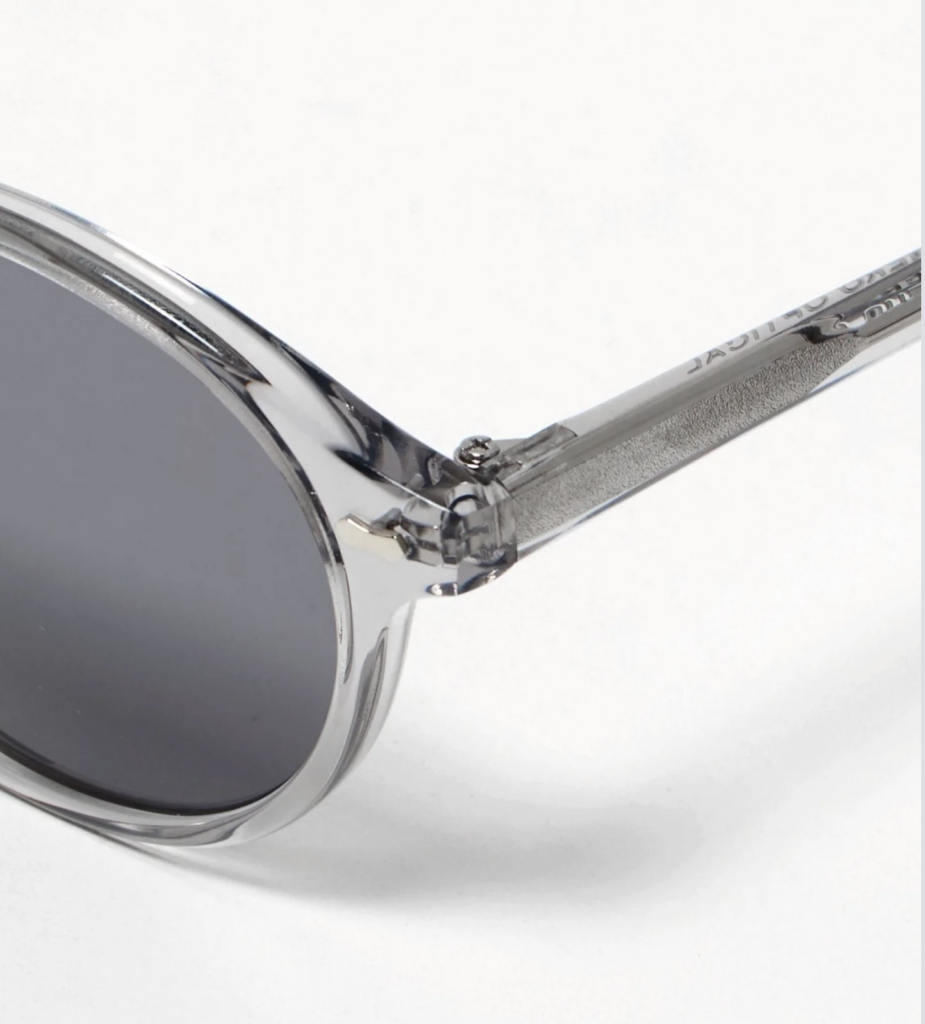
KameManNen: Understated, Anti-Rust Japanese Titanium Glasses
Is KameManNen underrated? Japan’s Oldest Eyewear Brand
The precision-engineered titanium components, delicate engraving details, and meticulous finishing of KameManNen frames demonstrate a level of craftsmanship that may receive less attention than it deserves.
Founded in 1917 in Fukui, KameManNen is widely regarded as Japan’s oldest eyewear brand. The name KameManNen comes from a traditional Japanese proverb that says a crane lives for 1,000 years and a turtle lives for 10,000 years, symbolising longevity and craftsmanship designed to endure.
KameManNen’s brand story originates at a plating factory known as Kimura Seisakusho. The factory specialised in metal-coating techniques, corrosion prevention, and electroplating. This enabled the brand to perfect highly labour-intensive, durable finishes such as ion plating long before other fashion labels.
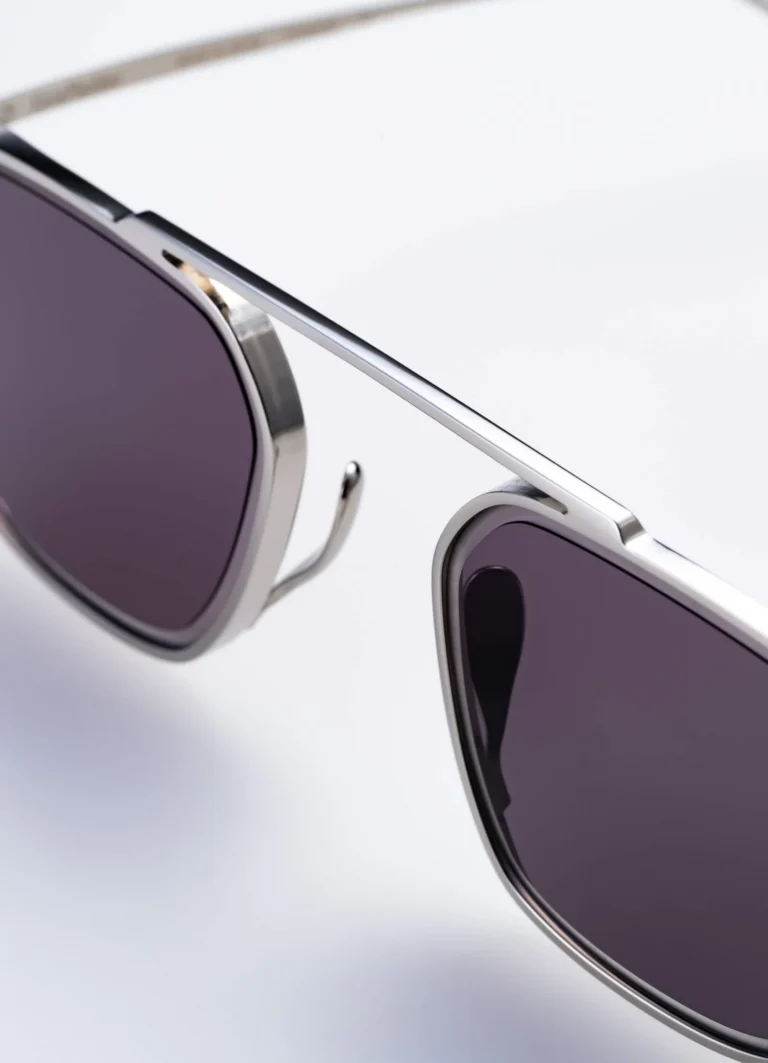
GLASSES FOR SMALL FACES
Notably, KameManNen frames (like the KameManNen 9502 glasses pictured) are also well suited to smaller faces, thanks to their elegant proportions and lightweight construction.
Many designs feature compact lens sizes and carefully balanced sizing that can be difficult to find elsewhere. Combined with thoughtfully engineered nose pads and precise weight distribution, the result is exceptional comfort and stability.
In addition, the thin rims, clean lines, and subtle detailing of KameManNen’s strong, lightweight beta-titanium frames further enhance the heritage Japanese brand’s minimalist aesthetic and quiet sophistication.
Section II: Japanese Eyewear Enthusiast Brands
For dedicated eyewear enthusiasts, Japanese frames from the following smaller specialist brands place design innovation, artisanal manufacturing, and technical experimentation at the centre of their identity.
Many of these labels have developed loyal followings amongst opticians, designers, and eyewear connoisseurs who appreciate distinctive aesthetics and advanced construction found within Japan’s eyewear industry.
Yellows Plus: Quiet Luxury and Refined Japanese Minimalist Glasses
Designer Toshiaki Yamagishi founded Yellows Plus in 2001 “to create the collection of the Japanese people, for the Japanese people, and by the Japanese people”. Its collections feature classic round, square, and softly vintage-inspired shapes that evoke mid-century charm.
five-barrel hinge GLASSES
Yellows Plus produces each frame in Fukui, Japan, where skilled craftsmen meticulously refine the founder’s vision. The company believes even a one-millimetre adjustment can dramatically alter a frame’s appearance and fit.
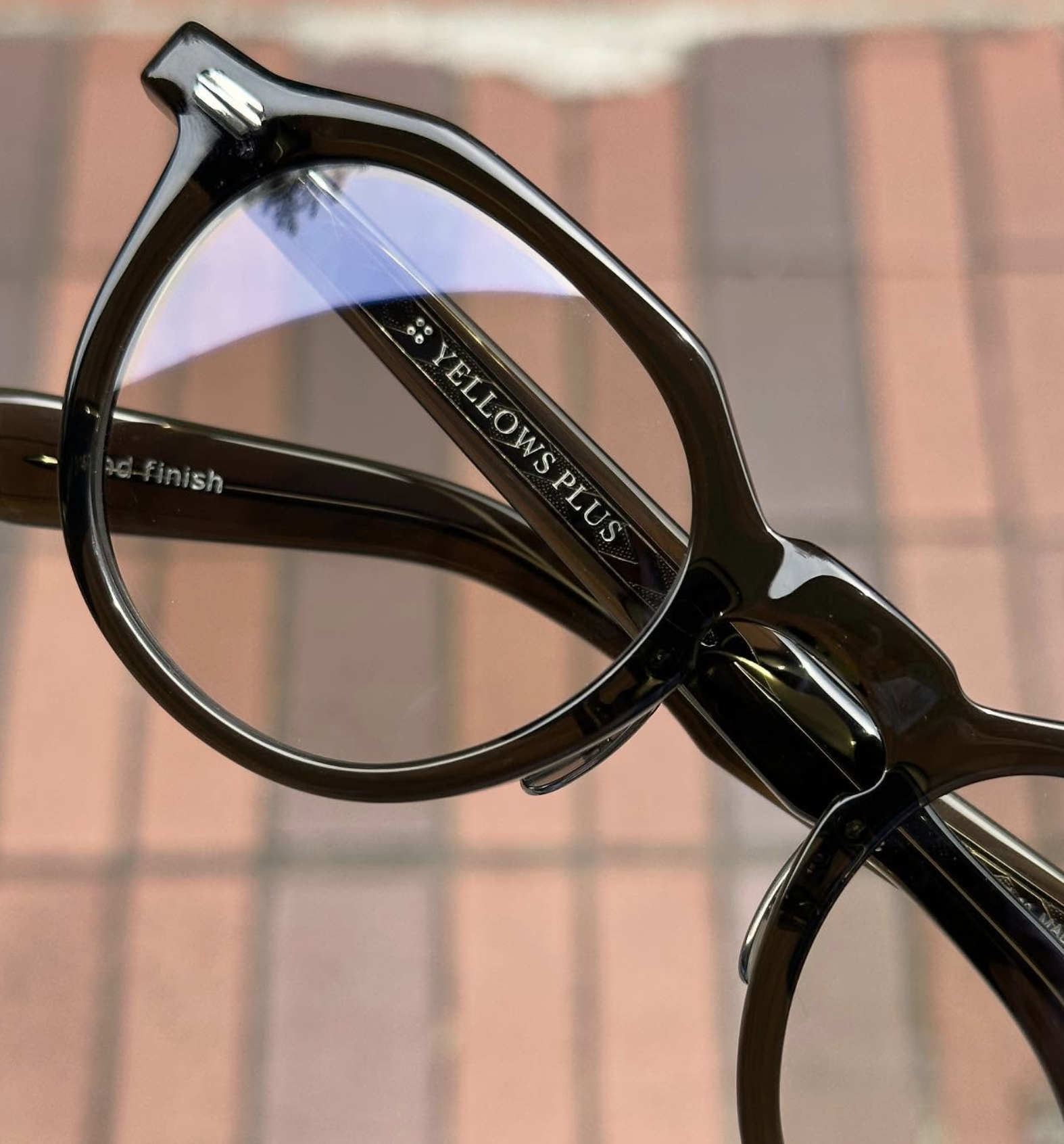
One of the defining characteristics of Yellows Plus eyewear is their durable five-barrel hinges that provide smooth opening and closing for long-term reliability. Carefully designed temples and anti-slip nose pads further enhance comfort during extended wear.
The brand’s catalogue currently includes over 350 styles across both prescription eyewear and sunglasses.
Collections range from minimalist, premium Japanese titanium designs to handmade, high-quality cellulose acetate (such as Takiron acetate known for its high polish and deep lustre) frames in tortoiseshell, black, amber, and understated metallic finishes.
BJ Classic Collection: Celluloid, Rust-Proof Titanium Heritage Eyewear
Why is BJ Classic Collection So Popular?
BJ Classic Collection has become one of Japan’s most respected eyewear brands, combining vintage American design with master Sabae craftsmanship. The company traces its roots to BROS Japan, the official Japanese agency for American Optical (AO).
As one of America’s most influential eyewear manufacturers, AO supplied eyewear to the U.S. military during World War II. They also produced iconic styles worn by Apollo 11 astronauts, U.S. presidents, and cultural figures throughout the twentieth century.
How are BJ Classic Glasses Made?
When BJ Classic Collection in 2005, its founders studied AO’s historic archives extensively. Consequently, the brand became known for recreating classic mid-century American frame designs, whilst refining them for modern comfort and Asian facial proportions. For example, the brand pays homage to AO’s famous browline styles, including the iconic “Sirment” frames associated with Malcolm X.
Handcrafted in Sabae, the collection utilises highly durable celluloid, rust-resistant titanium, and hand-polished acetate. Traditional Japanese techniques such as Echizen lacquerware finishing create remarkable depth and lustre, while many shaping and polishing processes remain performed by hand.
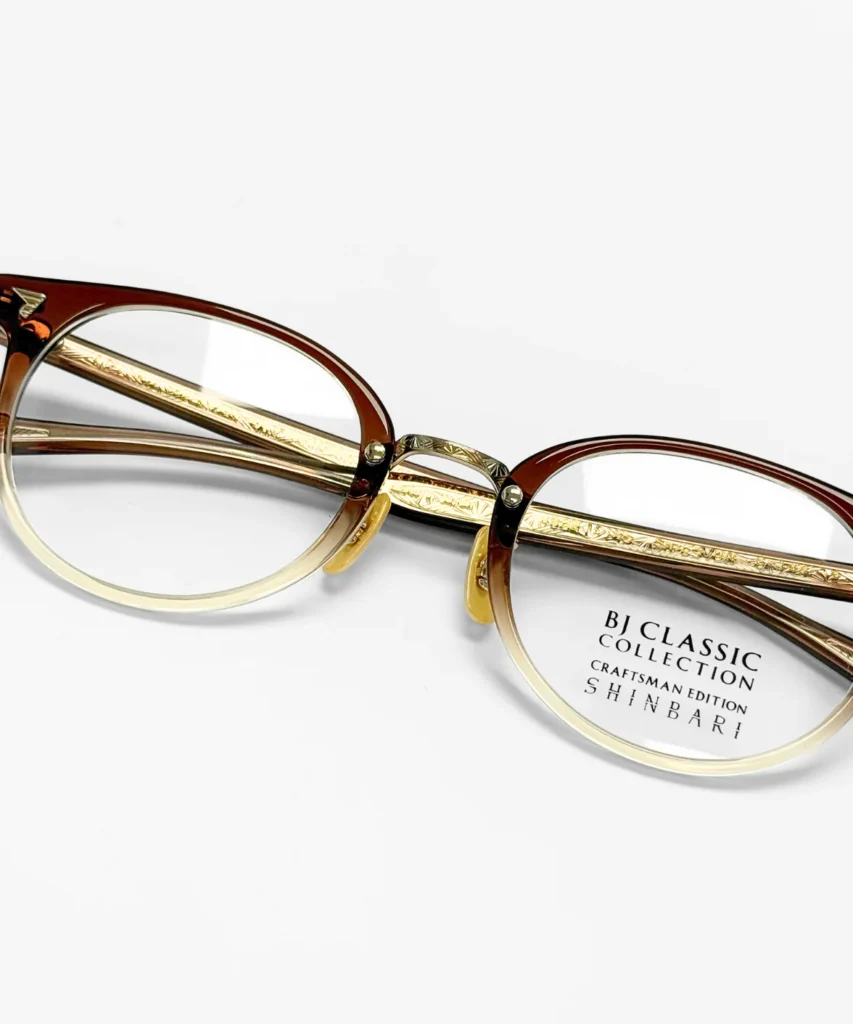
Moreover, innovative collections such as the SHINBARI series showcase beautifully engraved metal cores visible through transparent acetate temples. Alternatively, the Heavy Edition line features substantial 8mm-thick frames paired with pure titanium nose pads.
Factory900 Sunglasses: Avante-Garde “Future’s Eyewear”
The Sculptural Craftsmanship of Fukui
Factory900 occupies a unique place within Japan’s luxury eyewear industry because it treats eyewear as wearable art. The brand emerged in 2000 from Aoyama Optical, a family-run Fukui manufacturer with more than three generations of frame-making expertise.
Unlike traditional frames cut from flat sheets of acetate, Factory900 specialises in sculptural three-dimensional construction that has earned multiple international design awards. Using dense Japanese cellulose acetate, advanced 3D modelling techniques, and specialised pressure-forming processes, the company creates multi-layered, dramatic shapes featuring flowing curves and architectural depth that traditional manufacturing methods typically cannot achieve.
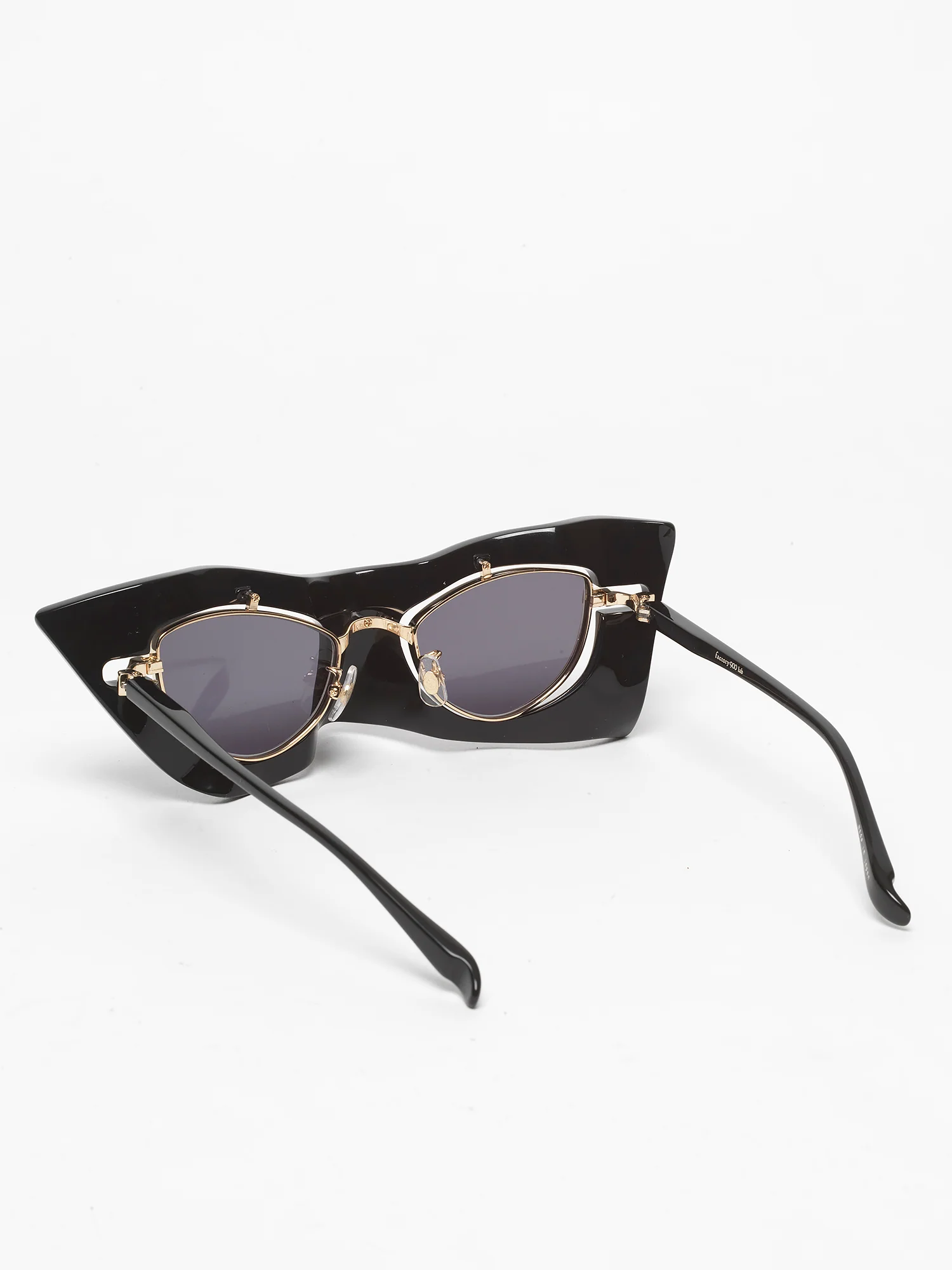
Pictured left are the FA 1080 black glasses (photo by ivisionari.com).
Replacing standard front-facing frames, the continuous 3D curves result in eyewear that appears different from every angle whilst remaining surprisingly comfortable to wear.
Despite its futuristic aesthetic, every frame remains deeply rooted in Fukui craftsmanship, with skilled artisans overseeing production from start to finish. Explore selected Factory900 styles at their flagship store based in Osaka, Japan, or at luxury fashion online retailer Farfetch Factory900 glasses for women.
Yuichi Toyama: Architectural Japanese Luxury Eyewear
What is Yuichi Toyoman known for?
Yuichi Toyama has become one of the leading names in contemporary Japanese eyewear by combining architectural design with understated luxury. Rather than relying on logos or decoration, Toyama focuses on proportion, structure, and the relationship between eyewear and the face.
The brand’s distinctive aesthetic draws heavily from architecture and Japanese minimalism. Geometric lines, layered construction, and carefully balanced negative space create frames that function as wearable design objects. However, Yuichi Toyama achieves visual impact through restraint. The result is eyewear that feels sophisticated, intellectual, and quietly distinctive.
The brand produces each frame in collaboration with specialist Sabae craftspeople using premium titanium and high-grade acetate. Advanced frame-in-frame constructions showcase the technical precision behind the designs while maintaining exceptional lightness and comfort.
Native Sons: Vintage-Inspired Tokyo Eyewear for Collectors
Why Do Eyewear Enthusiasts Love Native Sons?
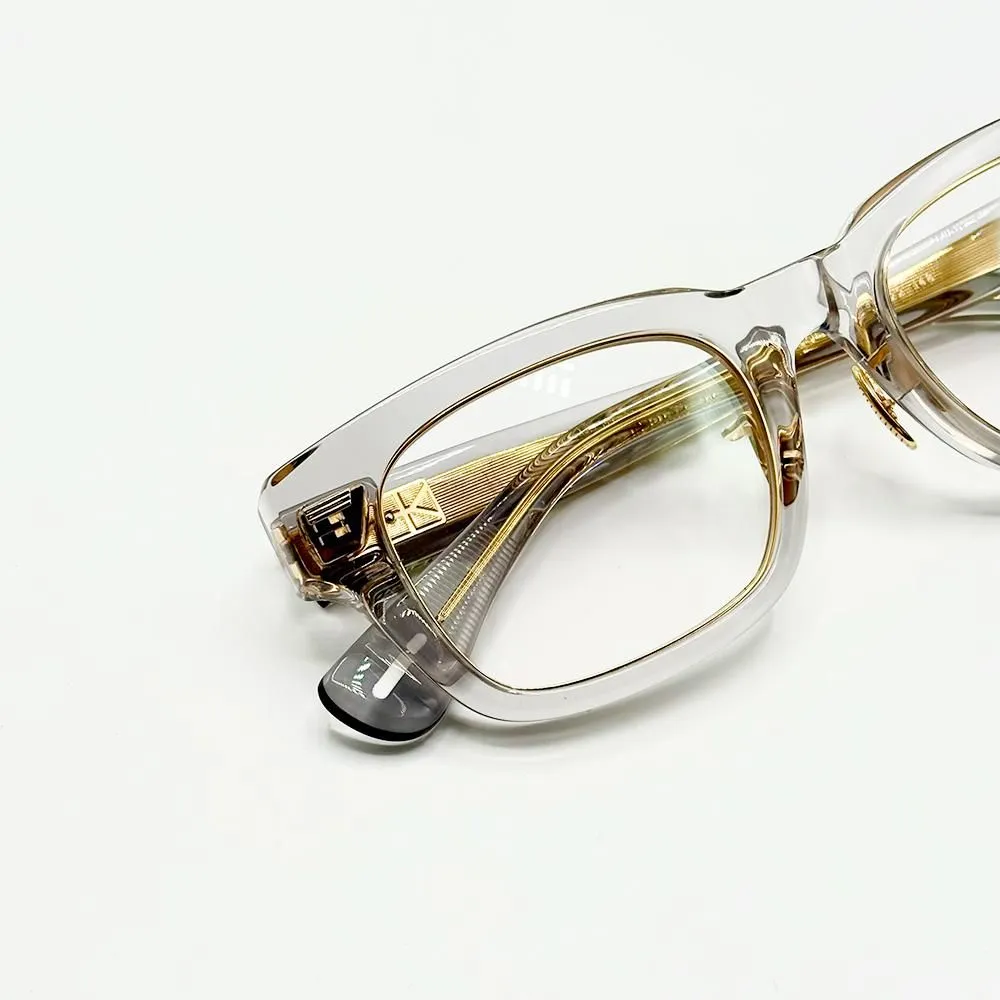
Shinsuke Takizawa and legendary eyewear designer Tommy O’Gara founded Native Sons. As a result, the brand blends vintage American influences with exceptional Japanese craftsmanship. Native Sons draws its inspiration from post-war industrial design, mid-century counterculture, and classic motorsports culture, resulting in frames that feel both nostalgic and contemporary.
Every frame is handmade in Fukui, Japan, using premium custom cellulose acetate, aerospace-grade titanium, and high-quality optics. Rather than pursuing lightweight minimalism, Native Sons embraces substantial construction. Thick acetate fronts, custom beveling, and intricate volume milling create frames with remarkable depth, character, and presence while maintaining excellent balance and comfort.
The brand also launches limited production runs, exclusive colourways, and frequent collaborations with respected fashion and cultural partners.
Section III: Rising Japanese Luxury Sunglasses Brands
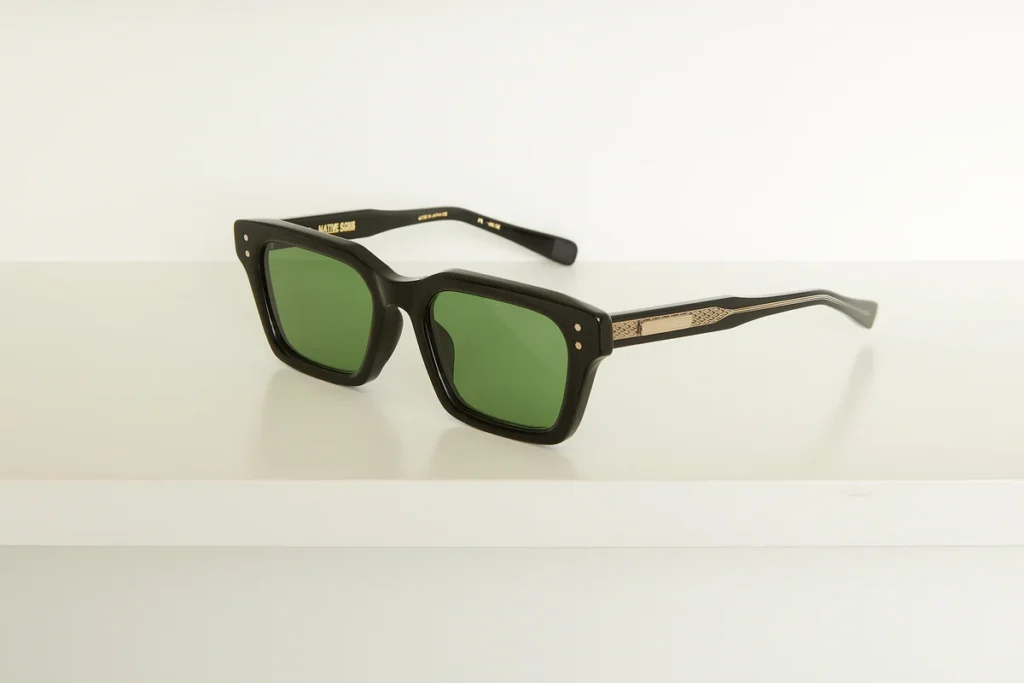
A new generation of independent brands is bringing fresh perspectives to Japanese eyewear design. Many of these emerging labels combine traditional craftsmanship from Fukui and Sabae with contemporary aesthetics, experimental materials, and distinctive design philosophies.
Although less widely known than Matsuda or Masunaga glasses, these rising Japanese sunglasses brands have begun attracting attention amongst collectors, offering an opportunity to discover the future of Japanese luxury eyewear.
35/139 Tokyo: Contemporary Fashion-Led Japanese Eyewear
What Makes 35/139 Tokyo Unique?
35/139 Tokyo has quickly established itself as one of Japan’s most exciting modern eyewear brands. Founded by designer Sabae craftspeople and fashion creatives, the label blends architectural minimalism with fashion-forward design. The result is eyewear that feels contemporary, sophisticated, and distinctly urban.
The brand manufactures their glasses in Fukui using premium titanium and acetate from Japan’s renowned eyewear industry. Many designs combine ultra-lightweight titanium structures with sculpted acetate rims, creating frames that balance visual presence with everyday comfort. Subtle geometric detailing and refined proportions further distinguish the collection from more traditional luxury eyewear.
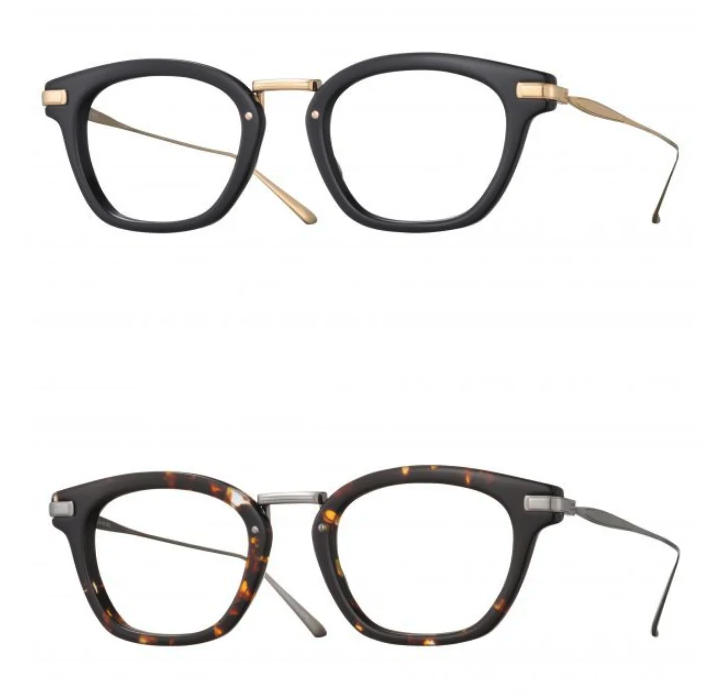
Unlike heritage-driven brands that draw heavily from vintage references, 35/139 Tokyo embraces modern design language. Clean lines, understated colour palettes, and thoughtful material combinations make the collection particularly appealing to buyers seeking contemporary luxury with Japanese craftsmanship.
35/139 Tokyo does not operate a standalone direct-to-consumer e-commerce site. Instead, its collections are instead carried by authorised stockists such as:
– OnePointSevenFour, an `Australian-based independent optician and eyewear boutique;
– Blackzmith Optical is a Hong Kong-based luxury eyewear retailer and distributor.
H-Fusion: Mid-Century Inspired Japanese Craftsmanship
Is H-Fusion a Good Eyewear Brand?
H-Fusion has developed a loyal following by reinterpreting classic mid-century eyewear through a distinctly Japanese lens. Rather than producing direct reproductions, the brand carefully blends vintage American and European influences with modern materials, improved ergonomics, and refined proportions.
Handcrafted in Sabae, H-Fusion frames feature premium acetate, lightweight titanium components, and meticulous finishing throughout. Small details often distinguish the collection, including engraved bridge work, custom metal fittings, and carefully balanced frame geometry. These subtle touches create an elevated sense of craftsmanship without overwhelming the design.
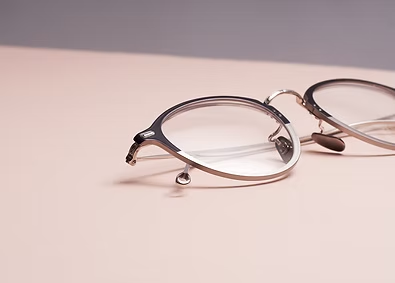
Consequently, H-Fusion appeals to buyers who appreciate timeless aesthetics but prefer a more contemporary fit and finish. The brand’s ability to merge nostalgia with modern Japanese precision makes it one of the most compelling emerging names in luxury eyewear.
H-Fusion frames can be found at official stockists such as Luxeye Optical online and across multiple U.S. locations across Brooklyn (including Shine Optique), Manhattan, and Queens.
Filton: Tailoring-Inspired Japanese Artisan Eyewear
What Makes Filton Eyewear Unique?
Filton stands apart from nearly every other Japanese eyewear brand through its unusual source of inspiration: traditional tailoring and sewing craftsmanship. The brand’s name references “fil,” the French word for thread, reflecting its fascination with garment construction, pattern making, and handmade luxury.
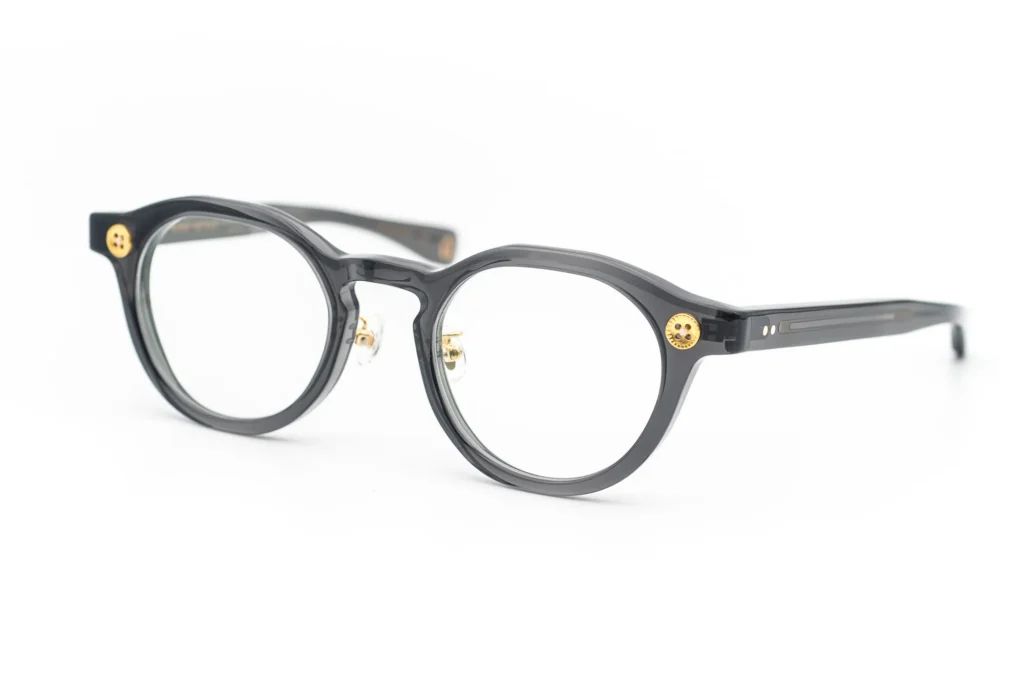
This influence appears throughout the collection. Certain frames incorporate decorative details inspired by stitching, buttons, measuring tools, and tailoring techniques. However, these references remain subtle and sophisticated rather than novelty-driven. The result is eyewear that feels artistic while maintaining everyday wearability.
Produced in Japan using premium acetate and precision manufacturing techniques, Filton combines strong craftsmanship with a highly distinctive creative identity. For fashion enthusiasts who appreciate the relationship between tailoring, craftsmanship, and luxury design, Filton offers one of the most original concepts in contemporary Japanese eyewear.
Selenite: Artisanal Japanese Celluloid Craftsmanship
Why Is Selenite Gaining Attention?
Selenite is one of the most distinctive emerging names in Japanese luxury eyewear. Rather than treating glasses as purely functional objects, the brand approaches frame-making as a form of wearable art. Drawing inspiration from classical mythology, sculpture, and architecture, Selenite creates highly expressive designs that stand apart from the minimalist aesthetic often associated with Japanese eyewear.
What Makes Selenite Eyewear Unique?
Named after the mineral selenite, the brand has developed specialised techniques for working with premium Japanese celluloid. Certain areas of the frame are carefully sculpted to create a soft matte texture resembling carved plaster, whilst surrounding surfaces retain their polished finish. This interplay between texture and reflection creates a striking visual depth rarely seen in contemporary eyewear.
Many glasses models are named after mythological figures such as Amor, Cupido, and Perseus, while subtle details reward closer inspection. Some titanium nose pads feature an engraving of Claude Debussy’s famous quote, “Art is the most beautiful lie.” Elsewhere, Selenite incorporates unusual design elements including white-painted hinges and genuine canvas tacks used to display serial numbers.
Furthermore, many Selenite releases are limited to approximately 200 pieces worldwide. Find available models through specialist Japanese stockists such as Eyewear Mebius and Parts Osaka.
Tanabiku: Boutique Japanese Eyewear
Founded in Sabae, Fukui, Tanabiku Eyewear blends Japanese craftsmanship, contemporary design, and sustainability. Its sculptural frames appeal to collectors seeking something distinctive beyond mainstream luxury eyewear.
How Is Tanabiku Eyewear Made?
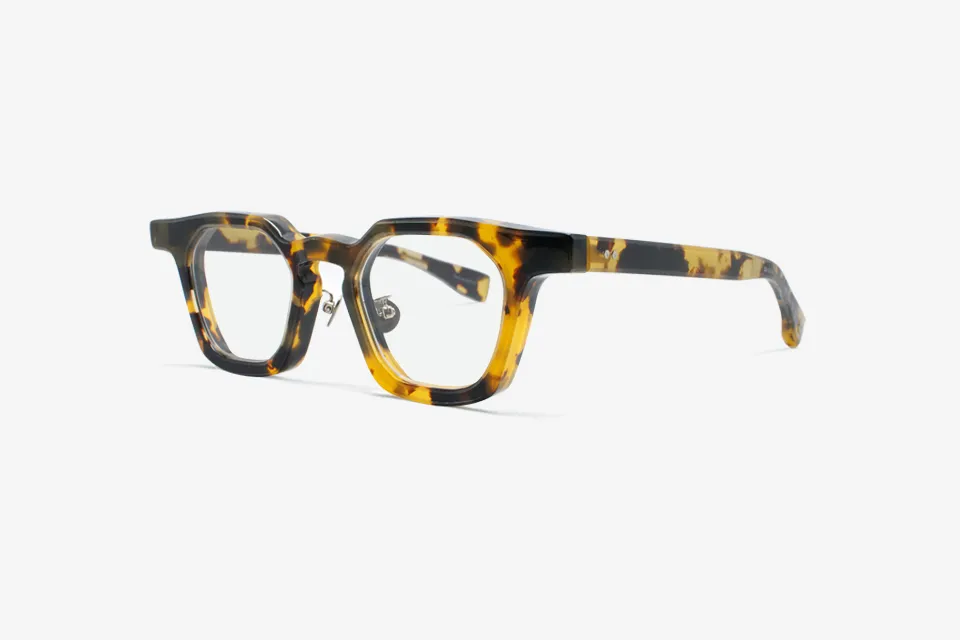
Many of the brand’s designs reinterpret classic Western silhouettes, such as Wellington and Crown Panto frames, using bold 10mm-thick bio-acetate construction. Several models feature a striking “Television Cut” finish, where precisely bevelled edges create remarkable depth and an architectural presence. Seven-layer hinges, decorative kasumi wirecores inspired by traditional Japanese haze motifs, and custom pins referencing architectural ranma latticework reward closer inspection.
Moreover, Tanabiku produces their frames with biodegradable bio-acetate. The brand’s packaging also reflects the Japanese mottainai philosophy of minimising waste. Tanabiku presents each pair of glasses in a traditional paulownia wood box, accompanied by a Himeji leather case and a certificate printed on Echizen washi paper. For buyers seeking wearable art that combines sustainability with thoughtful design, Tanabiku represents one of the most compelling rising brands in Japanese luxury eyewear.
Frequently Asked Questions about Japanese Luxury Sunglasses Brands
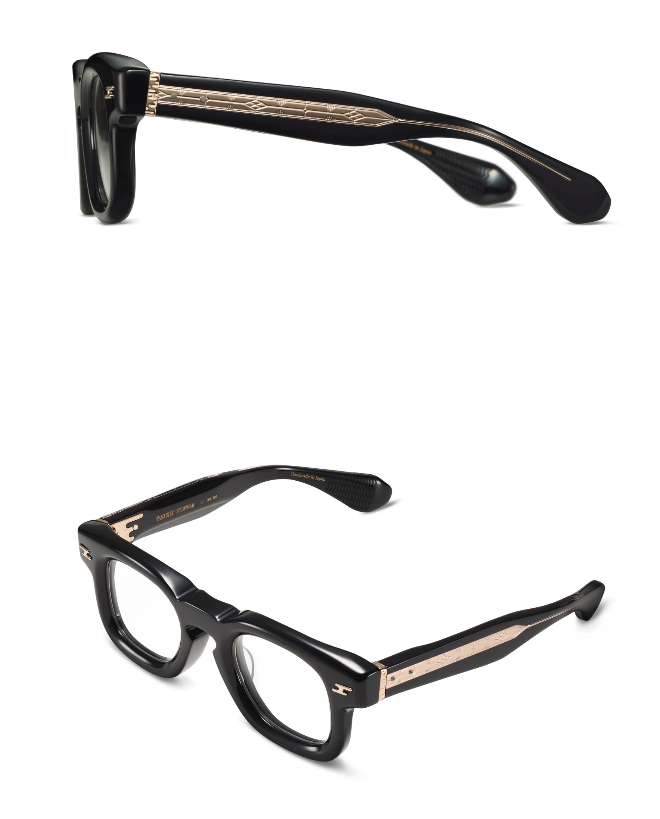
Matsuda sunglasses command premium prices because they combine intricate Japanese craftsmanship with highly distinctive design. Artisans handcraft frames in Sabae, Japan, using premium titanium, acetate, and precious metal finishes. Production can involve more than 250 individual manufacturing steps, including hand engraving, polishing, and assembly.
However, buyers are not only paying for craftsmanship. Matsuda has also built a strong reputation for its architectural aesthetics, Art Deco influences, limited production runs, and collector appeal. As a result, the brand occupies a similar position to luxury watchmakers and fashion houses where heritage, design identity, and exclusivity contribute alongside manufacturing quality.
Some of the best Japanese luxury sunglasses brands include Matsuda, Masunaga, 999.9 Four Nines, KameManNen, and Kaneko Optical. These brands have earned international recognition for their craftsmanship, premium materials, and meticulous manufacturing standards.
For buyers seeking more niche or collector-focused eyewear, brands such as Yellows Plus, BJ Classic Collection, Factory900, Yuichi Toyama, and Native Sons offer distinctive design philosophies and exceptional Japanese craftsmanship. Ultimately, the best brand depends on whether you prioritise heritage, technical innovation, minimalist design, or statement-making aesthetics.
For many buyers, Japanese sunglasses are worth the investment because they are often designed and manufactured to exceptionally high standards. Brands based in Sabae and Fukui are known for their expertise in titanium processing, precision engineering, hand-finishing, and small-batch production. Compared with many mass-produced luxury sunglasses, high-end Japanese eyewear frequently offers superior fit, durability, and attention to detail. While prices can be substantial, buyers are often investing in long-term craftsmanship rather than trend-driven fashion alone.
Japanese and Italian eyewear represent two of the world’s most respected manufacturing traditions, but they excel in different areas.
Japanese glasses are typically associated with precision engineering, titanium expertise, lightweight comfort, and meticulous craftsmanship. In contrast, people celebrate Italian designer eyewear for bold design, fashion influence, acetate craftsmanship, and luxury styling rooted in Italy’s rich luxury heritage. Neither is objectively better. Buyers seeking technical refinement and understated luxury often favour Japanese eyewear, while those drawn to expressive design, fashion heritage, and Italian acetate may prefer Italian brands.
Many of the world’s finest luxury sunglasses brands manufacture their glasses in Japan. Japan’s reputation for superior sunglasses craftsmanship has inspired several international luxury brands to also manufacture their frames there. For example, Jacques Marie Mage, DITA, and Cutler and Gross produce many of their premium eyewear collections through specialist Japanese factories, particularly in Fukui Prefecture.
No. Los Angeles designer, Jérôme Jacques Marie Mage, founded American luxury eyewear brand, Jacques Marie Mage.
However, many Jacques Marie Mage frames are handcrafted in Japan using premium materials and traditional manufacturing techniques. This combination of French-inspired design, American brand identity, and Japanese craftsmanship has helped establish Jacques Marie Mage as one of the most sought-after luxury eyewear brands in the world.

Leave A Comment