


Does Oily Skin Need Moisturizer? Best Types and Why
Home » Luxury Beauty Guides & High-End Skincare »
Does oily skin need moisturizer? Yes. Oily skin still needs moisturizer as part of a well-balanced skincare routine for oily skin types. Even when your skin produces plenty of sebum, that does not mean it has all the water and barrier support it needs.
The key is choosing the right type of moisturizer for oily skin types. Lightweight, water-based formulas containing humectants such as glycerin, hyaluronic acid, urea or beta-glucan can help increase hydration without adding a heavy layer of oil. Oily skin-friendly ingredients such as dimethicone can also help reduce water loss whilst keeping the finish comfortable on oily or acne-prone skin.
So, moisturizing oily skin is less about adding more oil. Rather, hydration means maintaining the right balance of water, lipids and barrier protection. The goal is hydrated, comfortable skin without an unnecessarily heavy or pore-clogging-feeling formula.
In this guide, we’ll look at why oily skin needs moisturizer, in addition to how sebum and hydration differ. Learn which moisturizing ingredients are most useful for oily and acne-prone skin, and how to choose a lightweight moisturizer that fits into your skincare routine.

Why Is My Skin Oily? Understanding Sebum Production
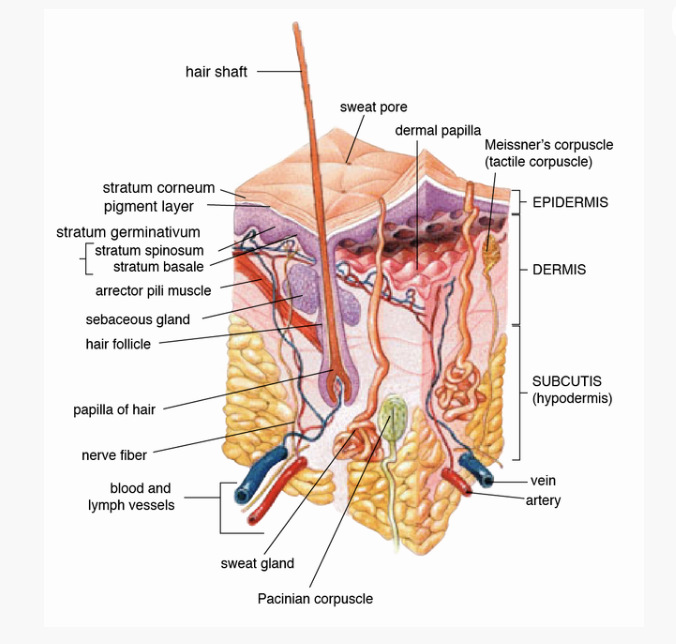
Oily skin is characterised by excess sebum production from the sebaceous glands, which are located within hair follicles throughout the skin. Sebum is a complex mixture of lipids, including triglycerides, free fatty acids, wax esters, squalene, and cholesterol.
It helps lubricate the skin, forming a barrier to protect it from environmental stressors and reduce water loss.
When sebum production becomes excessive, however, oily skin can become more prone to shine, enlarged-looking pores, congestion and acne. Understanding how sebum behaves helps explain why oily skin can still benefit from proper hydration.
What Causes Excess Oil Production in Oily Skin?
Oily skin can be influenced by several factors, including genetics, hormones, age and environmental conditions.
Androgens such as testosterone stimulate the sebaceous glands and can increase sebum production, which is one reason oiliness and acne can become more pronounced during hormonal changes.
Excess sebum is also only one part of the picture. Changes in the composition of sebum, abnormal shedding of skin cells within the follicle and inflammation can all contribute to clogged pores and acne.
How Excess Sebum Can Contribute to Clogged Pores
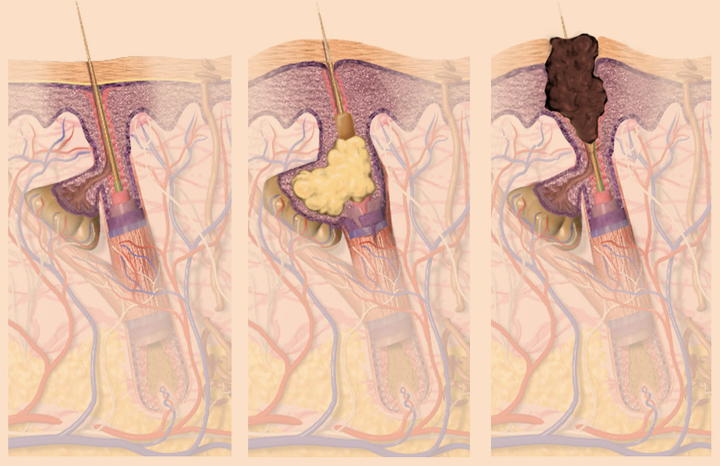
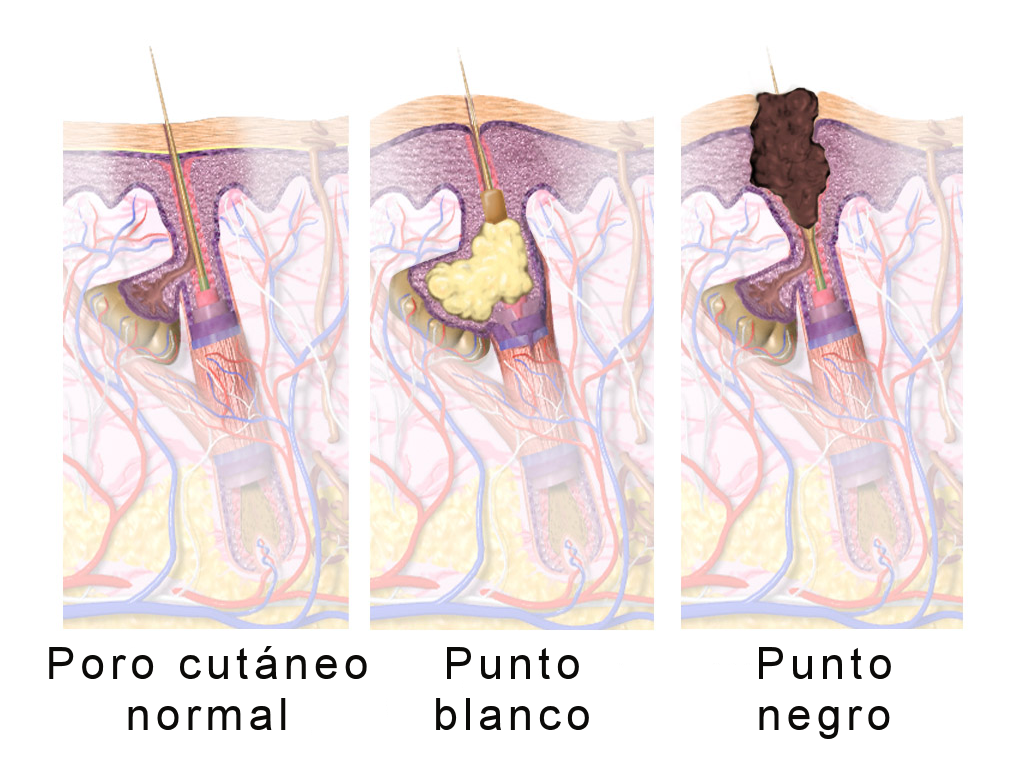
Excessive sebum can also interact with dead skin cells, dirt, and other debris on the skin’s surface and accumulate within hair follicles.
This can lead to the formation of clogs within the pores, which can also create a favourable environment for acne-causing bacteria to grow.
How Oily Skin Can Contribute to Acne
Sebum also contains squalene, which can undergo oxidation. Oxidised squalene has been associated with comedone formation and inflammatory processes in acne.
Alongside excess sebum, abnormal follicular keratinisation and inflammation, this can contribute to the development of whiteheads, blackheads and inflammatory acne lesions commonly seen in oily, acne-prone skin types.
Does Oil Hydrate Skin?
The short answer is no — oil and water provide different types of skin support.
The sebaceous glands produce sebum, an oil-based mixture that helps lubricate the skin and protect its barrier.
However, sebum does not ‘replace’ the need for a topical moisturiser because it oil is not a hydrating agent. Oil helps prevent water loss by forming a hydrophobic layer on the skin’s surface. Though, oil does not provide the same type of hydration as ingredients such as glycerin, urea or hyaluronic acid, which possess the ability to attract or bind water molecules to the skin.
Occlusive ingredients can help reduce the evaporation of water from the skin, but that is different from attracting and binding water within the stratum corneum. Humectants perform the latter role by increasing the skin’s water content.
This distinction is particularly useful for oily skin: you can have plenty of surface oil while still benefiting from additional hydration.
Can Moisturizer Make Oily Skin Worse?
A common assumption is that adding moisturiser to oily skin could make it even oilier. Though, in practice, the effect depends heavily on the formulation.
A lightweight moisturiser (whether added as part of an evening skin care routine, or before layering with makeup) can provide hydration and support the skin barrier without necessarily adding a heavy, greasy layer to the skin.
Personally, I have previously tested new moisturisers, applying them before going to sleep and woken up with oily skin (whilst noting oily skin can have other causes). Whenever this has happened, I have changed my night-time skin care routine moisturiser to a more lightweight, water-based moisturiser, preferably to those which absorb quickly to reduce product transfer to my pillow.
How Does Moisturizer Hydrate the Skin?
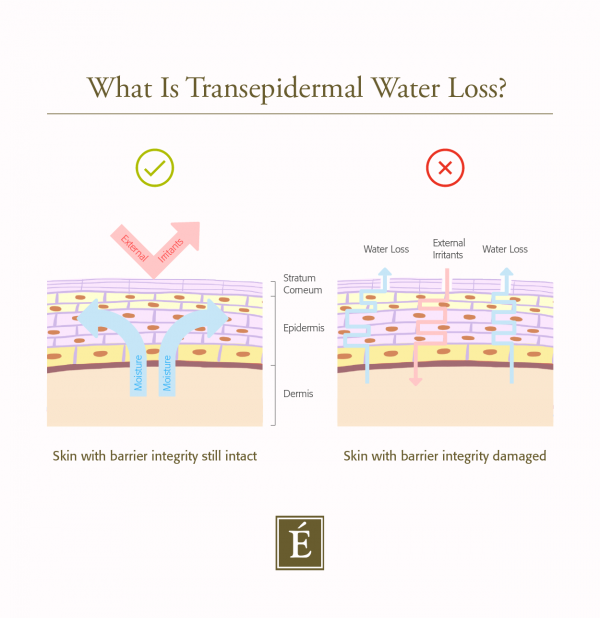
Moisturizers work through a combination of humectants, emollients and occlusives. Humectants help attract and retain water in the stratum corneum. Emollients soften and smooth the skin by filling spaces between skin cells. Meanwhile, occlusives form a surface layer that helps reduce transepidermal water loss (TEWL).
Most moisturizers use a combination of these ingredients rather than relying on just one. Additionally, specific types of moisturiser ingredients (discussed below) help attract or retain water molecules to the surface of the skin.
Can Oily Skin Be Dehydrated?
Yes. Oily skin can still be dehydrated because oil and water are not the same thing. A person can have increased sebum production, whilst the stratum corneum does not contain enough water for optimal hydration.
Specifically, cleansing, exfoliation, low humidity and other environmental or skincare factors can affect barrier function and increase water loss. This can leave skin feeling tight, rough or irritated and inflamed, despite an oily surface.
Why Does Oily Skin Need Moisturizer?
Oily skin still loses water throughout the day, particularly when the skin barrier is exposed to cleansing, exfoliation, low humidity or other environmental stressors. Moisturizer helps support the stratum corneum by increasing hydration and reducing water loss.
The important distinction is that oily skin does not necessarily need a rich, oil-heavy cream. Lightweight formulations can combine humectants, emollients and gentle occlusives to hydrate the skin whilst maintaining a comfortable finish.
What Is TEWL and Why Does It Matter for Oily Skin?
How TEWL Can Affect Oily Skin
Transepidermal water loss (TEWL) is the passive movement of water from the skin through the epidermis and into the surrounding environment.
When barrier function is impaired, more water can escape from the skin, potentially contributing to dryness, roughness and irritation.
Moisturizers can help counter this by increasing skin hydration and, depending on their formulation, reducing water loss.
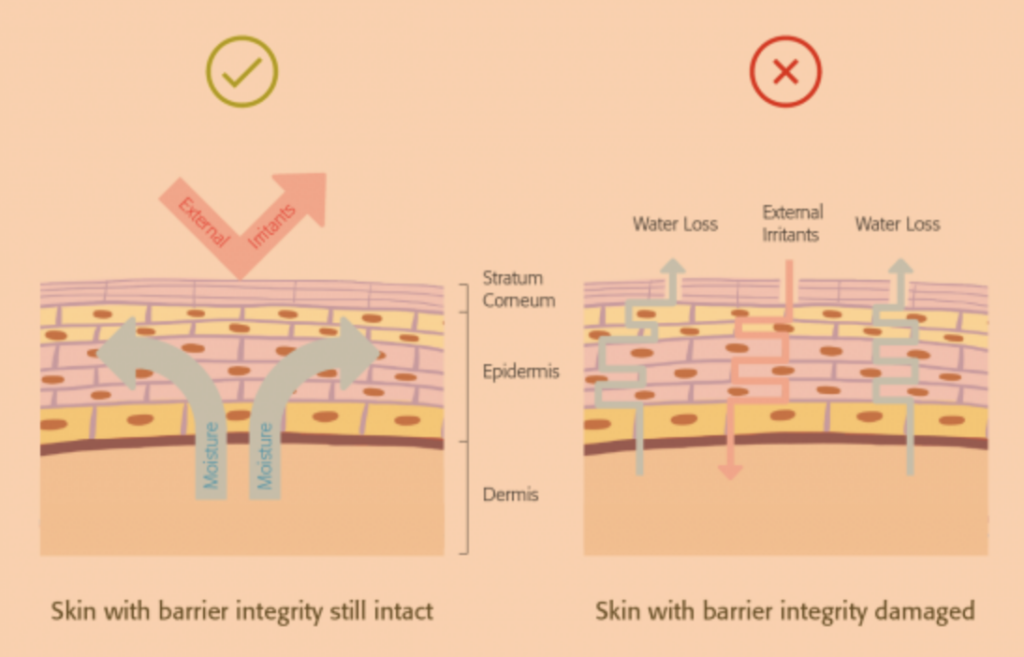
How Skin Loses Water
- Water naturally moves from the deeper layers of the skin towards the surface and evaporates into the surrounding environment.
- Low humidity or exposure to cold or dry weather and other environmental conditions can accelerating water evaporation from the skin.
- Cleansing and irritation can also affect the skin barrier, potentially increasing TEWL.
- A well-functioning stratum corneum helps limit this water loss through its organised lipid structure and natural moisturising factors.
Best Moisturizing Ingredients for Oily Skin
Moisturizers generally combine three main types of ingredients: humectants, emollients and occlusives. Each works differently, and oily skin can benefit from all three depending on the overall formulation and how the skin feels.
Emollients for Oily Skin
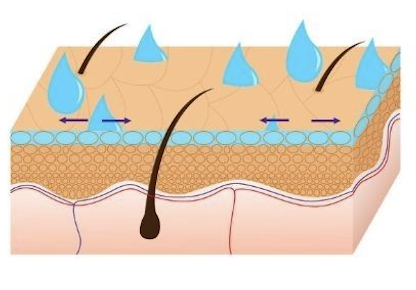
Emollients help smooth and soften the skin by filling spaces between corneocytes and improving the feel and flexibility of the skin. They can include lipids, fatty acids, esters and silicones, and are often combined with humectants and occlusives in moisturizers.
Though, for oily skin, the question isn’t simply whether a moisturizer contains an emollient.
The overall formulation, texture and individual skin response matter more than treating all oils or emollients as pore-clogging.
Light Occlusives for Oily Skin
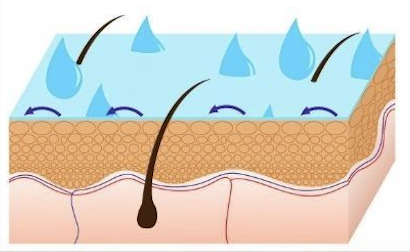
Occlusives form a protective hydrophobic layer over the skin that helps slow the evaporation of water and reduce TEWL.
For oily skin, lighter-feeling occlusives such as dimethicone can be useful because they can reduce water loss without necessarily giving the skin the heavy, greasy feel associated with some richer formulations.
Dimethicone is also widely used in moisturizers formulated for acne-prone and sensitive skin.
Humectants for Oily Skin
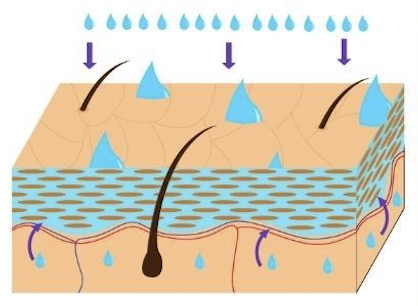
Humectants attract and retain water, helping increase the water content of the stratum corneum. Common examples include glycerin, urea, hyaluronic acid, sorbitol and beta-glucan.
This makes humectants particularly appealing in lightweight moisturizers for oily skin: they provide hydration without relying on a large amount of oil or a heavy occlusive base.
A good moisturizer usually combines different types of moisturizing ingredients because humectants alone don’t necessarily prevent water loss. Glycerin and dimethicone are commonly combined for this reason.
Why I Prefer Humectant-Rich Moisturizers for Oily Skin
I highly recommend looking for humectant-based moisturisers if you have an oily, acne-prone skin type like me.
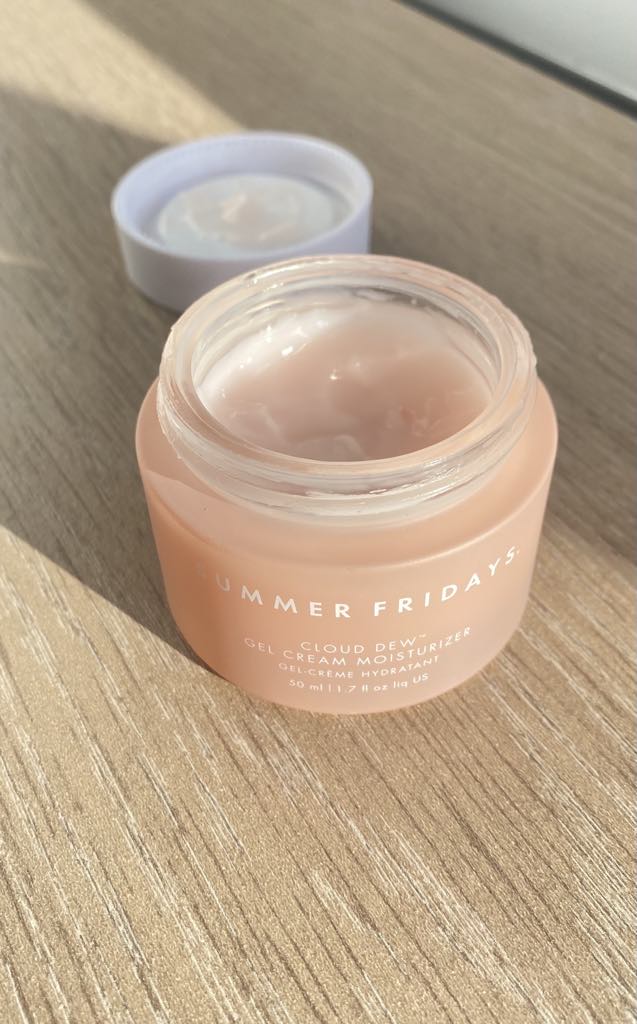
They give my skin that comfortable, hydrated and plumper feeling without needing a heavy, oil-rich formula. I have also found that well-formulated gel creams can leave my skin looking smoother while keeping the finish much more comfortable throughout the day.
See The Redefined Feminine review of the Summer Fridays Cloud Dew Gel Cream Moisturizer here as one of my personal favourites.
How Do Humectants Hydrate Oily Skin?
How Humectants Attract and Hold Water
Humectants are hygroscopic ingredients, meaning they have an affinity for water. Ingredients such as glycerin, urea and hyaluronic acid can increase water content in the stratum corneum by attracting and retaining water via hydrogen bonding.
The skin’s own natural moisturising factors (NMFs), which include amino acids, urea and other water-binding substances, perform a similar role in maintaining hydration.
Why Humectants Work Well in Lightweight Moisturizers
Because humectants focus on increasing water content rather than simply adding oil, they are particularly useful in lightweight moisturizer formulations for people who dislike the greasy feel of richer creams.
Why Skin Hydration Supports Exfoliation
A moisturised skin barrier plays a pivotal role in facilitating exfoliation by providing the necessary hydration for enzymatic processes.
Within the stratum corneum, certain enzymes rely on water molecules to effectively break down proteins like keratin, which bind dead skin cells together. These enzymes are essential for exfoliation as they promote the gentle removal of dead skin cells, thereby clearing pores and encouraging higher cell turnover.
How to Choose the Best Moisturizer for Oily Skin
The best moisturizer for oily skin isn’t necessarily the lightest formula on the shelf or one labelled completely “oil-free.” Instead, look at the overall formulation and choose ingredients that provide hydration and barrier support without leaving your skin feeling excessively greasy or congested.
When comparing moisturizers, pay attention to texture, humectants, occlusives, emollients and whether the product is labelled non-comedogenic, particularly if you are also prone to acne.
Should Oily Skin Use Oil-Free or Water-Based Moisturizer?
Not necessarily — but lightweight, water-based and gel-cream formulas can be particularly comfortable for oily skin.
Look for moisturizers described as lightweight, gel-based, water-based or non-comedogenic if you prefer a less greasy finish or are prone to clogged pores.
Humectants such as glycerin and hyaluronic acid can provide hydration, while ingredients such as dimethicone can help reduce water loss without requiring a heavy oil-rich texture.
How to Build a Skincare Routine for Oily Skin
A balanced skincare routine for oily skin doesn’t need to be complicated. Start with a gentle cleanser, such as the Murad Time Release Acne Cleanser, to remove excess oil, impurities, and wash away sunscreen. Follow up with a hydrating serum or lightweight moisturizer to support the skin barrier. Then, finish with applying non-clogging sunscreen daily to protect against UV exposure.
The Redefined Feminine recommends opting for a lightweight, water-based moisturizer with plenty of quality, natural humectants to add humectants to add hydration without triggering overproduction of oil.

Leave A Comment