


Top 50 Luxury Bag Brands in the World (2026 High-End Handbags)
Home » Luxury Fashion Guides » Luxury Bag Brands Guides for Women »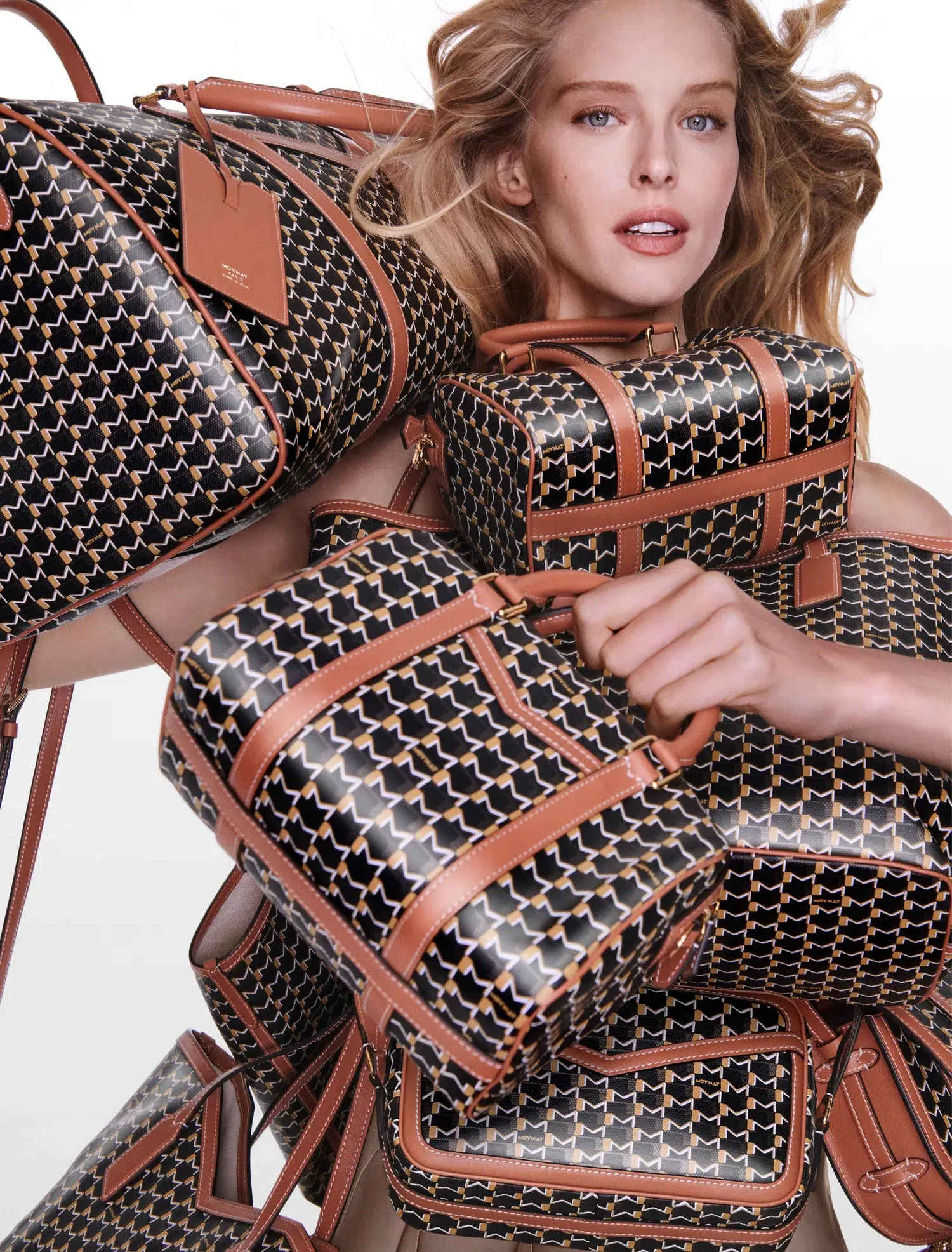
The top 50 luxury bag brands represent far more than status; they define the highest standard of craftsmanship, heritage, and enduring design in the world of leather goods. In this curated guide, you will see recognisable names from the top luxury fashion brands. However, you will also discover the Italian leather specialists, Japanese maisons, top French purse brands and other independent ateliers that shape the quiet luxury handbag landscape through material innovation, artisanal technique, and cultural influence. From hand-saddle stitching and single-artisan construction to rare material sourcing and advanced leather finishing, these houses exemplify what elevates true luxury beyond aesthetics.
In this article, the top 50 luxury bag brands are thoughtfully organised into categories, including heritage luxury handbag brands, quiet luxury bag makers, bespoke leather houses, modern luxury brands, niche leather specialists, and understated artisanal ateliers. Within each, you will find insight into brand history, construction techniques, and the design philosophies that elevate these high-end handbag brands to the highest echelons. From iconic silhouettes to niche craftsmanship, this is a considered reference for those asking, what are the top luxury handbag brands for elegant ladies, and more importantly, why they hold that distinction.
ICONIC DESIGNER MAISONS
Section I: Heritage Luxury Handbag Brands
These heritage maisons represent the foundation of luxury leather craftsmanship. Defined by decades—often centuries—of savoir-faire, these houses produce some of the most iconic handbags in the world, combining archival design codes with meticulous handcrafting techniques and the finest leathers available.
Hermès
PINNACLE OF THE TOP 50 LUXURY BAG BRANDS
Thierry Hermès founded his eponymous brand in 1837 as a specialised harness workshop in Paris. Today, Hermès has evolved into the undeniable apex of the top 50 luxury bag brands in the world due to their uncompromising heritage and exclusivity.
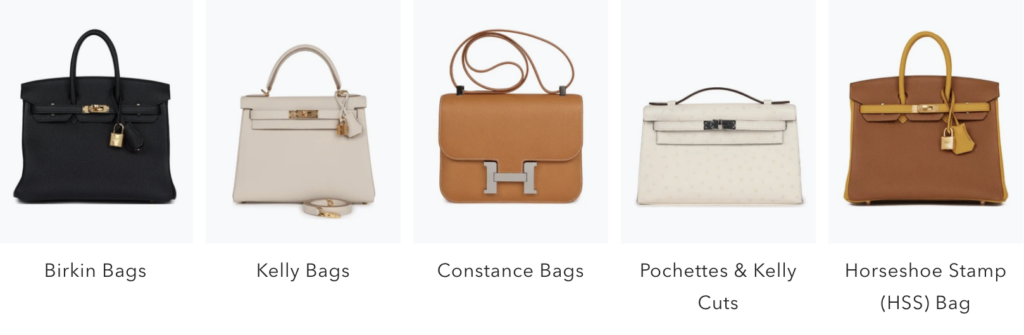
Artisans train for a minimum of five years before they may craft the brand’s two most icons: the Birkin and the Kelly, which are infamously some of the most expensive handbags in the world. Each bag requires up to 48 hours of labour, as a single artisan hand-stitches the piece from start to finish using the saddle-stitch technique.
saddle-stitch
The saddle-stitch involves using two needles simultaneously on a single linen thread. The artisan interlocks a single thick, beeswax-coated linen thread in the middle as they insert one needle into the hole from the left, while the other needle enters from the right.
If one stitch ever breaks, the other remains intact, ensuring the bag never unravels—a feat impossible for machine-made goods to replicate.
Hèrmes leathers
Whilst many collectors favour the hardy Togo or scratch-resistant Epsom leathers, true bag connoisseurs seek out the rare vegetable-tanned leathers, which Hermès processes in-house.
Furthermore, Hermès maintains total control over its supply chain by owning its tanneries. This allows them to ethically source and trace exotic skins, such as the matte Niloticus crocodile, ensuring each heirloom investment meets rigorous standards.

Louis Vuitton
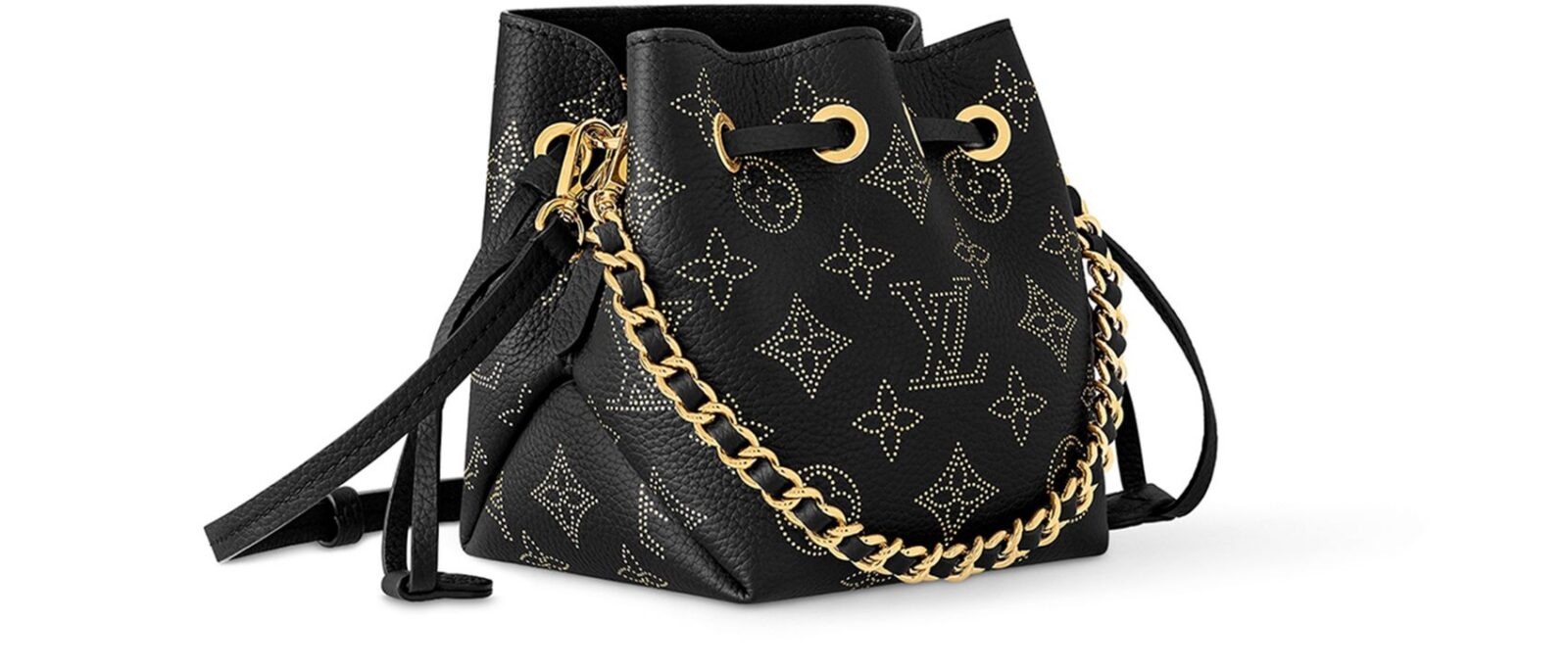
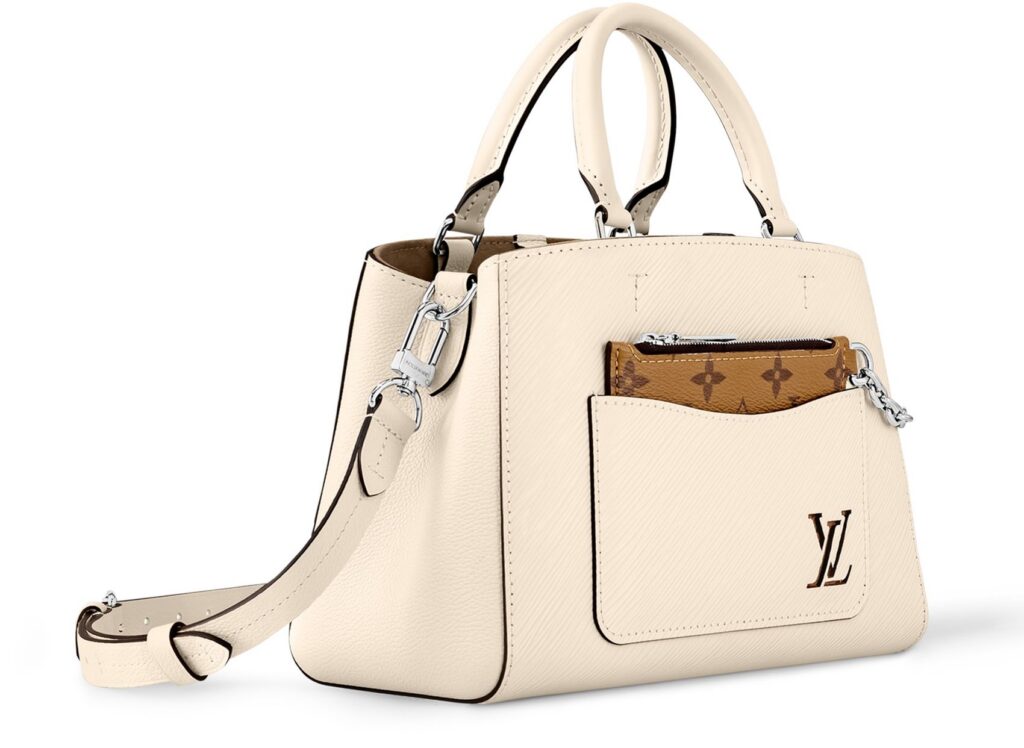
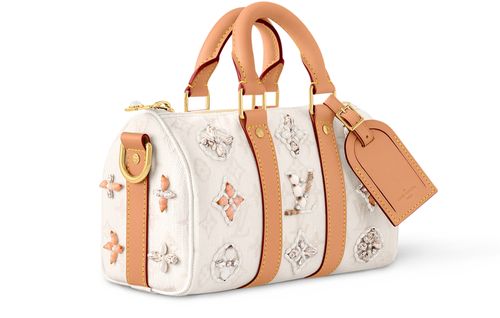
Louis Vuitton revolutionised travel in 1854 as a Parisian trunk-maker, introducing flat-top trunks that replaced rounded, unstackable luggage. This spirit of innovation continues as the French maison handcrafts modern staples like the Capucines and Petite Malle in France, Spain, and the U.S.
MASTER OF FUNCTIONAL ART
Many enthusiasts overlook the complexity of how Louis Vuitton’s signature canvas is made. To achieve its legendary durability, the brand uses a unique bonding process that pairs high-grade cotton with a PVC coating. This makes the bags virtually water-resistant and scratch-proof.
For leather purists, the Capucines line, named after Rue des Capucines where the first LV store stood, utilises Taurillon leather. This is a premium bull calfskin prized for its natural grain and “memory,” allowing the bag to retain its shape over decades. Every piece of hardware undergoes a multi-layer paint finish to prevent tarnishing, cementing its place among the top 50 luxury bag brands.
Chanel
Gabrielle “Coco” Chanel revolutionised the fashion landscape in 1910 by abandoning corsets for comfortable jersey fabrics. She extended her philosophy of functional liberation and rejection of restrictive fashion to accessories in 1955 with the 2.55 handbag.
THE ARCHITECTURE OF ELEGANT LUXURY BAGS
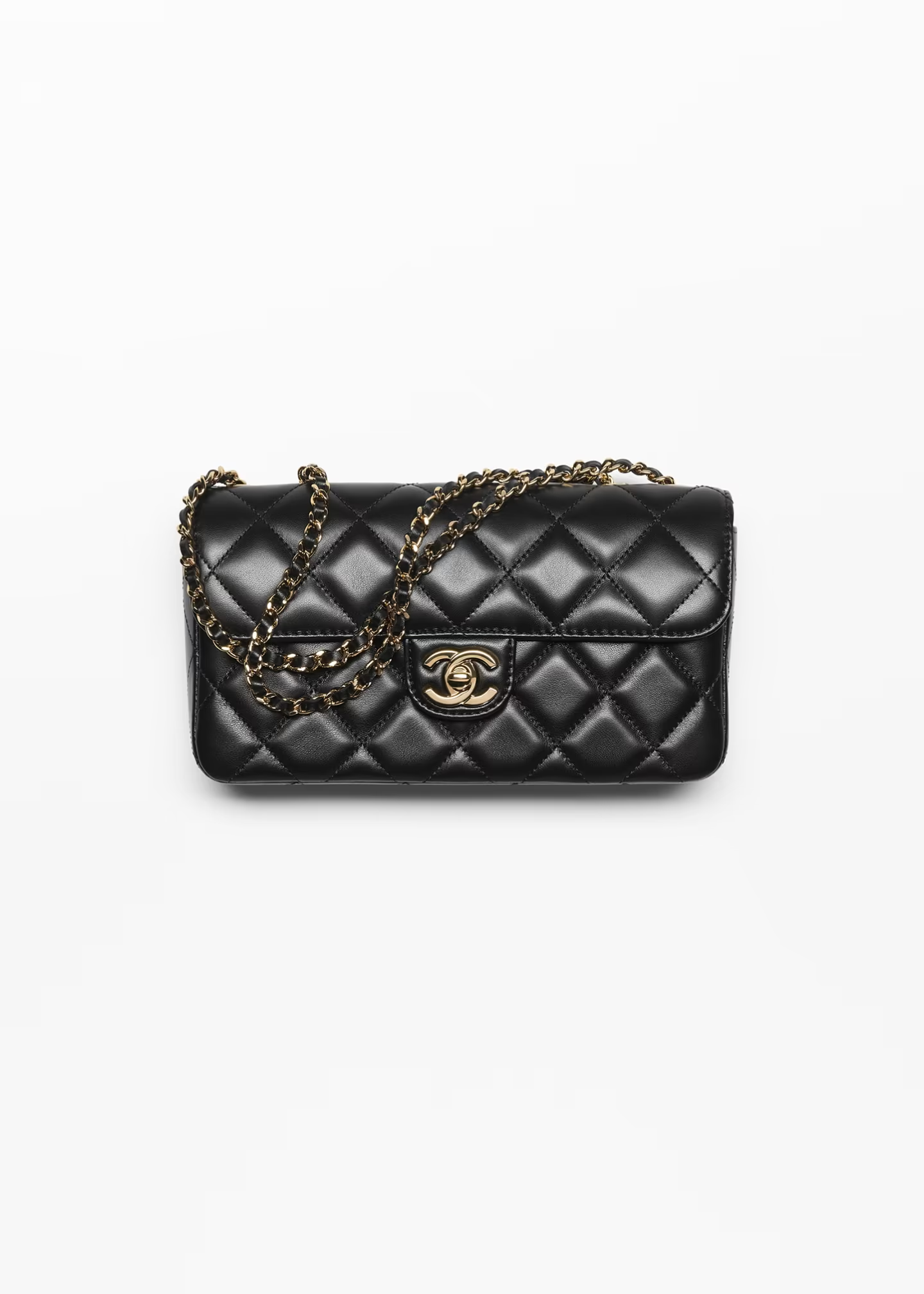
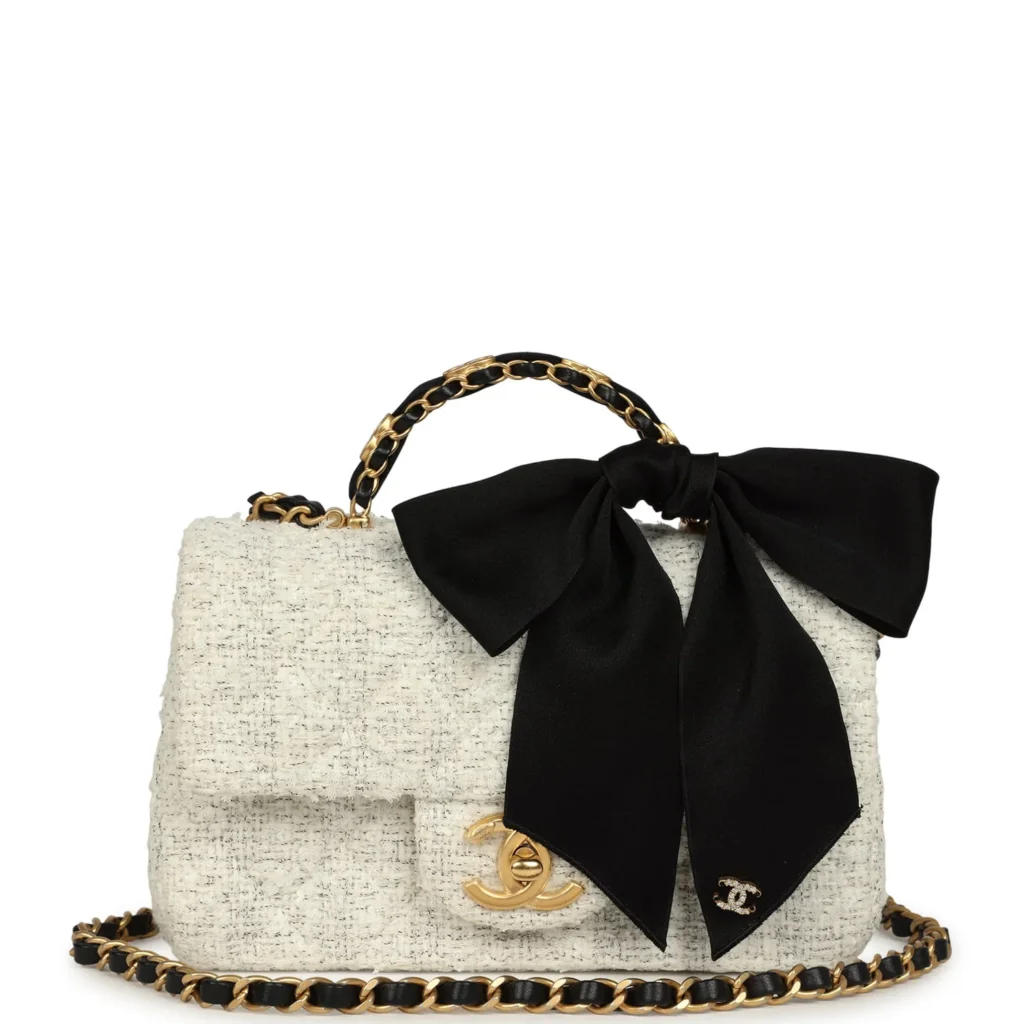
Named for its February 1955 launch, the 2.55 bag added a shoulder strap for the first time, freeing women’s hands. Today, the 11.12 “Classic Flap” bag, refined by Karl Lagerfeld with the iconic CC clasp, remains a cornerstone of the top 50 luxury bag brands.
Moreover, Chanel often sources Caviar leather (pigmented calfskin) for its pebbled durability or buttery lambskin for a more delicate finish. Inside, the signature burgundy lining carries historical weight; it reflects the colour of the uniforms Chanel wore during her childhood in the Aubazine orphanage. Hence, this fusion of personal storytelling and rigid construction makes Chanel a perennial favourite for serious collectors.
CHANEL BAG CRAFTSMANSHIP AND MÉTIERS d’ART COLLECTIONS
Artisans in French and Italian ateliers execute over 180 meticulous manufacturing steps for every bag. Central to this process is the piqué-retourné technique: a traditional method in which leather panels are stitched inside out and then carefully turned to achieve smooth, rounded edges with no visible seams. Meanwhile, in specialised French workshops, including the atelier in Verneuil-en-Halatte since 1990, production is highly segmented. Some artisans focus on precise leather cutting for optimal grain alignment, whilst others specialise in perfectly balanced diamond quilting, or edge-dyeing and polishing.
For their Métiers d’Art collections, the production process is further refined. Chanel collaborates with renowned heritage ateliers such as Lesage, an esteemed Parisian embroidery house known for intricate handwork using beads, sequins, and gold thread, and Lemarié, who specialises in featherwork and delicate textile embellishments, including camellias. Their involvement signifies the highest level of French artisanal savoir-faire. Pieces often require hundreds of hours to complete, elevating each handbag into a true objet d’art.
Gucci
Guccio Gucci founded his house in 1921 to cater to the Italian equestrian elite. The brand’s history is still visible in the horsebit hardware and green-red-green web stripes. Particularly, the colourful stripes are a signature Gucci webbing motif introduced in the 1950s, inspired by the girth strap used to secure a horse’s saddle.
In 2026, the brand continues to dominate the top luxury handbag brands by blending classic 1970s Gucci bag shapes with avant-garde textures, such as layering accented strips of shearling, feathers, goat hair, or muslin.
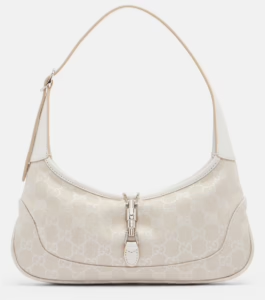
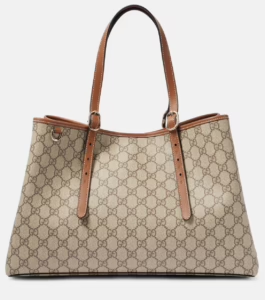
Craftsmanship remains centred in Florentine workshops, notably for bags like the Marmont, Jackie 1961, and Bamboo. Artisans use a hand-lathing process for the Bamboo handle bags, whereby they head and bed raw bamboo over an open flame to create a perfect arc. Because no two bamboo stalks are identical, each handle is a unique sculpture.
Additionally, Gucci now also uses responsibly sourced leathers. Its Off the Grid collection utilises recycled ECONYL, a regenerated nylon made from abandoned fishing nets.
Prada
Mario Prada founded Prada in 1913. The brand rose to global prominence under the leadership of his granddaughter, Miuccia Prada. in the late 1980s, the brand’s pioneering use of nylon in luxury bags revolutionised high fashion.
THE REVOLUTION OF INDUSTRIAL LUXURY: PRADA’S SUSTAINABLE NYLON
During the 80’s, luxury was defined by rare skins and visibly expensive materials. Conversely, Prada disrupted this standard by elevating a utilitarian fabric into a status symbol.
Prada’s nylon was not ordinary; it uses high-grade, industrial-strength nylon (Pocono nylon) originally used in military tents and parachutes. The fabric is characterised by a dense, tightly woven, silky texture. It offers a superior durability, water resistance, and a distinct lustre not found in lower-quality, fast-fashion nylon which degrades quickly.
PRADA’S SAFFIANO LEATHER
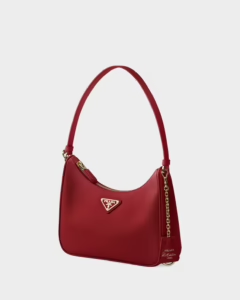
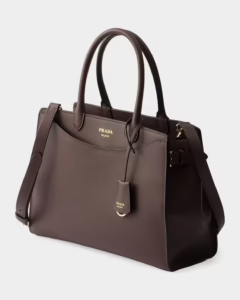
The brand’s hallmark Saffiano leather reinforces this philosophy. Prada’s proprietary Saffiano leather is hot-pressed to create a crosshatch texture, making it water-resistant and nearly scratch-proof. Tanneries apply this treatment to the bags, made in Tuscany and Umbria, to achieve consistency, longevity, and a refined matte sheen that holds its shape over time. Today’s bestsellers include the Cleo, Galleria, and Re-Edition styles.
Saint Laurent
Pierre Bergé and Yves Saint Laurent and Pierre Bergé founded YSL in 1961. Since then, the luxury brand has embodied a specific brand of rebellious Parisian elegance.
This identity draws directly from the Rive Gauche (the Left Bank of the Seine River in Paris). It has long been associated with artists, intellectuals, and a more progressive, unconventional way of living in 1960s Paris.
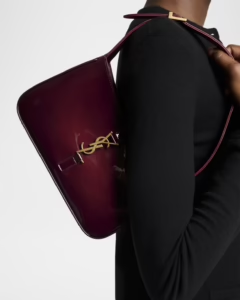
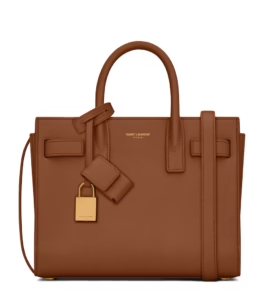
Yves Saint Laurent translated this cultural energy into fashion in 1966 with the launch of Saint Laurent Rive Gauche. This marked the first prêt-à-porter line designed to liberate women from the rigid formality of haute couture.
That same spirit continues to define the house today. Creative directors preserve this legacy through sharply structured handbags that require multiple stages of moulding and edge painting. Iconic understated styles like the Sac de Jour, Sunset, and LouLou are crafted in Italy using box calfskin, grain de poudre leather, and suede, reflecting quiet authority over excess.
Goyard
Established in 1853, Goyard remains the most mysterious name amongst the top 50 luxury bag brands. The house famously avoids advertising and celebrity endorsements, relying instead on word-of-mouth and extreme exclusivity.
Whilst Goyard does not partner with third-party online retailers, trusted luxury consignment and resale platforms carry pre-owned, authenticated Goyard items.
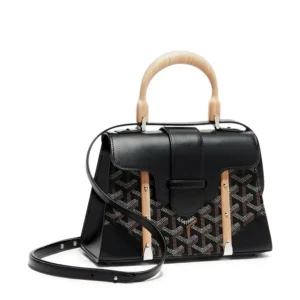
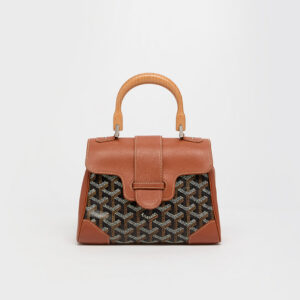
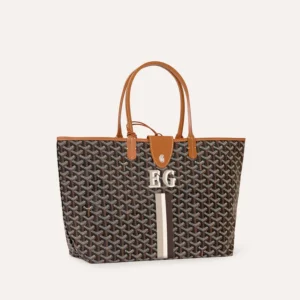
The Goyardine canvas, created in 1892, remains a technical marvel. It consists of a blend of cotton, hemp, and linen. Artisans hand-paint the lightweight, water-resistant canvas with the signature chevron pattern.
Interestingly, each chevron pattern is structurally intended to form a “Y” on the canvas to represent a log, a nod to the Goyard family’s history as log drivers.
Furthermore, the internal construction often features hand-lathed wooden stiffeners. This technique, borrowed from 19th-century trunk-making, ensures that even their lightweight totes maintain a refined structure.
Each Saint Louis tote can be personalised with monograms or custom motifs also painted by in-house artisans. Production is limited, and many clients wait months for bespoke orders.
Bottega Veneta
Founded in 1966 in Vicenza, Bottega Veneta is world-renowned for its Intrecciato, a complex hand-woven leather technique.
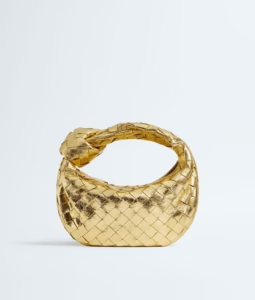
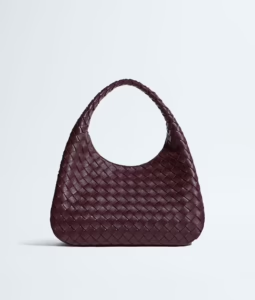
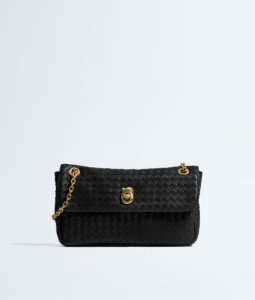
Intrecciato involves cutting strips of premium Nappa leather and weaving them through a pre-cut leather panel. This creates a dual-layered body that is incredibly strong yet stays soft and flexible.
Unlike stitched seams, this method creates bags with no exposed edges. Therefore, because the weave itself provides the bag’s structure, many styles require no internal liners or heavy hardware. This results in a “quiet luxury” aesthetic.
Popular styles like the Pouch, Cassette, and Jodie are produced in a single Italian atelier where one artisan typically oversees the entire creation of each piece, ensuring total consistency in the tension of the weave. Moreover, the brand sources premium Nappa leather from European tanneries that age beautifully over time.
Céline
MINIMALIST LUXURY LEATHER BAG MASTERY
Céline Vipiana founded Céline in 1945. The French maison Céline was founded in 1945 and is renowned for their refined minimalist bags, such as the Luggage Tote.
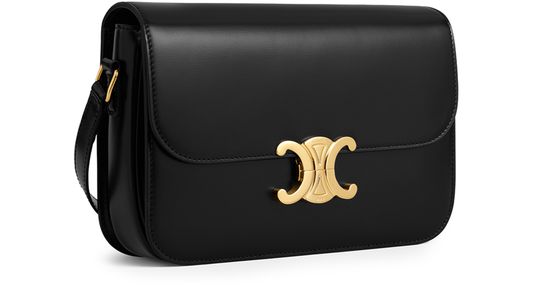
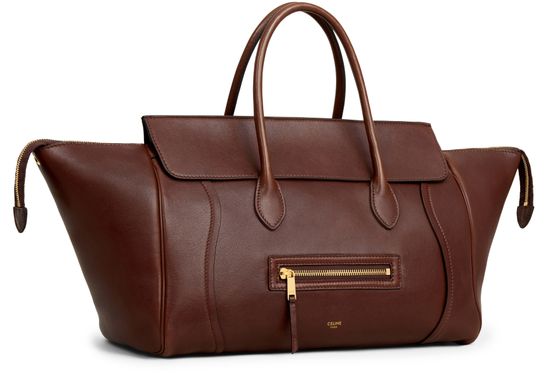
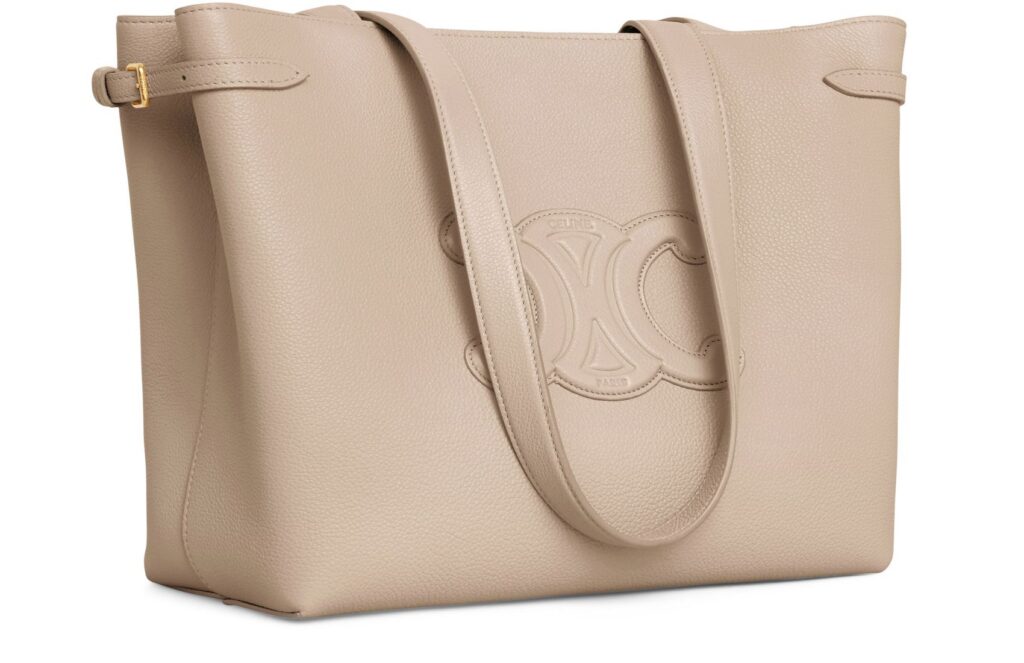
Under the current direction of Hedi Slimane, Céline has revitalized the Triomphe motif, which originally debuted in 1972. The logo’s double-C link was inspired by the chain surrounding the Arc de Triomphe in Paris. This historic emblem now anchors many of the brand’s most recognisable handbags.
Céline’s enduring appeal lies in its exceptional leather work. The house favours “skin-like” natural calfskin that undergoes minimal processing, allowing each bag to develop a rich, individual patina over time.
In Italian workshops, artisans employ meticulous, hand-led techniques usually reserved for haute couture to achieve this level of finish. Each bag is constructed from numerous precisely cut panels of natural calfskin, then carefully assembled to preserve structure and fluidity.
Edges are repeatedly sanded, painted, and polished in multiple stages to create a seamless, lacquered finish. The leather undergoes high-quality tanning and controlled dye application to ensure deep, even colour saturation that does not flake or fade.
Delvaux
THE WORLD’S OLDEST LUXURY HOUSE
Charles Delvaux established Delvaux in Brussels in 1829 as a luxury trunk maker. Remarkably, Delvaux is the oldest fine leather goods house in the world, predating the founding of the Belgian state and Hermès itself.
As the official Royal Warrant Holder to the Belgian Court, the house operates with a level of prestige few can match, producing bags in small batches in France and Belgium.
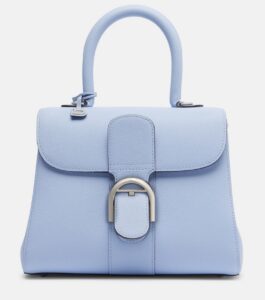
The construction of their signature “Brillant” bag is an architectural feat. Each piece requires over 8 hours and over 64 leather pieces to construct, and all edges are hand-painted for depth.
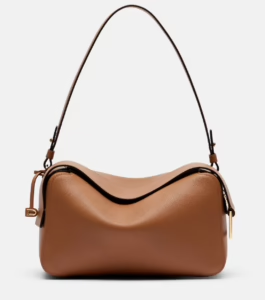
In fact, Delvaux maintains its own “leather library,” a colossal archive of hundreds of textures and grains dating back nearly two centuries. The company has accumulated this collection through a long history of crafting custom travel goods from a variety of high-quality skins, and later handbags, by meticulously cataloging over 3,000 designs and fabrics in their Livre d’Or (Golden Book) since 1908.
DELVAUX CRAFTSMANSHIP AND FINE ARTISTRY
Furthermore, the house utilises taurillon leather and box calf leather from the finest French and Italian tanneries to preserve softness and resist sagging. The brand also sources exotic skins like python, alligator, and lizard. Delvaux artisans emphasise savoir-faire of detail, for example in using a glazing technique for hand-polishing each bag.
They use a glass cylinder attached to a mechanical arm to apply significant pressure by hand to rapidly polish the bags. The friction generated by the glass cylinder produces heat, which compresses the leather fibres and raises natural oils to the surface. This precise finishing creates a deep, mirror-like sheen without using pigments that is both stiff and incredibly durable.
Loewe
THE SPANISH LEATHER AUTHORITY
Enrique Loewe Roessberg founded Loewe in Madrid, Spain in 1846. Loewe is LVMH’s oldest luxury fashion house, and is celebrated for its artisanal leather mastery.
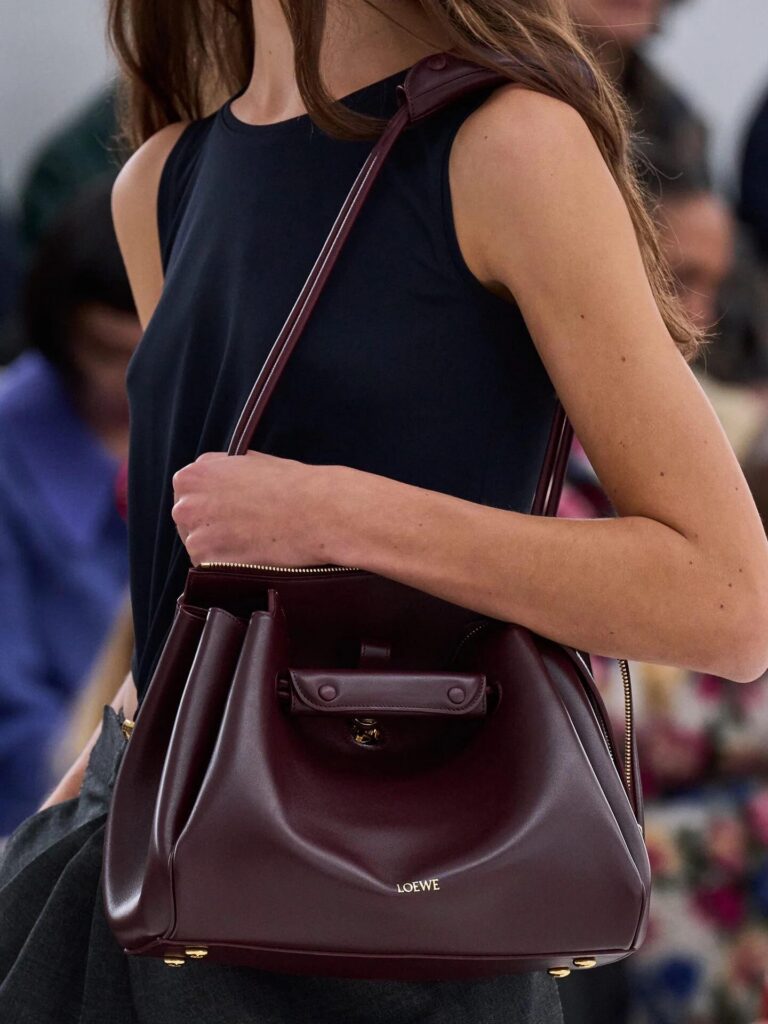
Under Jonathan Anderson’s creative direction, the brand stands out from its French and Italian competitors by blending traditional Spanish leatherwork with avant-garde design, treating leather as a structural medium for art. Specifically, Loewe revitalised heritage with sculptural, modern icons like the Puzzle and Flamenco bags that challenge traditional handbag structures.
Crafted in its Spanish ateliers, Loewe bags often feature Anagram embossing and hand-painted edges. For instance, the Puzzle bag features a cuboid shape made of 41 distinct leather panels. Artisans must fold and stitch these pieces with mathematical precision so the bag can collapse completely flat.
Additionally, Loewe uses vegetable-tanned leathers and a “water-finish” technique, which highlights the natural variations of the hide rather than masking them with heavy pigments.
Givenchy
ARISTOCRATIC EDGE
Hubert de Givenchy founded his namesake house in 1952, blending aristocratic restraint with Parisian edge. He was born in 1927 into a family that was raised to noble status by the French monarchy in 1713. This background influenced his refined and understated personal style.
Hubert’s “Givenchy Gentleman” design philosophy focused on simplicity, structure, and pure lines rather than excessive decoration. The Parisian “edge” comes from the reinterpretation of this classic style by various creative directors who added modern, sometimes “darkly romantic” or “architectural” elements to the brand’s historically clean designs.
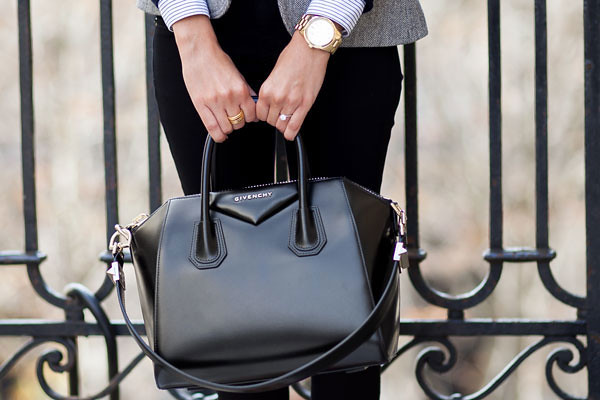
This legacy lives on in luxury bags such as the Antigona bag that launched in 2010. To achieve its rigid, architectural silhouette, Givenchy uses a thermo-fused lining. This technique involves bonding the leather to a structural fabric using heat.
Additionally, the heat-sealed leather and fabric is often moulded with internal stiffeners (rather than cut-and-sewn) for maximum shape retention. This thereby ensures the bag never sags or loses its “sharp” edges, even after years of use.
GIVENCHY LEATHERS
BOX CALFSKIN
Givenchy artisans craft the bags in Italy often using rigid box calfskin to achieve a high-gloss, smooth finish for a more structured look.
The rigid box calfskin provides a high-gloss, smooth finish that offers a structured look
FINE-GRAIN LEATHER
Meanwhile, Givenchy’s fine-grained (often goat) leather offers a textured, more scratch-resistant alternative.
This offers a textured, more scratch-resistant alternative.
GIVENCHY EXOTIC SKIN BAGS
Moreover, the Antigona bag is also available in exotic leathers such as ostrich, python, and crocodile.
Since 2023, Givenchy has transitioned to sourcing 74 per cent of its leather from Leather Working Group (LWG) certified tanneries, ensuring high-quality standards.
Miu Miu
THE PLAYFUL ARTISAN
A sister brand to Prada, Miu Miu was launched in 1993 by Miuccia Prada to explore a freer, more playful femininity.
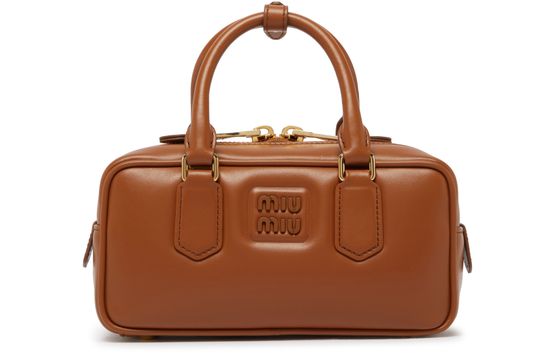
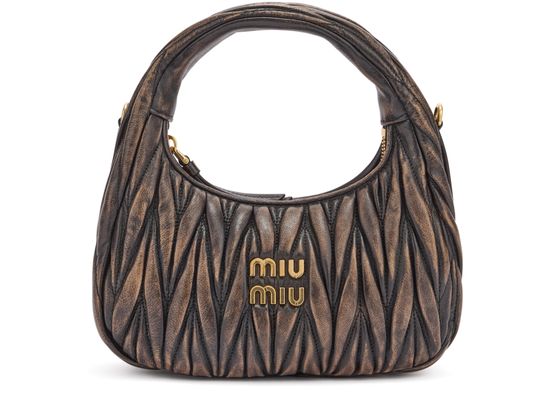
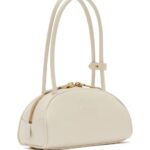
Its signature matelassé sewing technique mimics the look of a hand-stitched quilt. Artisans stitch layers of padded Nappa leather to create a “puckered” texture or 3D effect that is soft to the touch.
This labour-intensive process requires significantly more leather than a flat bag, adding a luxurious weight and tactile richness that has made Miu Miu a staple in the top 50 luxury bag brands.
The Wander and Vitello Lux styles capture retro flair whilst retaining Italian craftsmanship. Miu Miu’s leathers are often finished in-house with semi-aniline dyes to preserve softness while offering light protection.
Roger Vivier
THE JEWEL OF LUXURY HANDBAGS
Best known for inventing the stiletto heel, Roger Vivier launched his brand in 1937 and expanded into handbags with the same haute couture sensibilities. For example, his jewel-encrusted creations require over seven hours of meticulous handiwork, including the crafting of ornate handles, making them miniature masterpieces.
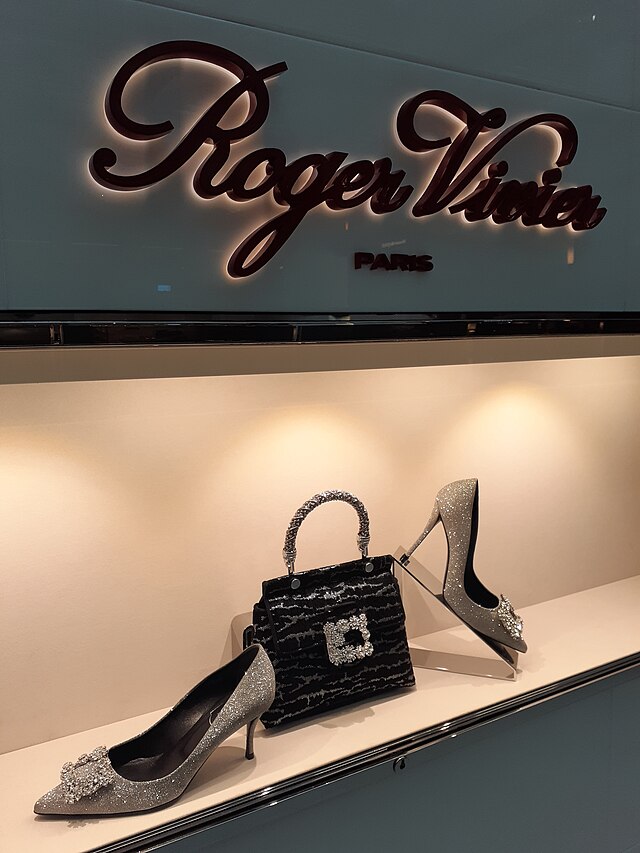
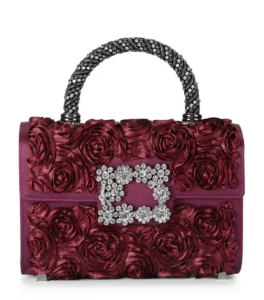
The brand specialises in ornamental luxury, often incorporating fine fabrics including satin, velvet, and intricate hardware that mirror the craftsmanship found in fine jewelry-making.
For instance, in their Italian workshops, artisans work with moiré silk and grosgrain-lined satin, materials that require extreme delicacy during the stitching process. The Viv’ Cabas and Miss Viv bags are distinguished by crystal-encrusted buckles, sculpted shapes, and satin or patent finishes.
Ferragamo
INNOVATION IN EVERY LINK
Salvatore Ferragamo founded his brand in Florence in 1927. Ferragamo pioneered orthopaedic footbed design following his studies in anatomy, mathematics, and chemical engineering at the University of Southern California (USC) in Los Angeles during the 1910s–1920s.
He was known by Italian press as the “Shoemaker to the Stars”. This referred to the bespoke footwear Ferragamo designed for celebrity clientele at the Hollywood Boot Shop he took over in 1923.
This dedication to anatomical perfection in the Italian luxury brand’s comfortable shoes carries over to their leather goods.
For example, Ferragamo engineers their handbags with the same durable leathers and specialised, lightweight, and rigid materials that hold their shape as their patented footwear. Highly skilled shoemakers craft these bags, ensuring that each detail, from stitching to finishing, meets the rigorous standards of Ferragamo footwear artisans.
FERRAGAMO LEATHERS
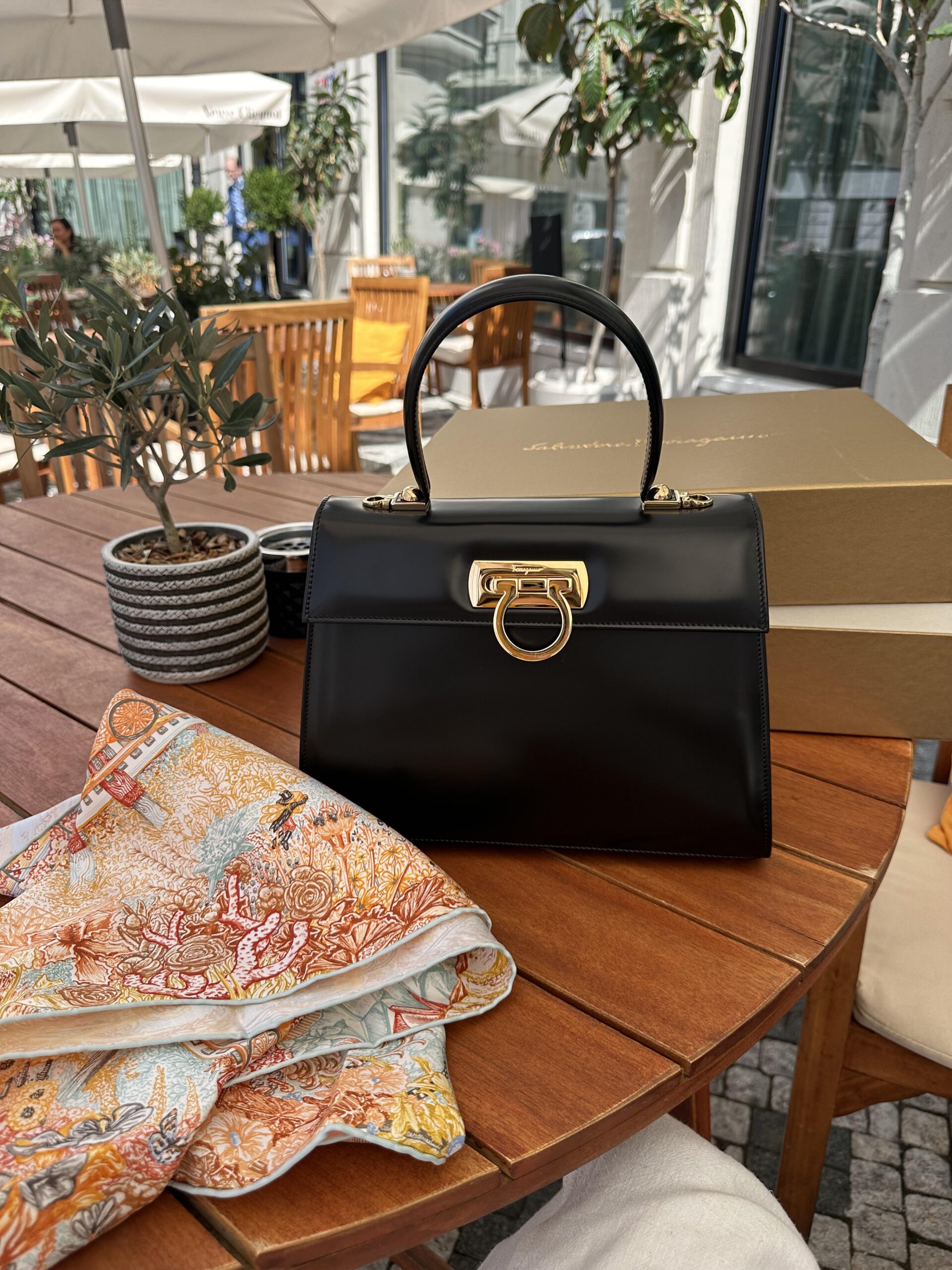
Moreover, iconic top-handle bags are constructed in the house’s Scandicci workshop outside Florence. Ferragamo uses leathers including polished calf, stamped grain, and exotic skins.
These leathers in their Studio and Trifolio bags are often finished with the brand’s proprietary resin coating for weather resistance. The iconic Gancini clasp, a symbol of linking generation, is precision-cast in brass and gold-plated, with each mechanism assembled by hand.
Moynat
THE REVIVAL OF A PARISIAN LEGEND
Founded in 1849 and revived in 2011 under LVMH, Moynat is one of the oldest Parisian trunk makers.
Each piece uses heritage box calf leather and goatskin lining from France and takes over 20 hours to complete, using a rare structured heat-setting technique. Artisans place the leather over wooden moulds and apply controlled heat to “train” the fibres into a permanent shape. Because they produce in such small batches, Moynat offers a level of “insider” exclusivity that rivals Hermès.
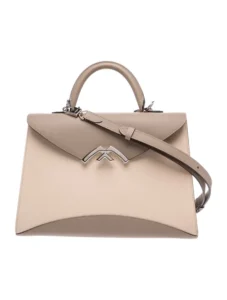
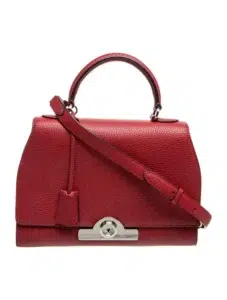
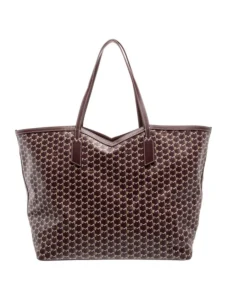
Notably, the house is a specialist in “curved” luxury. For instance, their Réjane bag, named after Belle Époque actress Gabrielle Réjane, was the first handbag ever named after a woman. The bag features a subtle curve that pays homage to the trunks they once designed to fit the contours of early automobiles.
Loro Piana
Tactile Luxury Bags
Loro Piana is the world’s foremost authority on rare fibres via a meticulously controlled supply chain. The house pioneered the sourcing of baby cashmere and secured exclusive, ethical access to Andean vicuña, the rarest natural fibre in the world. The luxury brand applies this expertise directly to its bags through a quiet luxury philosophy.
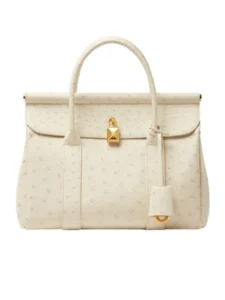
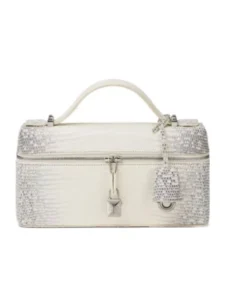
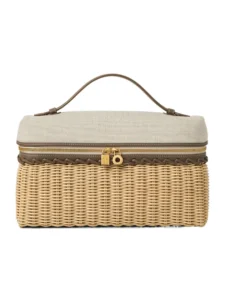
Precious materials such as cashmere, Pecora Nera® wool, and linen are paired with high-grade leathers in structured, timeless forms. Woven designs, including wicker styles, combine hand-crafted textures with supple leather finishes.
The Loom bag reflects this heritage, engineered to echo over a century of textile savoir-faire. Notably, while most brands line bags with canvas or microfibres, Loro Piana often uses baby cashmere or silk-blends.
Moreover, Loro Piana utilises saddle stitching to ensure flexibility in their buttery calfskin bags. By sourcing leather from certified European farms with minimal environmental impact, they maintain a “farm-to-closet” traceability that appeals to the modern, discerning collector within the top 50 luxury bag brands.
Valentino Garavani
Valentino Garavani represents the accessories line of the Valentino house. They represent the perfect marriage of Italian tradition and contemporary “street” appeal. The brand’s handbag production remains rooted in Italy, focusing on high-grade calfskin and lambskin that is exceptionally supple.
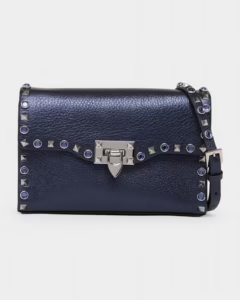
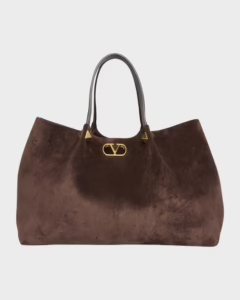
The brand’s signature Rockstud elements, the pyramid studs inspired by the bugnatos (rock-faced masonry) of Rome’s palazzo-style buildings, are not simply glued on. Artisans must individually rivet each stud through the leather to ensure they never fall off. This requires precise paneling and tension control during construction. Moreover, these studs are often platinum-finished or plated in gold for high-end durability.
As a result, Valentino bags offer a durable, edgy aesthetic that remains a powerhouse in the global luxury market.
Dolce and Gabbana
The Soul of Sicilian Craftsmanship
Dolce and Gabbana’s handbags, specifically the Sicily and the Devotion, rely on rigorous Italian leather-working traditions. Artisans in the brand’s specialised workshops utilise laser-cutting technology for intricate lace-like leather patterns, which they then finish by hand to ensure structural integrity.
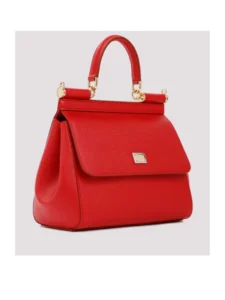
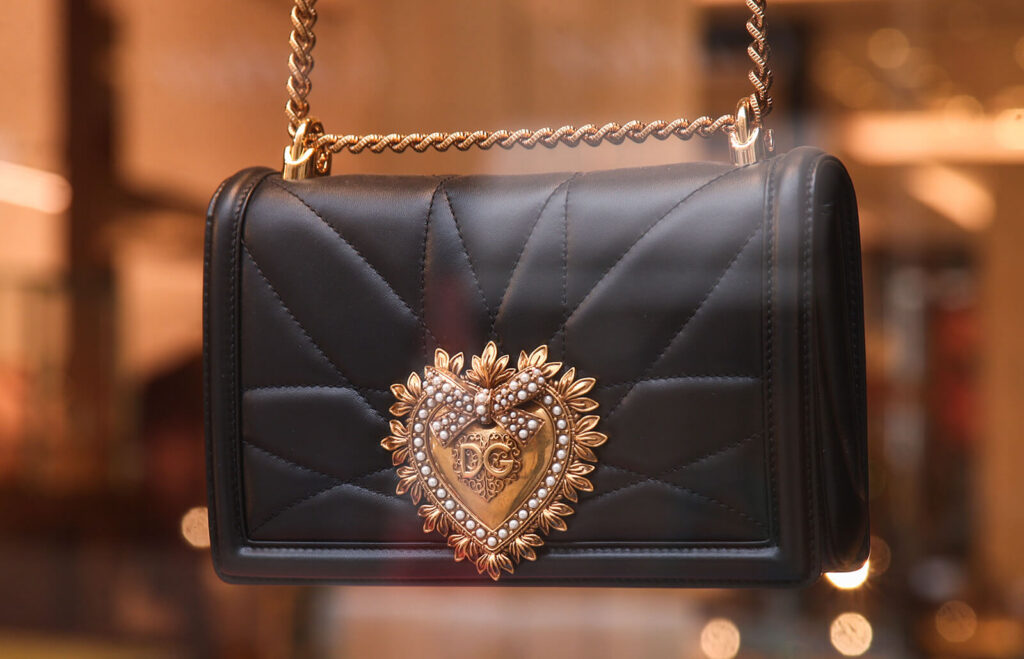
The Devotion bag serves as a prime example of their technical prowess. It features a “Sacro Cuore” (Sacred Heart) clasp, hand-cast by Florentine goldsmiths using the lost-wax casting technique. This process creates a level of detail in the metalwork that mass-production simply cannot replicate.
Furthermore, the house sources premium Dauphine calfskin, a leather printed with a subtle grain that provides both scratch resistance and a luminous sheen. Consequently, these pieces are not just fashion statements; they are homages to the “Fatto a Mano” (Handmade) movement.
Fendi
Roman Mastery and the Selleria Legacy
Founded in Rome in 1925 as a fur and leather atelier, Fendi has built a distinct identity grounded in Roman craftsmanship. Silvia Venturini Fendi designed the brand’s signature Baguette, triggering the brand’s breakthrough.
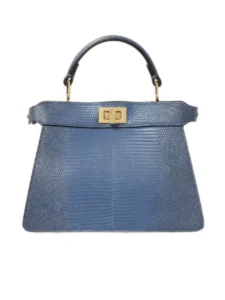
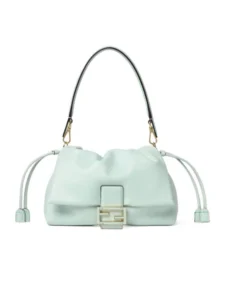
Perfectly timed for the late-1990s shift toward individuality, the Baguette’s compact, under-the-arm silhouette and constant reinvention in materials and embellishments made it highly collectible. Alongside it, the Fendi Peekaboo offers a more architectural, quietly refined alternative with understated elegance.
THE SELLERIA HAND-STITCHED PEEKABOO AND BAGUETTE
The foundation of Fendi’s leather goods expertise lies in its Selleria line, inspired by Rome’s historic saddlers. Selleria refers to a specialised hand-stitching process using Punto Selleria (saddle stitches) that are noticeably larger and more textured than machine stitches.
Fendi factory artisans use Cuoio Romano, a naturally tumbled, grainy calfskin sourced from tanneries in the Lazio region. The leather is tumbled to enhance softness while preserving strength for incredible durability.
Artisans hand-sew each Selleria Peekaboo or Baguette bag with thick linen thread, often requiring over 1,000 individual stitches. This thereby creates a tactile, durable finish that machines cannot replicate. Because of this labour-intensive process, Selleria pieces are produced in significantly lower quantities than the mainline collections.
Additionally, the design extends beyond calfskin into embroidered textiles and exotic skins, including python, crocodile, and stingray.
ICONIC DESIGNER MAISONS
Section II: Quiet High Luxury Bag Makers
These maisons operate at the highest level of leather craftsmanship, often producing in limited quantities within small, specialised ateliers. With a focus on handwork, rare materials, and understated design, they appeal to those who value discretion, provenance, and true artisanal excellence.
These houses represent the “if you know, you know” segment of the top 50 luxury bag brands. The quality of the hide and the precision of the stitch of these luxury bags speak louder than any branding.
Au Depart Paris 1834
THE ARCHITECT OF TRAVEL AND DISCREET TRUNK-MAKING PRESTIGE
Since its inception in 1834, Au Départ Paris stands among the great Parisian trunk makers, alongside Louis Vuitton, Goyard, and Moynat. During the golden age of rail and ocean liner travel, the house equipped French aristocracy and discerning travellers with bespoke trunks, travel cases, and vanity pieces. Its clientele favoured discretion over display, valuing craftsmanship and material integrity.
Today, the brand preserves this legacy through a strict heritage-first production model. Each piece is conceived and crafted in France, often by a single artisan, reflecting a rare continuity of 19th-century savoir-faire.
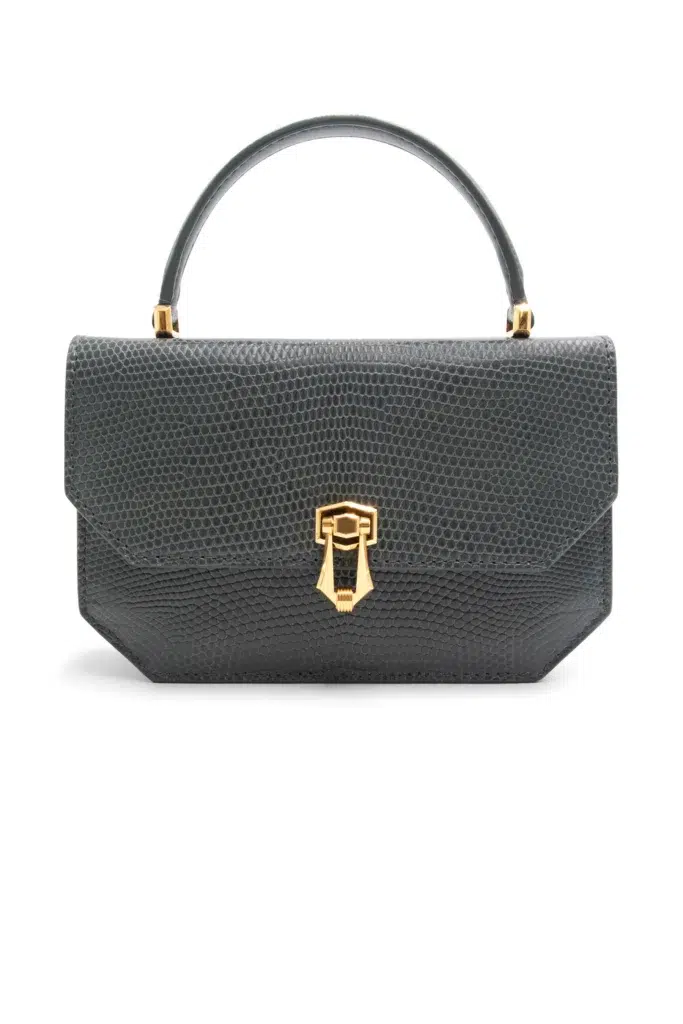
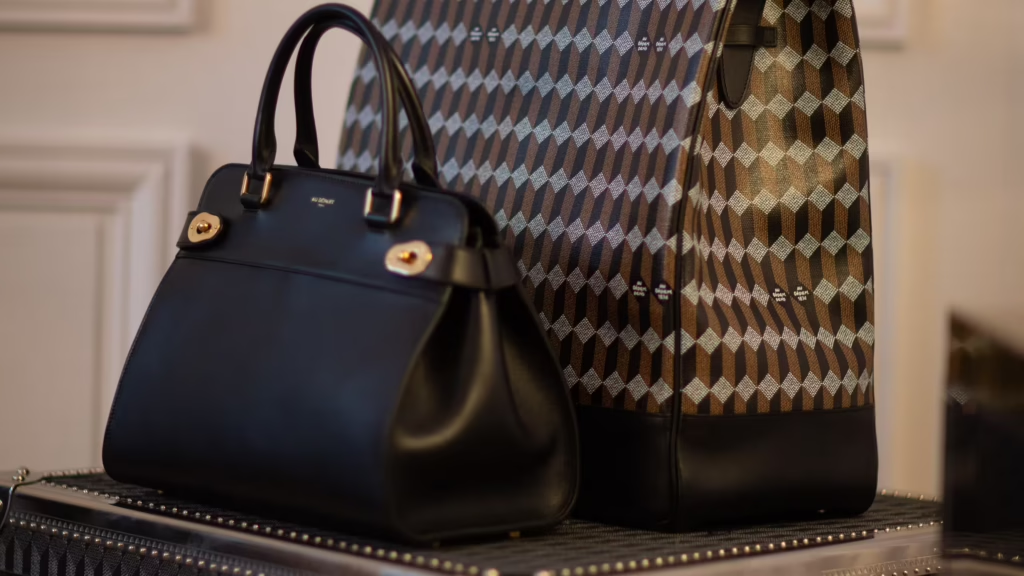
AU DÉPART PARIS CANVAS
At the core of its identity is the hexagon motif, introduced in the early 20th century and subtly referencing the shape of France. This geometric pattern informs the house’s monogrammed canvas, engineered for both durability and visual depth.
Unlike mass-produced alternatives, Au Départ treats its canvas with a proprietary blend of natural oils and resins. This treatment helps to preserve flexibility whilst preventing cracking over time. Moreover, it reflects the brand’s origins in travel, where materials were required to endure constant movement and shifting climates.
Trunks are built using traditional carpentry methods, often with poplar wood frames, before being clad in coated canvas or leather. Full-grain calfskin trims are hand-finished using parfilage. This is a technique whereby leather edges are thinned, folded, and seamlessly integrated for a refined transition between materials.
Au Départ avoids overt advertising, favouring a more private acquisition process through its Paris boutique and select high-end retailers.
Moreau Paris
The Pinnacle of Hand-Stitched Tradition
Tracing its origins to 19th-century trunk-making, Moreau Paris was once the official supplier to Napoleon III. Though today, they continue their trunk-making legacy. Interestingly, Moreau Paris are one of the few remaining luxury leather bag brands that still hand-produce and saddle-stitch their bags for their heritage lines in France, like Hermes and Delvaux.
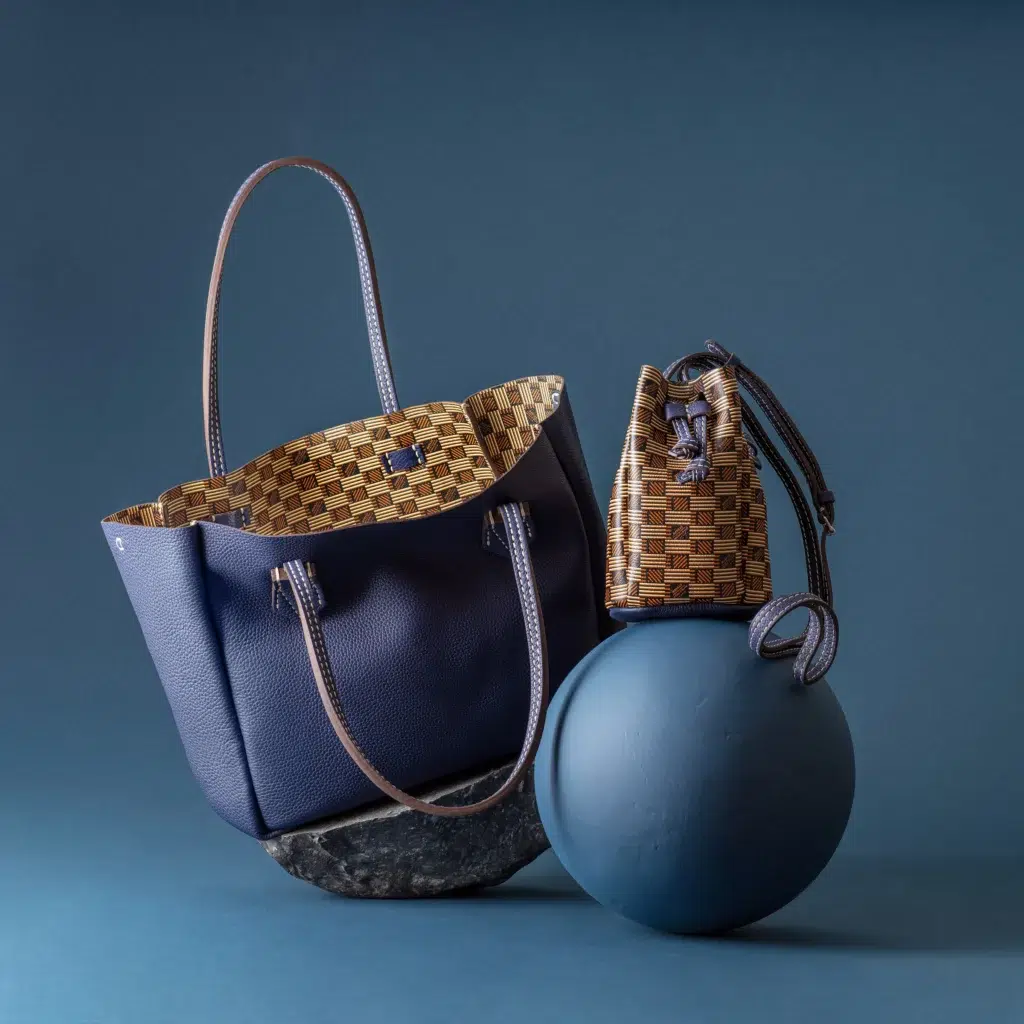
Moreau also utilises a rare Peau de Porc (pigskin) lining for many of its interiors. This material is exceptionally lightweight and breathable, yet it offers a durability that standard calfskin linings cannot match.
Furthermore, their signature “Moreau Print”, reimagining the pattern of 19th-century intertwined wicker trunks, is not just printed. Artisans apply it using a traditional silk-screening process on natural fibres. This means the colours remain vibrant for generations by embedding the print deeply into the material rather than merely sitting on the surface.
Akris
Technical Elegance and Horsehair Mastery
Founded in the 1920s in St. Gallen, Switzerland, Akris brings Swiss precision to the top 50 luxury bag brands.
The house is world-renowned for its use of woven horsehair (crinoline). In 2009 Akris acquired the German handbag specialist Comtesse, who was known for their 80-year history and expertise in weaving horsehair. Once the firm filed for bankruptcy, they granted Akris 100 per cent ownership and exclusive rights to this rare material.
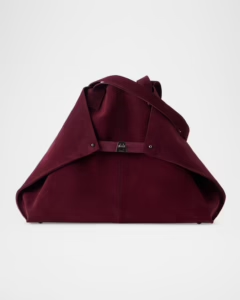
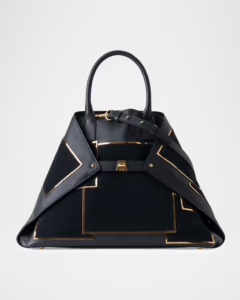
Woven horsehair is difficult to source because it requires specialised hair from the tails of Mongolian horses. The hair is hand-woven by only a few expert artisans using traditional, 19th-century looms that produce only 2.5 metres of fabric per day.
As a result, the material is virtually indestructible, heat-resistant, and possesses a unique structural memory. Therefore, this inherent scarcity, along with the material’s extreme durability and unique sheen, makes Akris bags rare, luxurious, and highly coveted.
Notably, their iconic Ai bag showcases this material through an architectural design that can fold into three distinct shapes. For example, it can transform from a spacious rectangular shopper into a sleek, triangular-shaped tote using internal magnets and precision-engineered toggles rather than bulky hardware.
Bao Bao Issey Miyake
FROM ENGINEERING TO ART
Bao Bao Issey Miyake bags from Japan are luxury accessories featuring a flexible, triangular tessellation on mesh. Issey Miyake launched the brand in 2000 initially as “Bilbao” and designed the bags before becoming an independent brand in 2010.
They are considered luxury due to their unique, high-tech engineering, lightweight durability, origami-like versatility, and scarcity.
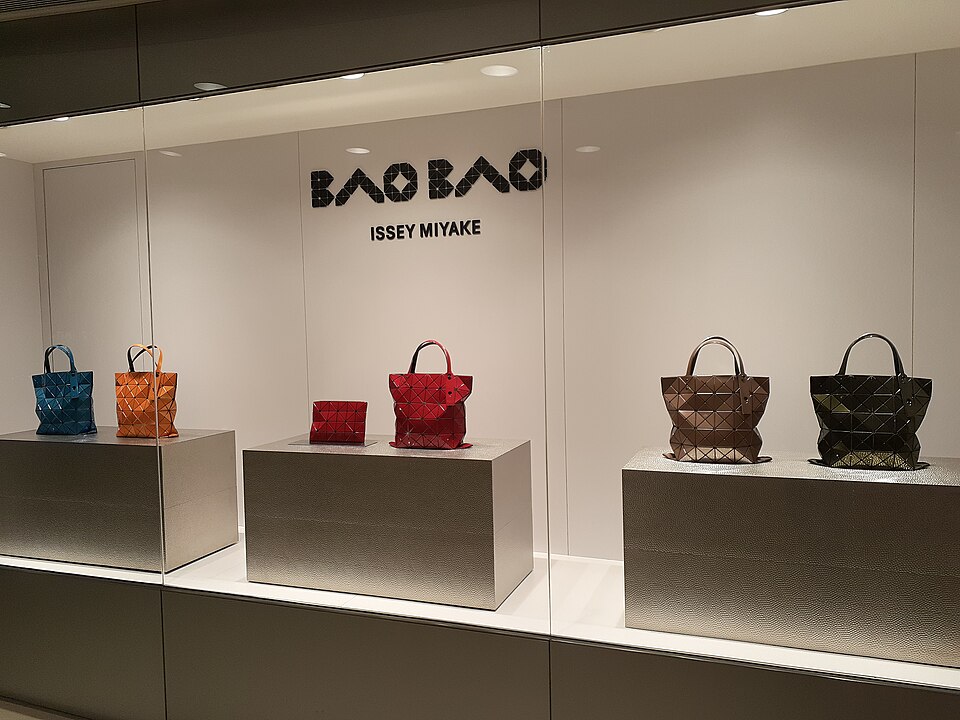
Their production involves high-precision injection-moulding. Artisans apply polycarbonate geometric triangles onto a high-performance fabric mesh using a specialised heat-bonding process.
This transforms the flat, 2D plane into functional, 3D artistic shapes, thereby creating a “wearable sculpture” accessory that shifts and changes shape based on the items placed inside it. Because the triangles are arranged with microscopic accuracy, the bag can fold perfectly flat for travel.
This represents a subtle nod to Issey Miyake’s “A-POC” (A Piece of Cloth) philosophy. This is based on the notion that simple and diverse clothing and accessories can originate from a single piece of material once it interacts with the human body.
HAUTE MAROQUINERIE
Section III: Ultra-Rare & Bespoke Luxury Leather Houses
At the highest echelon of luxury, these maisons and independent ateliers specialise in bespoke or ultra-limited production. They represent the most expensive handbag brands in the world, catering to a clientele that views leather goods as fine art.
Often handcrafted by a single artisan from start to finish, these pieces prioritise rarity, precision, and material excellence. For example, they may employ traditional hand-saddle stitching or the use of custom-developed exotic skins.
Peter Nitz
THE SINGLE-ARTISAN STANDARD
Peter Nitz operates a workshop based in Switzerland that is the antithesis of the modern luxury factory. As a master of haute maroquinerie within the top 50 luxury bag brands, he entrusts each piece to a single artisan who constructs the bag from the initial cut to the final stitch.
Furthermore, Nitz sources his leathers from elite tanneries like Tanneries Haas and Weinheimer Leder. These are the same suppliers trusted by Hermès for their top-tier Box Calf and Baranil leathers.
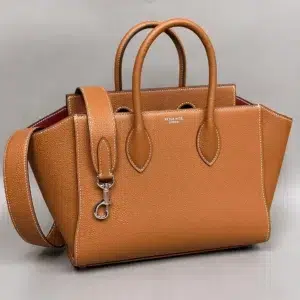
What distinguishes Nitz further is his uncompromising “zero machine” philosophy. Each stitch hole is pricked entirely by hand using a traditional iron and hammer. This allows for exact spacing, tension, and alignment, serving as subtleties that materially enhance both strength and longevity.
This level of control extends seamlessly into his finishing techniques. Artisans apply up to 15 ultra-thin layers of organic paint, hand-sanding and buffing each stage with beeswax to achieve a glass-smooth edge. Because the structure beneath is entirely hand-formed, the paint adheres more naturally, reducing the risk of cracking or separation over time.
Beyond technique, Nitz’s work is characterised by proportion and restraint. Designs are intentionally minimal, allowing the quality of the leather and execution to take precedence over overt branding. Production remains extremely limited, often bespoke, with clients able to specify materials, dimensions, and finishing details.
Atelier Renard
THE SPIRIT OF BESPOKE TRAVEL
Atelier Renard is located on the Rue de Beaune in Paris, where it continues its legacy of custom French trunk-making. Unlike brands that offer “made-to-order” services involving clients selecting colours for an existing model, Renard offers true bespoke services. Specifically, each bag is designed from scratch to meet a client’s specific needs.
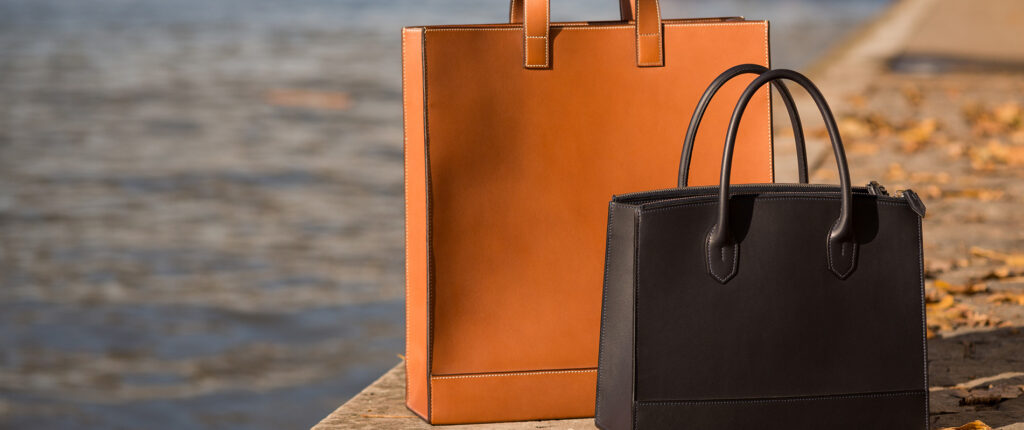
The atelier utilises rigid internal frameworks made from lightweight, durable woods like poplar or Okoumé, and reinforced with modern technical materials. This helps to ensure structural integrity, waterproofing, and protection of delicate items. Renard chooses to maintain this technique adapted from 19th-century travel cases in their labour-intensive approach for its unmatched longevity, heritage authenticity, and bespoke quality.
Renard is particularly famous for their use of Box Calf. This particular leather is “chrome-tanned” and then polished with a glass cylinder to create a high-gloss, firm finish. Because every piece is a one-of-one commission, Atelier Renard produces fewer than a hundred bags per year. This ensures a level of rarity that mass-market brands simply cannot offer.
Rubeus Milano
Rubeus Milano operates at the extreme end of haute maroquinerie. The brand creates ultra-limited handbags from rare materials, such as Russian reindeer hide recovered from 18th-century shipwrecks. The Ruby clutch and Emerald minaudière incorporate responsibly sourced gemstones, hand-set by Florentine jewellers.
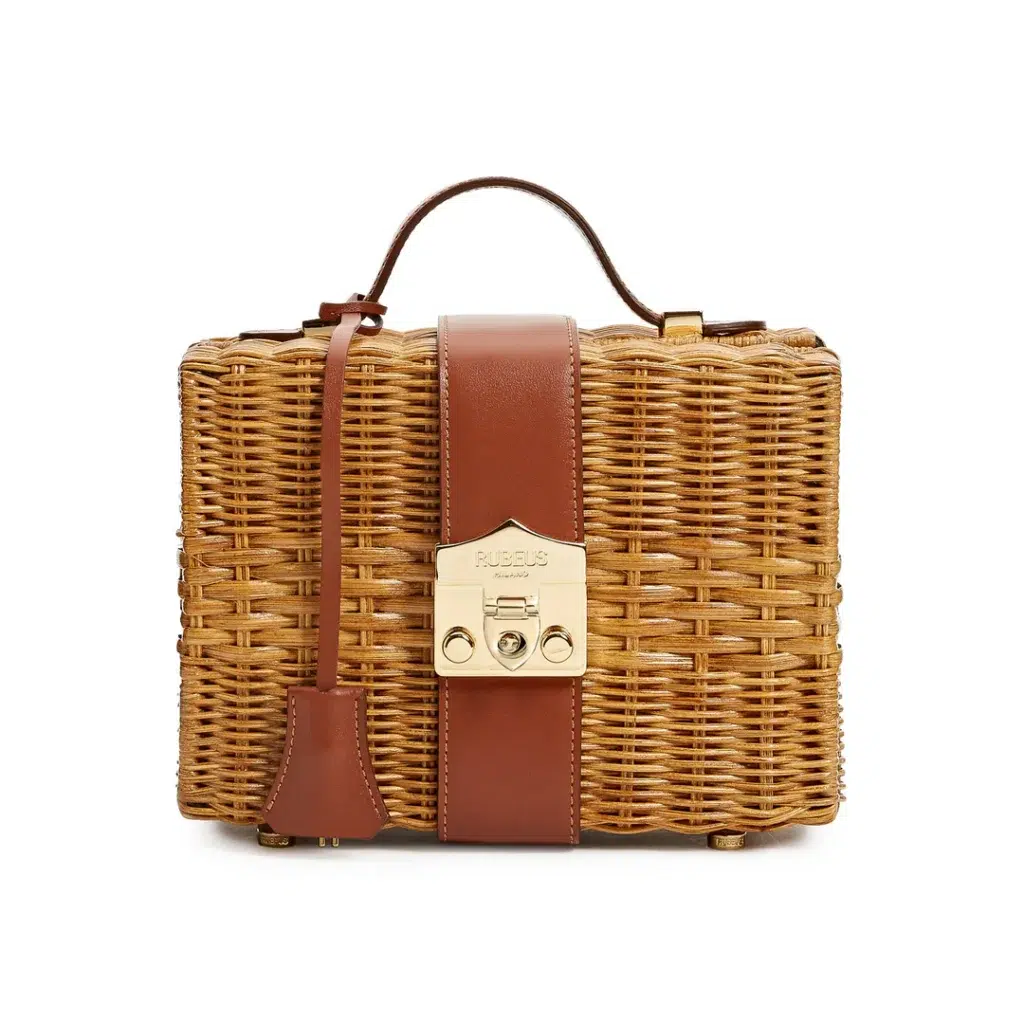
All bags are handmade in Milan by artisans with backgrounds in high jewelry, and hardware is often sculpted in 18k gold. Rubeus pieces are produced in editions of fewer than ten and come with origin certification and private client consultation.
Asprey London
240 Years of Royal Excellence
Since 1781, Asprey London has defined British luxury from its historic New Bond Street headquarters. Originally established as a silk-printing and luxury goods emporium, the house evolved into a supplier of fine leather goods, jewellery, silverware, and bespoke objects for Britain’s elite.
Over time, it became synonymous with ceremonial gifting and state occasions, earning multiple Royal Warrants.
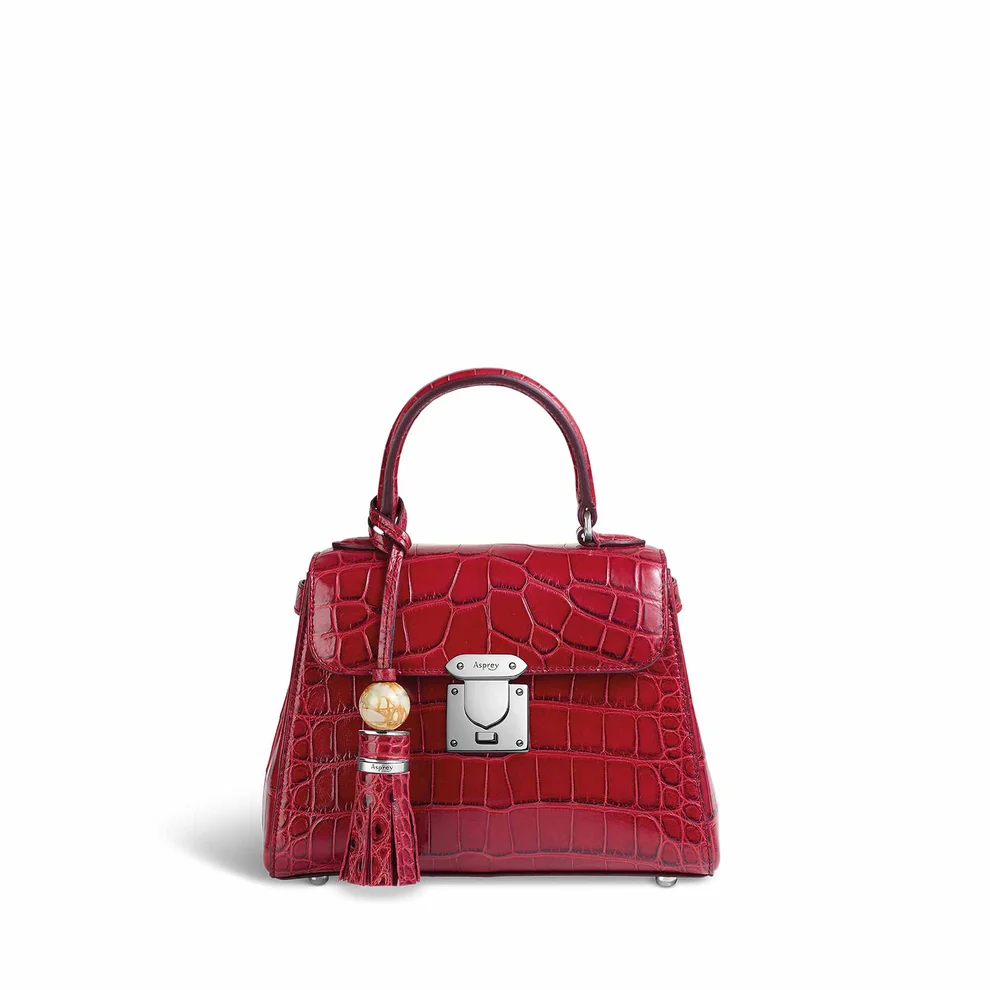
Asprey is a master of exotic skin glazing. While many brands use chemical sprays for shine, Asprey’s artisans use a natural agate stone to buff alligator and crocodile skins to a “Himalayan” or high-gloss finish.
This mechanical polishing preserves the leather’s breathability whilst enhancing depth and high luminosity. Many of their pieces are created as “one-of-one” commissions for royal families and heads of state.
CONTEMPORARY ICONS
Section IV: Modern Luxury Handbag Brands
This new generation of designers reflects a shift toward refined minimalism and modern proportion.
Whilst relatively young, these houses have already secured their place among the top 50 luxury bag brands through their commitment to “quiet luxury” and structural innovation.
Savette
The New Heirloom Standard
Amy Zurek founded Savette in 2020, centring her brand philosophy on the concept of the “modern heirloom.” Savette produces its bag collections in small, family-run Italian workshops that specialise in high-tension stitching. This ensures every Symmetry or Tondo bag retains its crisp, geometric form even after years of daily use.
Insiders value Savette for its unique leather sourcing. The house utilises environmentally certified skins that artisans hand-dye using tannins derived from chestnut wood.
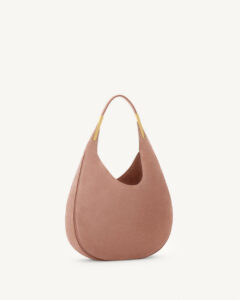
Standard calfskin and suede styles range from $1,020 to $2,450. Meanwhile, while exotic materials like eel, lizard, and genuine crocodile span $2,590 to $13,000, undercutting heritage houses where exotics easily exceed $30,000.
Furthermore, the signature oval lock hardware is sand-cast in solid brass and hand-polished to a soft glow. Because the brand employs invisible stitching and lush suede linings, these pieces offer a tactile richness that rivals heritage houses twice their age.
The Row
Restrained Decadence Mastery
Mary-Kate and Ashley Olsen founded The Row in 2006 with a mission to create the perfect “uniform.” Their handbags, such as the Margaux and the Half Moon, are now quintessential pillars of the top 50 luxury bag brands. Artisans in Italy select only the finest full-grain calfskin, prized for its natural pebbling and immense tensile strength.
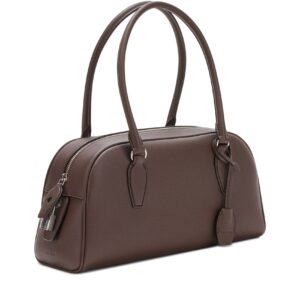
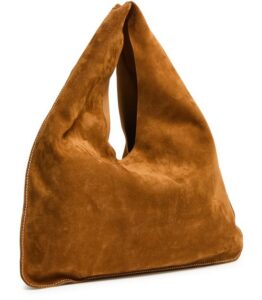
A key secret to The Row’s quality is the “resting period” during assembly. Many designs undergo 48-hour resting periods between construction stages. This allows the leather fibres to settle and adapt to the bag’s shape, preventing sagging and ensuring a perfect drape over time.
By insisting on natural vegetable dyes and hand-stitched handles, the brand maintains a finish that is both restrained and quietly opulent.
Khaite
THE ARCHITECTURE OF ELEGANT LUXURY BAGS
Since its 2016 debut, Khaite has redefined New York fashion by introducing a “darker,” more sensual, and intellectually charged form of American sportswear known as “understated drama“. This style is defined as a “slow burn” of quiet luxury that prioritises high-quality, wearable foundations.
Examples include structured tailoring and cashmere, infused with unexpected textures, dramatic proportions, and a hint of gothic romance, in contrast to traditional, colourful American sportswear.
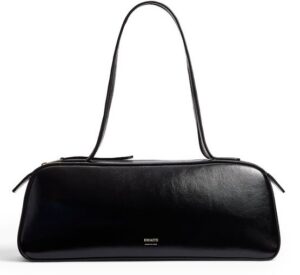

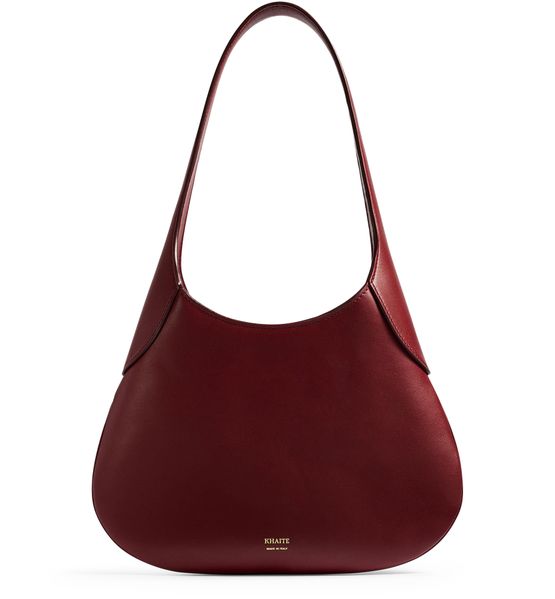
Khaite’s Olivia and Lotus bags demonstrate a unique “sculptural draping” technique. Unlike traditional bags that rely on stiff cardboard inserts, Khaite uses custom internal moulds. These inserts support the leather’s shape whilst allowing it to remain soft to the touch.
Additionally, the luxury brand tans its calfskin in small batches to achieve a “velvety resilience.” Its hardware is often recessed or hidden, crafted from hand-brushed aluminium or matte-lacquered brass. This specific finish resists fingerprints and scratches, catering to a clientele that values functional longevity.
Métier London
THE ENGINEERING OF LUXURY
Melissa Morris founded Métier London in 2017. She introduced a distinctly considered approach to luxury rooted in function as much as form. Each bag is engineered to anticipate the practical rhythms of everyday life without compromising elegance.
Signature styles such as the Métier Roma and Métier Private Eye are handcrafted in Naples using ultra-lightweight Italian nappa leather, buffalo leather, or scuff-resistant thin suede. These are specifically selected to reduce physical burden amid travelling whilst maintaining structure. Furthermore, magnetic compartments intuitively guide placement, creating a sense of order that feels almost instinctive over time.
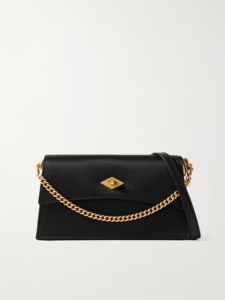
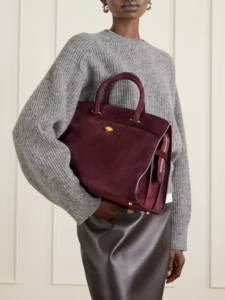
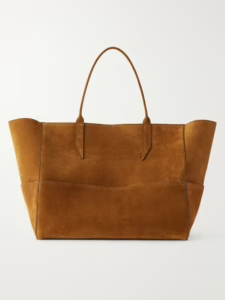
Moreover, this technical precision extends to materials. Métier applies proprietary treatments to its leathers. These enhance depth of colour whilst improving resistance to moisture and surface wear.
Interiors are lined with Alcantara, a durable, suede-like material. Interestingly, the fabric is more commonly associated with luxury automotive design, valued for its resilience and tactile softness. Subtle artisanal cues, such as hand-braided elements and hand-painted edges, showcase quiet signals of craftsmanship that resonate with a discerning eye.
Mulberry
Heritage with a Contemporary Edge
Founded in 1971, Mulberry has become a defining voice in British leather craftsmanship. The brand offers a more contemporary counterpoint to the older Parisian houses.
Rooted in Somerset with production centred at its Rookery and Willows factories, the brand sustains a rare balance between tradition and modernity. Its signature Heavy Grain leather exemplifies this approach: robust yet supple, and designed to develop a rich patina over time that reflects the life of its owner.
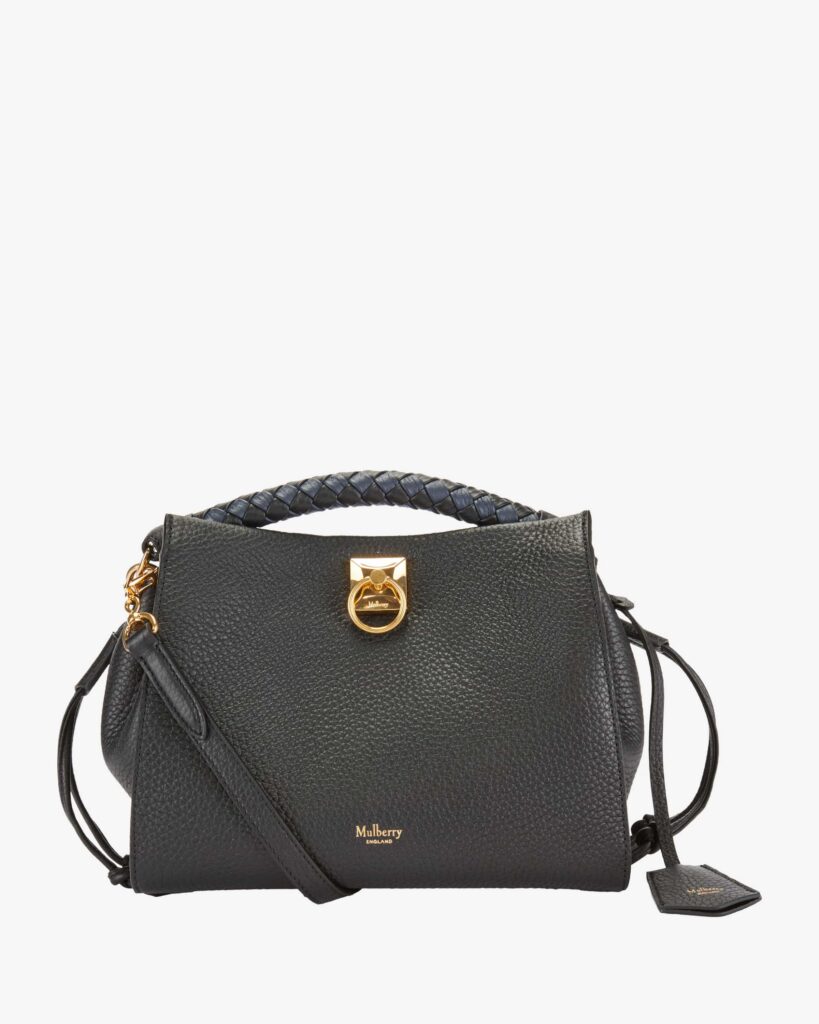
Mulberry also occupies a leading position in the evolution of sustainable luxury. Initiatives such as The Mulberry Exchange reflect a commitment to circularity, encouraging repair, resale, and longevity.
The house’s craftsmanship combines traditional saddlery techniques, including hand-stitching and edge-finishing, with modern innovations like precision laser-cutting, ensuring both consistency and character. Iconic designs such as the Mulberry Bayswater and Mulberry Alexa embody this duality, reinforcing Mulberry’s role as a custodian of British craft within the contemporary luxury landscape.
OWNING THEIR CRAFT
Section V: Niche Heritage & Leather Specialists
These houses represent a distinct lineage within the world of luxury accessories. Rather than chasing trends, they prioritise permanence and material behavior.
Each piece reflects a deep understanding of vegetable-tanned hides and hand-finished patinas, positioning them as some of the most expensive handbag brands for true connoisseurs.
Berluti
The Art of the Patina
Founded in 1895, Berluti occupies a rare position within global luxury: one shaped not by volume, but by mastery of leather transformation. Originally a revered men’s bootmaker, the house built its reputation on a distinctly Parisian blend of artistry and technique before expanding into leather goods. This heritage informs its bags today.
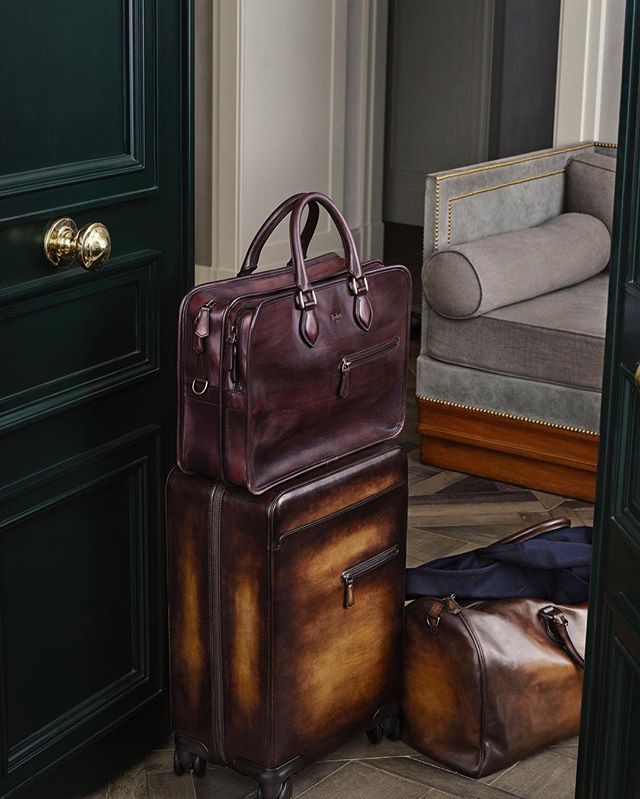
Central to this identity is Venezia leather, a supple calfskin developed exclusively for Berluti to undergo its signature patina process. Artisans apply successive layers of pigment entirely by hand, allowing colour to build organically rather than sit on the surface.
This is followed by a controlled fire-polishing technique, which melts and fixes the pigments to create a luminous, almost glass-like sheen. No two pieces can be replicated, as each patina evolves through the artisan’s hand.
Mark Cross
An American Icon in Italy
Established in 1845, Mark Cross is America’s oldest luxury leather house. While its roots are in Bostonian saddlery, the brand gained global fame when Grace Kelly carried the “Grace Box” in Alfred Hitchcock’s Rear Window. Today, the brand combines its American heritage with Italian production, using full-grain leathers and vibrant faille linings.
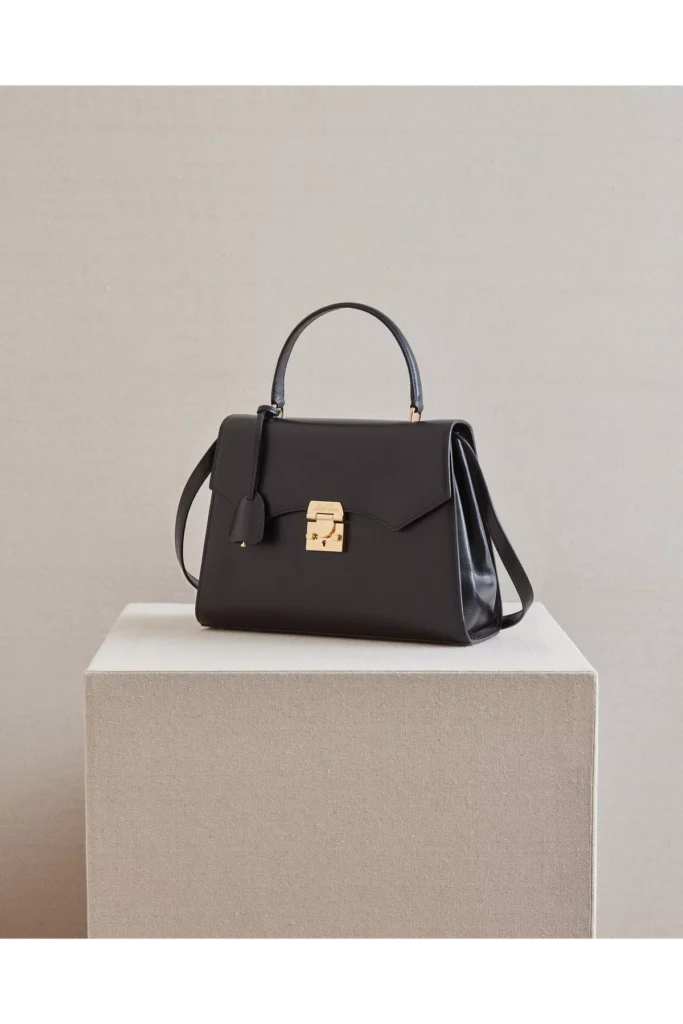
The construction of a Mark Cross bag involves a structured brass frame that is hand-assembled by master technicians. This rigid framework allows the bag to maintain its “jewelry box” silhouette indefinitely.
Furthermore, the brand has committed to the Leather Working Group (LWG) standards, sourcing only from tanneries that meet the highest environmental benchmarks.
Ghurka
THE DISCIPLINE OF UTILITY
Ghurka bags draw their identity from the resilience and discipline of the Himalayan soldiers from which it takes its name. Founded in the 1970s, the brand channels this spirit into leather goods defined by durability and restraint. Its aesthetic is deliberate. Hardware is minimal. Construction is purposeful. The focus remains on longevity rather than seasonal appeal.
The house works primarily with vegetable-tanned leathers. They are selected for their density and ability to develop a rich, evolving patina over time. Bags such as the Ghurka Cavalier and Ghurka No. 5 Satchel are reinforced at each stress point, with hand-finished edges designed to withstand decades of travel.
Fontana Milano 1915
MILANESE LUXURY BAGS
Operating quietly from a single atelier in Milan’s Porta Romana district, Fontana Milano 1915 represents a more discreet echelon of Italian luxury.
This third-generation family house has built its reputation without advertising, relying instead on a loyal, highly informed clientele. Its position within the top luxury tier is therefore less visible, yet deeply respected among industry insiders.
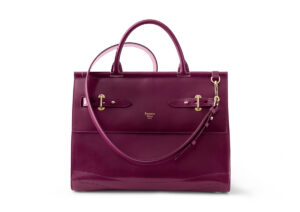
Each bag is handcrafted entirely in-house, allowing for complete control over proportion and finish. The house is known for its soft-structured aesthetic whereby leather appears relaxed, yet is supported by an internal architecture that preserves form.
Production remains intentionally limited and strictly local. As a result, ownership signals not status, but discernment, among an appreciation for craftsmanship that exists beyond overt branding.
Launer London
THE ROYAL ARCHETYPE
Established in 1941, Launer London has become synonymous with formal British elegance, reinforced by its Royal Warrant and longstanding association with Queen Elizabeth II.
The house refined the structured top-handle silhouette into a signature, creating bags that convey both authority and restraint. Designs such as the Launer Traviata and Launer Judi remain enduring references.
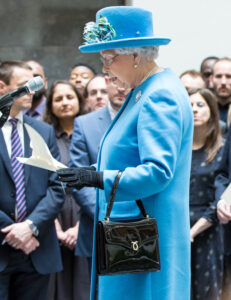
Craftsmanship centres on precision and consistency. A specific grade of firm calfskin is selected and treated to retain its architectural shape, even when unfilled.
Frames are engineered to deliver a clean, definitive closure. This is marked by the house’s distinctive “click,” a subtle but telling indicator of quality. With bespoke options spanning leather, colour, and lining, Launer continues to offer a refined expression of heritage luxury that is measured, composed, and enduring.
HANDCRAFTED EXCELLENCE
Section VI: Artisanal Handbag Brands & Quiet Luxury Bag Makers
These maisons operate at the highest level of leather craftsmanship, often producing in limited quantities within small ateliers.
With a focus on handwork, rare materials, and understated design, they appeal to those who value discretion, provenance, and true artisanal excellence.
Valextra
The Engineer of Milanese Minimalism
Founded in 1937 by Giovanni Fontana, a former engineer, Valextra is known as the architectural soul of the top 50 luxury bag brands. This reputation arose as the brand’s approach to handbag design approach mirrors the same structural engineering, precise construction, and functionality as modern Milanese architecture.
Today, Valextra is celebrated for its minimalist aesthetic, featuring clean-lined, structured silhouettes. For instance, the iconic 24-hour briefcase (1954) strips away ornamentation in favour of superior-crafted geometry and function.
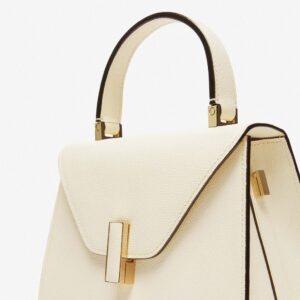
Specifically, the maison is famous for “mono-crafting”. This process is a production philosophy that rejects assembly lines; one master craftsman is responsible for the entire lifecycle of the piece, such as the the Iside or Brera. This allows for microscopic consistency in tension and alignment.
Valextra utilises a signature “Costa” lacquered piping on its edges, which artisans apply by hand in multiple layers to create a distinct black contrast. Uniquely, the house leaves its interiors unlined to showcase the flawless quality of the leather’s reverse side.
Each bag also contains a unique gold-stamped serial code, identifying the specific artisan and the year of production for ultimate provenance.
Brunello Cucinelli
Material Purity and Natural Drape
Founded in 1978 in Solomeo, Italy, Brunello Cucinelli built its reputation on elevating cashmere through an ethos the founder describes as humanistic capitalism. This philosophy is centred on craftsmanship, dignity of labour, and material excellence.
The house became synonymous with ultra-refined textiles: featherlight cashmere, silk blends, and softly structured tailoring. The design ethos was that fabrics should move with the body rather than constrain it. The same textile-first pursuit of softness, fluidity, and understated elegance translates into the brand’s handbags.
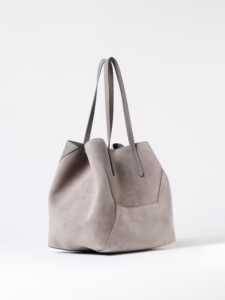
Cucinelli prioritises a natural drape. Leather is selected and treated to behave like a second skin, such as supple, responsive, and fluid rather than rigid. Artisans in Umbria pair fine calfskin with interiors lined in silk or baby cashmere, creating a tactile continuity between exterior and interior.
Hardware remains minimal. Subtle monili bead embroidery is applied by hand, adding quiet luminosity without interrupting the softness. The result is a form of discreet luxury defined by weightlessness, purity, and ease.
Tod’s
Italian Utility and the Di Bag Legacy
Tod’s launched in the early 20th century and later Diego Della Valle shaped the brand into a global luxury house. The brand built its reputation on merging artisanal Italian craftsmanship with everyday functionality.
Originating in the Marche region, the brand first gained international recognition through its Gommino driving shoes engineered for flexibility, grip, and comfort.
This foundation in performance leatherwork informs its handbags. Each design reflects a balance between durability and refinement, where practicality is elevated through material excellence and Florentine-inspired elegance.
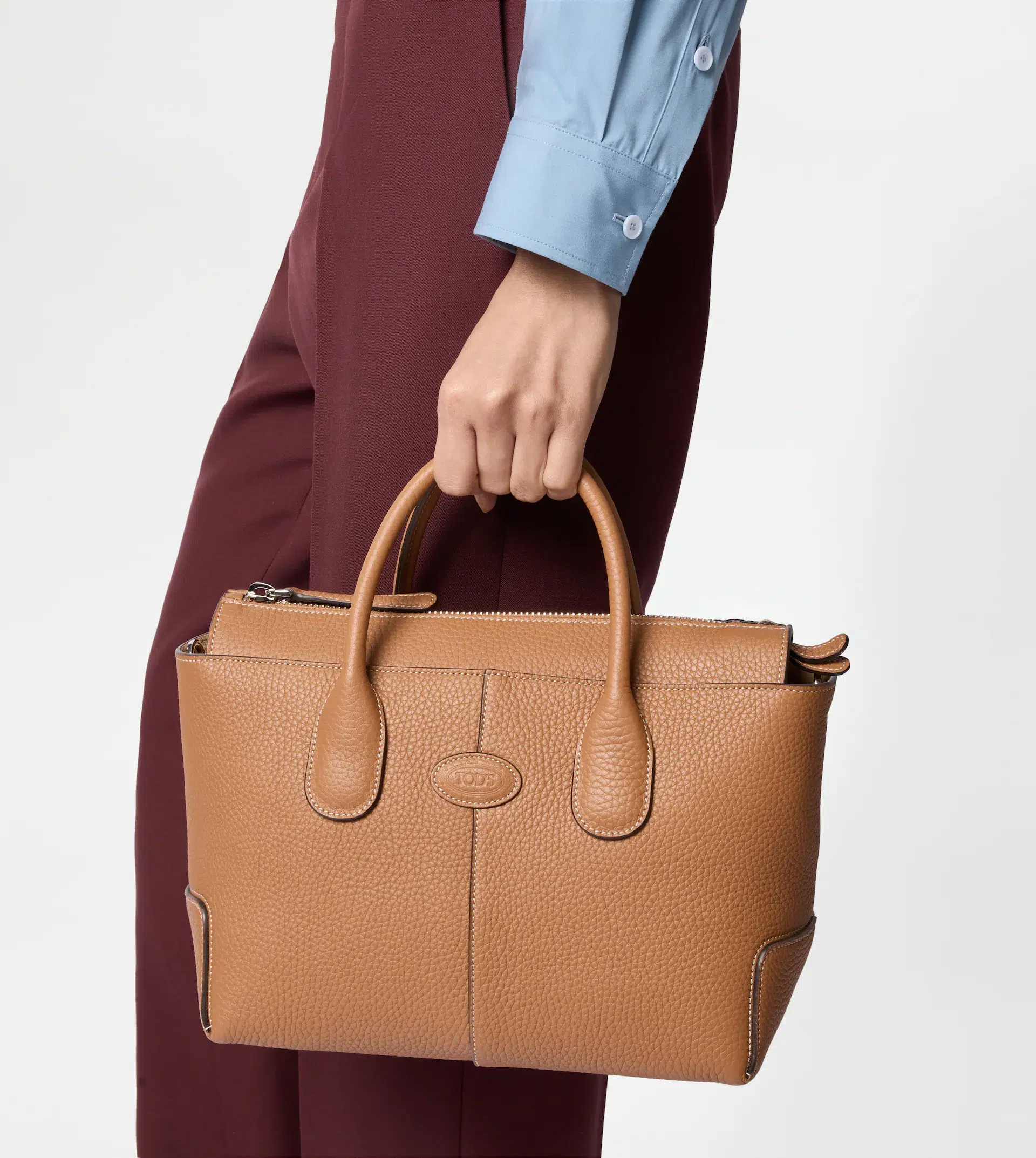
The Tod’s Di Bag exemplifies this philosophy. Favoured by Princess Diana, it set a standard for understated, functional luxury. Construction relies on a demanding centre-seam technique, requiring a single, flawless panel of calfskin.
This approach enhances structural integrity whilst minimising visual interruption. The leather undergoes specialised tanning to achieve water resistance without sacrificing its signature softness. As a result, Tod’s bags embody a refined practicality, making them enduring choices for daily use whilst retaining their place within the upper tier of global luxury.
Serapian
Milanese Weaving Mastery
Stefano Serapian founded Serapian in 1928 in Milan with his wife Gina Flori. Together, the couple elevated the brand to a bespoke staple that was long favoured by Milanese elites.
The house developed a discreet identity rooted in generations of artisans specialising in soft Cachemire leather and custom Mosaico weaving.
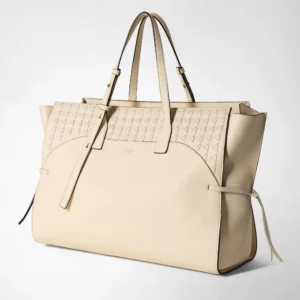
Mosaico is a highly specialised hand-weaving technique. Artisans cut ultra-fine strips of lamb nappa and interlace them using traditional wooden tools, forming a precise, rhythmic pattern. The result is a three-dimensional surface that remains remarkably light and flexible.
Due to its complexity, production is intentionally limited. The house continues to operate its bespoke atelier within Milan’s Villa Mozart. Here, clients commission highly व्यक्तिगत colourways and rare material combinations, reinforcing Serapian’s position as a connoisseur’s brand.
Delage
Art Deco Engineering
Originally founded in 1905 as a pioneering French automobile manufacturer, Delage earned acclaim for its racing engineering and refined design language.
Its modern revival translates this mechanical heritage into leather goods, preserving a distinct automotive sensibility. The transition feels natural. Precision, structure, and performance all remain central.
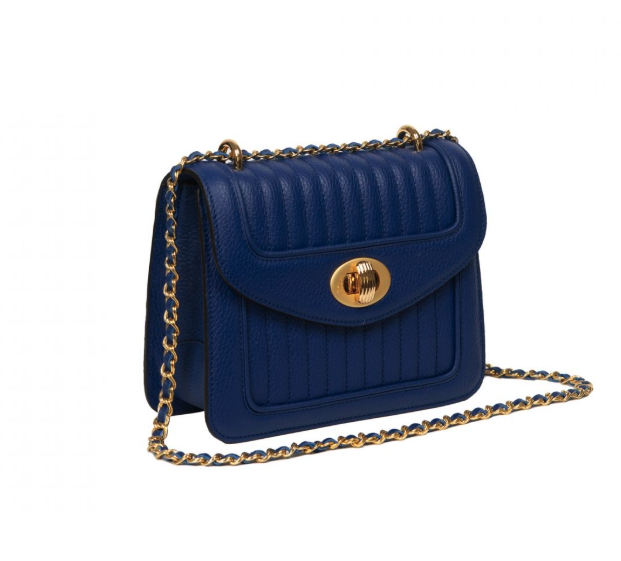
Bags such as the Delage D-One reference the clean geometry of the Art Deco era. Crafted in Limoges using Box Calf from heritage tanneries, each piece balances rigidity with refinement.
Interiors are lined in quilted silk with contrast piping as an homage to 1920s luxury car upholstery. A polished metal “radiator grille” detail anchors the design, offering a subtle yet tactile link to the brand’s engineering past.
Tsatsas
Bauhaus Discipline
Tsatsas is based in Frankfurt, where it was founded by Esther Tsatsas and Dimitrios Tsatsas. The founders’ search for the perfect, high-quality travel bag to suit their frequent work trips inspired their brand launch.
The brand reflects a distinctly German interpretation of luxury shaped by Bauhaus principles. Form follows function. Every line is intentional. Nothing is superfluous. This was achieved by Esther’s and Dimitrios’s combined backgrounds in industrial design and architecture with a deep family tradition of artisanal leatherwork.
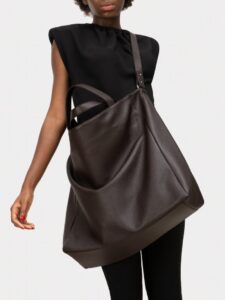
The house sources full-grain calfskin from small European tanneries specialising in chrome-free processes. As a result, leather remains “alive,” developing depth and patina over time.
All production takes place within a single workshop, ensuring consistency of execution. Construction is so precise that traditional hardware is often replaced with leather-on-leather closures, reinforcing both minimalism and technical ingenuity.
Tsuchiya Kaban
The Discipline of Longevity
Founded in 1965, Tsuchiya Kaban founded their brand in 1965 with the creation of randoseru, which are structured school bags designed to endure years of daily use.
Today, the brand has expanded significantly to produce sophisticated leather bags and accessories for adults. Examples include tote bags, shoulder bags, briefcases, wallets, and a high-end business backpack that serves as an adult version of the original randoseru.
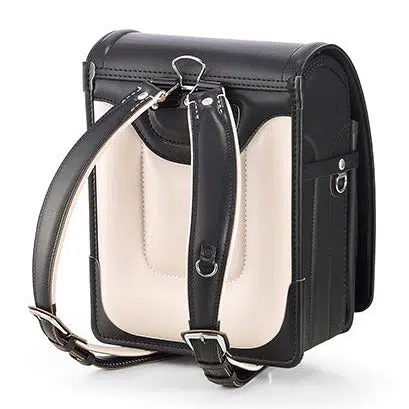
The house uses vegetable-tanned leather from Tochigi Prefecture, one of Japan’s premier tanneries located north of Tokyo. Next, the leather is matured in oak barrels for up to six months to achieve depth and resilience.
Each bag is crafted start-to-finish by a single artisan in Tokyo. They employ double-row stitching and reinforces structural points with copper riveting for structural integrity.
Often, the construction of each bag involves over 150 pieces and 300 steps. This slow luxury approach ensures that each piece is built not for seasons, but for decades.
Nancy Gonzalez
The Exotic Colourist
Based in Cali, Colombia, Nancy Gonzalez redefined the perception of exotic skins within luxury. Traditionally associated with rigidity and conservatism, crocodile and caiman were transformed through her vision into expressive, fluid materials. The brand gained international prominence for its mastery of Caiman fuscus, elevated through bold, saturated dyes rarely seen in this category.

Her atelier developed proprietary finishing techniques that softened exotic skins to an almost textile-like suppleness, enabling the creation of “soft-sided” silhouettes. This challenged longstanding conventions of structure. While current trade limitations restrict new production, existing bags and clutches remain highly sought after in the secondary market. Their value lies in colour, craftsmanship, and rarity.
Kwanpen
EXOTIC PURITY
Founded in 1938, Kwanpen has established itself as a specialist in exotic leather, operating from Singapore with a singular focus on crocodile skins. Its reputation was built quietly, supplying discerning clients who prioritise material excellence over branding. This focus has positioned the house as a leader in Asian haute maroquinerie.
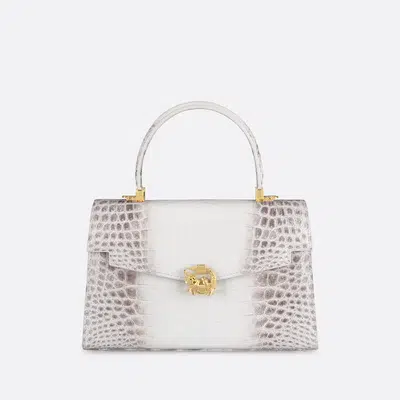
The brand works exclusively with CITES-certified skins, finished using a meticulous carnauba wax polishing process. Artisans apply natural wax and buff the surface with heated agate stones, achieving a deep, glass-like lustre without synthetic coatings.
Many bags are left unlined to reveal the flawless underside of the hide. Meanwhile, 24-karat gold-plated hardware adds a final note of refinement. The result is purity in both material and execution.
Elena Ghisellini
Sculptural Draping
With formative experience at Givenchy and Salvatore Ferragamo, Elena Ghisellini brings a technically informed approach to her Florentine label. Her work centres on structure through movement: an understanding of how leather can be shaped, rather than simply cut.
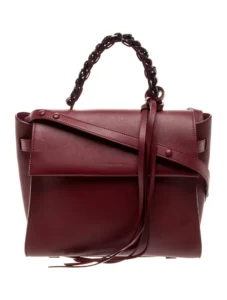
The Felina bag exemplifies this philosophy. Crafted using a fluid-contour technique, leather is hand-draped over three-dimensional forms before assembly. This thereby creates softness with an underlying architectural strength.
Rhodium-coated hardware ensures permanence, resisting tarnish even in challenging climates. The result is a balance of fluidity and control. Her bags can still be sourced on the secondary market.
Benedetta Bruzziches
Hailing from Caprarola, Italy, Benedetta Bruzziches is one of the most theatrical designers in luxury bags today. Her creations, such as the Venus clutch or Carmen crystal bag, resemble wearable sculptures.
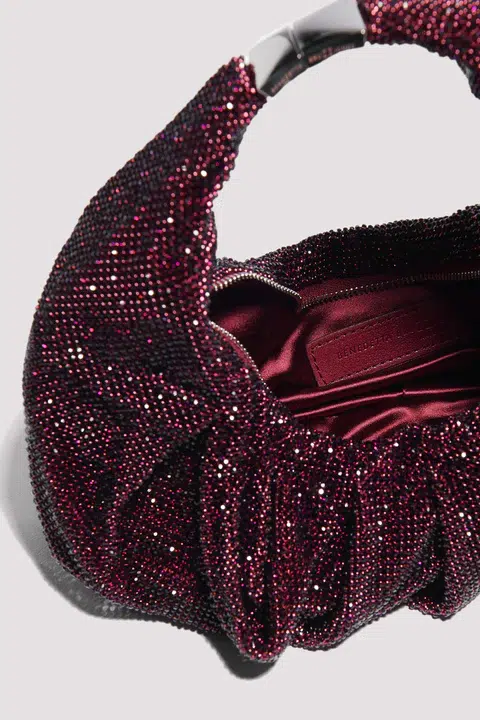
Each bag is handmade in her Italian atelier by local artisans and often incorporates Murano glass, hand-cut crystals, or sculpted metal forms.
The frame structures are molded by a local blacksmith and draped in silk, chainmail, or velvet. Each limited-edition design is numbered and boxed with a handwritten certificate.
Perrin Paris
is a luxury leather goods house founded in France in 1893. Originally a master glove maker for high fashion, the family-owned brand now makes high-end handbags.
Their style is special because it mixes old craft skills with modern art. Their refined tone comes from clean, quiet luxury designs, without loud logos, and clever nods to their glove roots.


Leave A Comment